British Jewish leaders condemn Labour's new policy as a 'frightening and callous greeting'
Jewish community leaders in the UK have reacted with anger to a Labour Party policy announcement made just days before Rosh Hashanah, calling it a 'frightening and callous greeting' for Jews in the country.
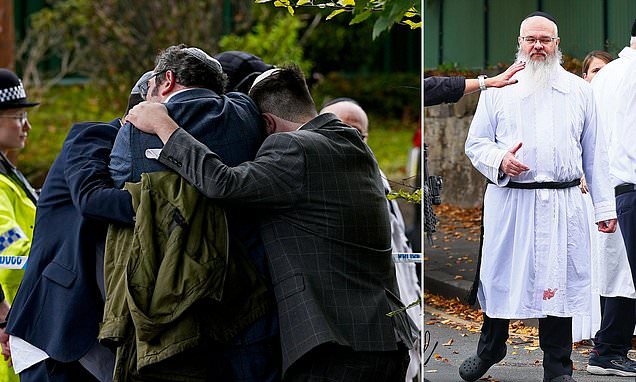
Jewish community leaders in Britain have reacted with fury to a Labour Party policy announcement that they describe as a 'frightening and callous greeting' for Jews in the UK, particularly as it was unveiled just days before the Jewish New Year, Rosh Hashanah. The timing and substance of the policy have sparked accusations that the party is disregarding the concerns of Jewish citizens at a moment of heightened communal sensitivity.
The policy, which has not been detailed in full, was met with immediate condemnation from representatives of British Jewry. Community figures expressed dismay that Labour chose to make the announcement during the period leading up to the High Holy Days, a time when Jewish families across the country are preparing for reflection and prayer. Critics argue that the move signals a lack of respect for the community's religious calendar and its members' sense of security.
The phrase 'frightening and callous greeting' was used by one prominent communal leader, reflecting a broader sentiment that the policy could have a detrimental impact on Jewish life in the UK. The announcement has reignited debates about the Labour Party's relationship with the Jewish community, which has been strained in recent years over issues related to antisemitism and the party's stance on Israel and the Middle East.
While the specific details of the policy remain unclear, the reaction underscores a deep-seated anxiety among British Jews about their place in the national political landscape. Community representatives have called on Labour to engage in meaningful dialogue with Jewish organisations to address their concerns, rather than presenting policies that appear to overlook or even undermine their interests.
The timing of the announcement, so close to Rosh Hashanah, has been particularly criticised as insensitive. Jewish leaders noted that the period is meant to be one of renewal and hope, and that the policy's unveiling has instead brought worry and distress. Some have drawn parallels to previous instances where political decisions have been made without adequate consultation with the Jewish community, leading to feelings of alienation and mistrust.
The Labour Party has yet to respond publicly to the criticism, but the incident is likely to fuel further scrutiny of its policies and their implications for minority communities. For many British Jews, the episode serves as a reminder of the importance of vigilance in defending their rights and interests within the political process.
As the Jewish community prepares to celebrate the New Year, the controversy has cast a shadow over the festivities, prompting calls for greater sensitivity and understanding from political leaders. The coming weeks may see continued pressure on Labour to clarify its position and to rebuild trust with a community that feels increasingly marginalised.
51