Senator Lee Moves to Fast-Track Repeal of Bears Ears Management Plan
Utah Republican Mike Lee has entered a GAO opinion into the Congressional Record, opening a path under the Congressional Review Act to undo the Bears Ears National Monument management plan, days after new mining claims were filed in the monument.
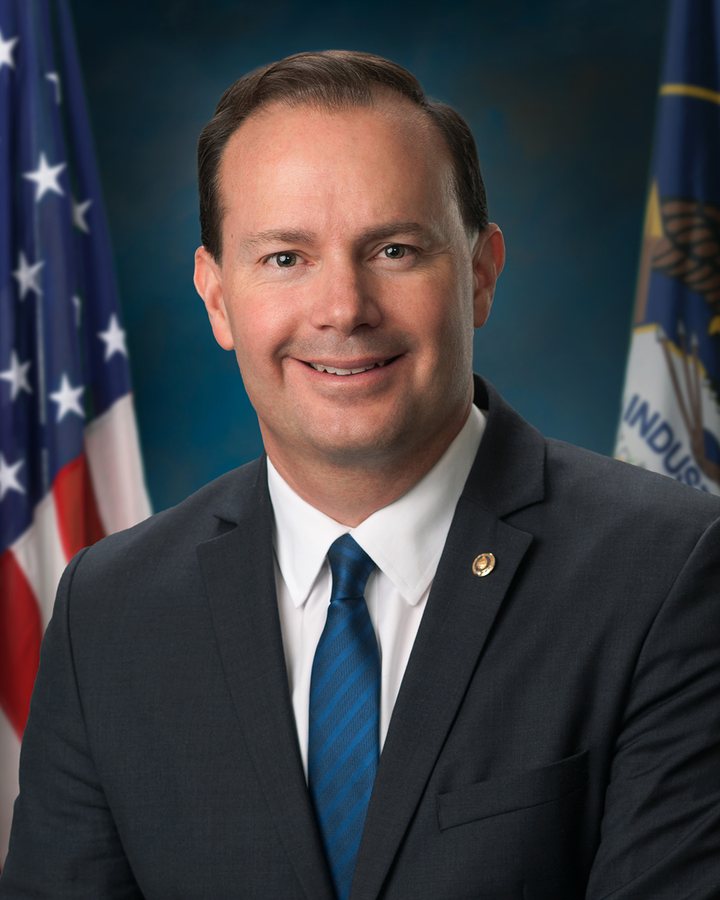
Senator Mike Lee of Utah has formally set in motion a congressional procedure that could overturn the management plan for Bears Ears National Monument, a step critics say would accelerate industrial exploitation of a landscape sacred to several tribal nations. The Republican senator this week entered a recent Government Accountability Office opinion on the monument's management plan into the Congressional Record.
That procedural move matters because of the Congressional Review Act. Once such an opinion is recorded, a resolution of disapproval may be introduced — a step expected soon — and both chambers of Congress can then move to expedited votes requiring only simple majorities. Should such a resolution pass and be signed by the President, the Bears Ears Monument Management Plan would be undone.
The plan sets expectations for how the land is managed for wildlife, outdoor access, dark night skies, grazing and other uses. It was developed over years of collaboration between federal agencies and tribal governments. Conservation groups warn that its repeal would not only remove those guardrails but also bar a substantially similar plan from being enacted in the future.
The timing has sharpened concerns. Lee's move came just days after 16 mining claims were filed inside Bears Ears National Monument. Mining bans in both Bears Ears and Grand Staircase-Escalante were lifted only on Friday, September 11, and companies were staking claims in the landscape almost immediately.
Steve Bloch, legal director of the Southern Utah Wilderness Alliance, described Lee's vision for the monument as a landscape dominated by exploitation — mining, grazing and logging — «if not outright sold to the highest bidder.» He said the management plan put guardrails in place so that the monument's cultural resources, plants and animals, and redrock canyons remain for current and future generations.
Thomas Delehanty, a senior attorney with Earthjustice's Rocky Mountain Office, said Lee was «at it again,» noting that the senator had failed earlier this year to eliminate the Grand Staircase-Escalante management plan and was now targeting Bears Ears. He said the loss of the plan, combined with recent changes to the monument's boundaries, would be a major blow to irreplaceable public lands.
Chaitna Sinha, staff attorney and conservation codirector at the Grand Canyon Trust, said Bears Ears had already been unlawfully reduced by 90 percent but that this was not enough for Lee. She pointed to polling from the previous month showing that 66 percent of Utahns said protections should be restored to all of Bears Ears, and that 82 percent — including 76 percent of Republicans — said Native American tribes should have a strong role in managing their ancestral lands.
«Senator Lee needs to start listening to his constituents and stop his relentless attacks on our public lands,» Sinha said. «Utahns want Bears Ears protected.»
Charlie Luke, Utah state director at The Wilderness Society, called the effort «a shameful attempt to erase decades of partnership between the U.S. government and the Tribes, the original stewards of this land.» He warned that opening the lands to the highest bidders would put cultural resources, clean water and wildlife at risk while threatening the freedom to experience Bears Ears and hand it down intact.
Opposition to the erosion of protections has been broad. Since proclamations issued in July, the Bears Ears Inter-Tribal Coalition, the Grand Staircase-Escalante Inter-Tribal Coalition, the Navajo Nation Council, the Navajo-Utah Commission, the Native American Rights Fund, the National Congress of American Indians, the National Association of Tribal Historic Preservation Officers, the Paiute Indian Tribe of Utah, the Hopi Tribe and the Southern Ute Indian Tribe have all voiced objections, alongside 37 U.S. senators, 330 organizations, faith communities, veteran groups, businesses and conservation organizations.
For the monument's defenders, the dispute is not only about land use but about whose voices count in decisions over sacred ground. The management plan emerged from years of public input and a historic tribal-federal partnership, and its possible repeal now rests with a fast-tracked congressional vote.
7