Court Blocks White House Ban on CNN, MS Now and Politico
A federal court has ruled against the White House's exclusion of three news organizations from press access, siding with CNN, MS Now and Politico in a case that tests the limits of executive power over the press.
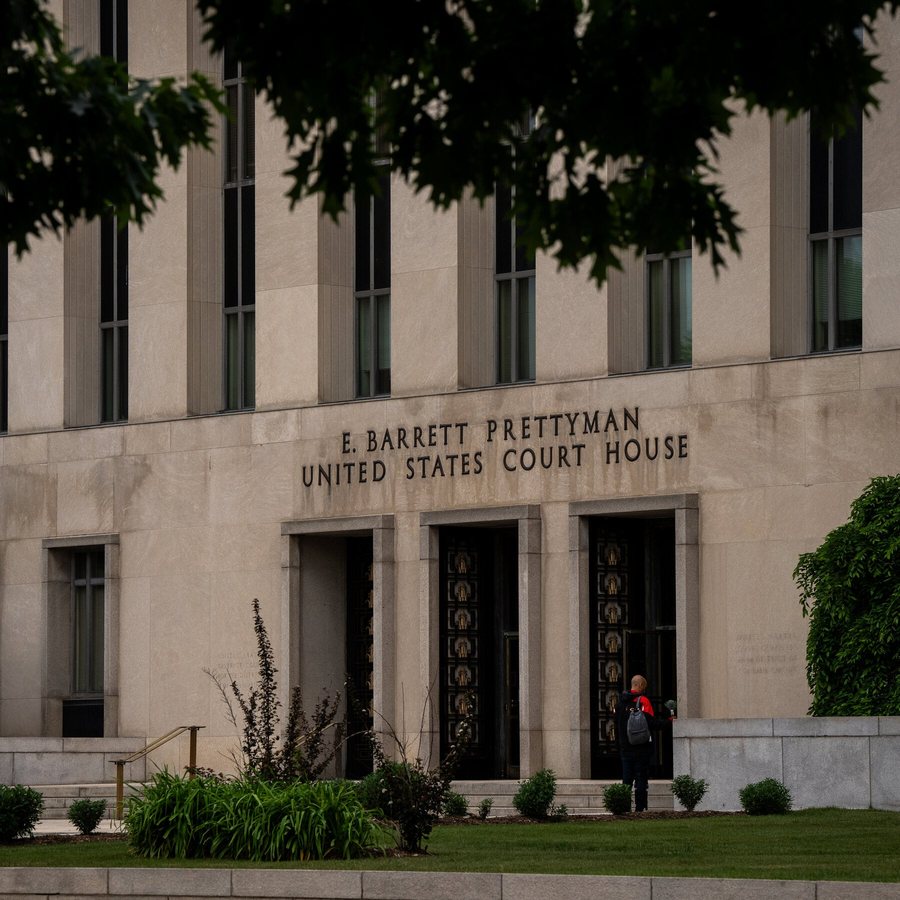
A federal court has blocked the White House from enforcing a ban that excluded CNN, MS Now and Politico from covering the executive branch, handing a victory to the three news organizations in a case that tested the boundaries between presidential authority and press freedom.
The ruling, issued in response to a lawsuit filed by the outlets, prevents the administration from denying them the access routinely granted to journalists covering the White House. The three organizations had challenged their exclusion after they were barred from the White House grounds and from participating in standard press operations.
The decision represents a significant legal check on the executive branch's ability to determine which news organizations may cover the president and his administration. Courts have long recognized that while the White House may regulate the logistics of press access, it cannot use that authority to punish or silence outlets based on their coverage.
CNN, MS Now and Politico sued after they were banned from the White House, arguing that the exclusion violated their rights and undermined the public's ability to receive information from a diverse range of sources. The case drew attention to the broader question of how far a president may go in restricting media access without running afoul of constitutional protections.
The ruling does not resolve every aspect of the dispute, but it immediately prevents the administration from continuing to enforce the ban while the case proceeds. Legal observers noted that the court's intervention signals skepticism toward the government's position that it may freely choose which journalists are permitted to cover the White House.
Press freedom advocates have warned that excluding established news organizations from official access sets a precedent that could extend to other outlets perceived as unfavorable to any administration. The White House Correspondents' Association and other media groups have consistently argued that broad access serves the public interest by ensuring that presidential activities are witnessed and reported by multiple independent newsrooms.
The administration has not indicated whether it will appeal the ruling or seek to modify its press access policies. The case is expected to continue in the courts, where the underlying constitutional questions about executive power and the First Amendment may be examined in greater detail.
For now, the court's order restores the ability of CNN, MS Now and Politico to return to the White House press area, a development that restores a measure of normalcy to daily coverage of the presidency. The ruling also serves as a reminder that the relationship between the executive branch and the press remains subject to judicial oversight, particularly when access is used as a tool of exclusion rather than a matter of practical scheduling.
The decision arrives amid ongoing debates about media credibility, institutional trust and the role of a free press in democratic life. While the legal fight is not over, the court's action ensures that the three outlets can continue to report from the White House while the case moves forward.
5