Israel warns Iran again as US strikes continue and talks stall
Israel's defence minister says Iran's mission is not complete and vows offensive action, while Tehran denies seeking nuclear weapons and US strikes on Iranian targets continue.
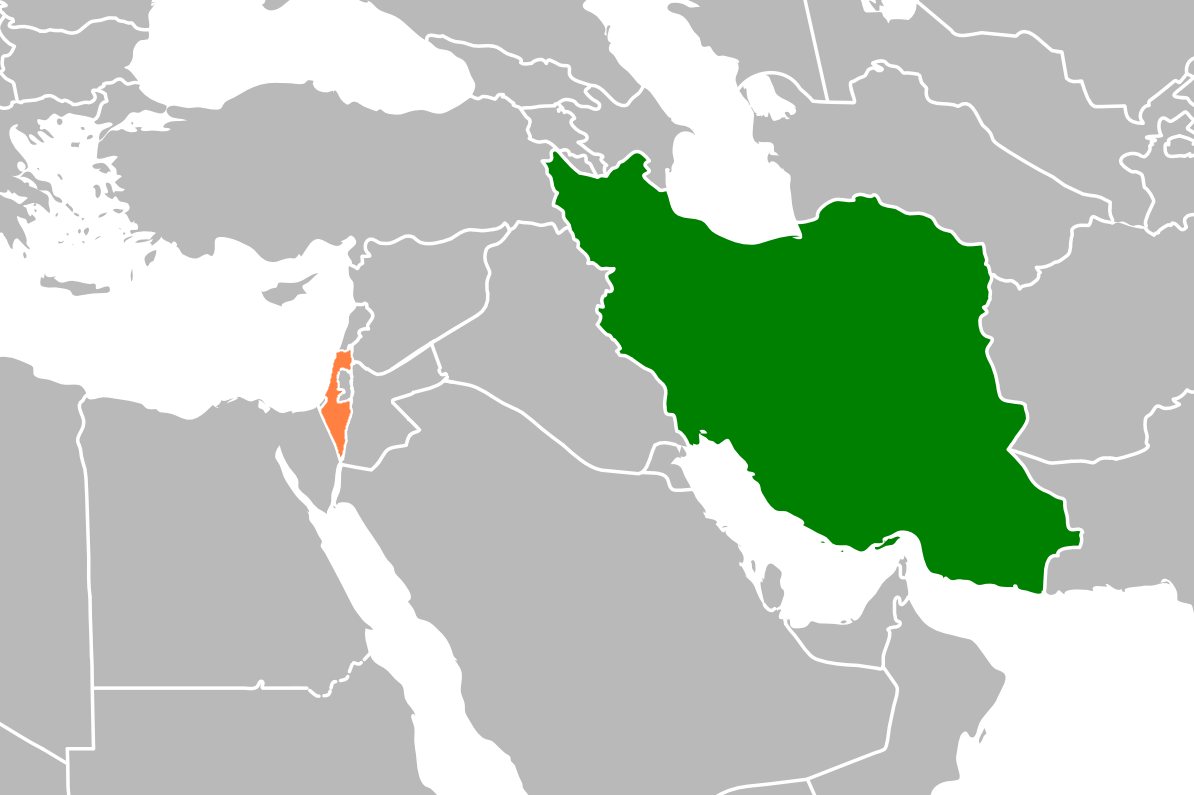
Israel's Defence Minister Israel Katz has said that Iran's mission is "not complete" and accused Tehran of reviving efforts to develop nuclear weapons. Katz vowed that Israel would take offensive military action against any threats it identifies, renewing a warning that comes as the wider conflict between Iran, Israel and the United States enters a more uncertain phase.
Tehran rejects the accusation. Iranian officials deny seeking nuclear weapons and maintain that their nuclear programme is peaceful. Reports indicate that Prime Minister Benjamin Netanyahu has pressed Washington for another major offensive against Iran, although the details of any such request have not been independently confirmed.
The latest escalation follows new US strikes on Iranian air defences, Qeshm Island and the Strait of Hormuz. US President Donald Trump has described the strikes as "minor" and said progress is being made in negotiations with Tehran. Trump also claimed in late October that nuclear enrichment sites had been destroyed, but some suspected sites remain unverified.
The International Atomic Energy Agency has said it has seen no evidence that the damaged facilities have been rebuilt. However, the agency has also stated that it cannot verify the current size of Iran's stockpile of enriched uranium, leaving a significant gap in international knowledge about Iran's nuclear capabilities.
The US and Israeli offensive against Iran began on February 28. Its stated goals included destroying Iran's nuclear and missile capabilities and bringing about regime change. Supreme Leader Ali Khamenei was killed during the campaign, but the government remains in power. His successor, Mojtaba Khamenei, has warned that Iran would respond without restraint to further attacks.
Iran's Revolutionary Guard Corps has said that the limit on missile ranges of 2,000 kilometres has been lifted. Iranian military officials claim their forces are stronger than they were at the start of the war, a claim that cannot be independently verified.
Politically, the conflict has had consequences at home for both Israel and the United States. Netanyahu's coalition lost the October 27 Israeli election. In the United States, Trump's Republicans lost control of both chambers of Congress in the midterm elections, with frustration over the Iran war cited among the factors.
Diplomacy continues in parallel. Iran has sent a proposal to Washington through Qatar, and the US is reviewing it. Tehran has said that talks can only proceed once sanctions and the US naval blockade are lifted. Russia has backed a diplomatic settlement, and President Vladimir Putin met Iran's security chief, Mohsen Rezaei, on Thursday.
Source: rt-english.com
20