US Average Gas Price Hits $4 Per Gallon Amid Iran War, Threatening Republican Election Prospects
The average price of gasoline in the United States has risen to $4 per gallon, driven by the ongoing conflict with Iran. Analysts warn this could damage President Trump's approval ratings and hurt Republican chances in the November midterm elections.
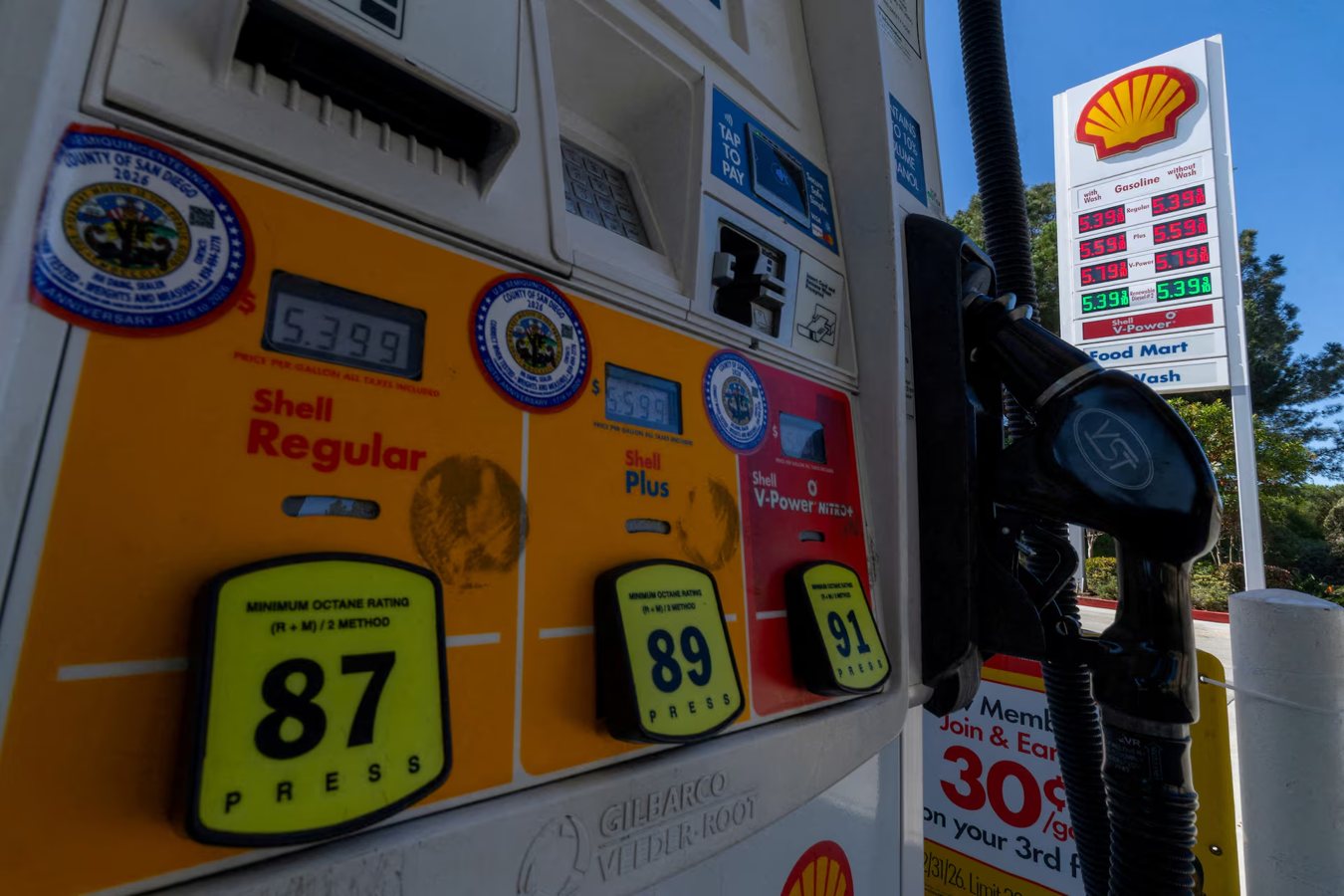
The average price of regular gasoline in the United States has climbed to $4 per gallon, a level not seen in recent months, as the ongoing military conflict with Iran continues to drive up global oil prices. According to data from the American Automobile Association (AAA) reported by the Associated Press, the national average at the start of this week reached exactly $4 per gallon, up 13 cents from the previous week and significantly higher than the $3.14 per gallon recorded during the same period last year.
The sharp increase is largely attributed to the war with Iran, which began in late February. Before the conflict, the average gas price stood at around $2.50 per gallon, according to NBC News. The disruption of oil shipments through the strategic Strait of Hormuz, where tankers have come under attack, has tightened global supply and pushed crude prices higher. The most expensive gasoline is found in California at $5.50 per gallon, followed by Hawaii at $5.42 and Washington state at $5.01.
The price surge comes after a brief period of relief in June 2026, when a temporary ceasefire agreement between Washington and Tehran led to a decline in prices. However, those negotiations collapsed, and by July 21, the United States had been conducting daily airstrikes on Iran for ten consecutive days, with renewed attacks on oil tankers in the Strait of Hormuz. This renewed volatility has erased any earlier gains at the pump.
President Donald Trump, who had previously boasted about falling fuel prices before the conflict, now faces growing public discontent. In March, when prices first spiked, Trump told Reuters: «It doesn't bother me at all. They will come down very quickly when it's over. And if they go up — well, let them go up, because this war with Iran is much more important than a small increase in gasoline.» This statement marked a stark contrast with his earlier claims of credit for low prices just hours before the first airstrikes.
A Reuters/Ipsos poll conducted in April 2026 found that 77% of Americans blame Trump for high gas prices, including 55% of Republican supporters. Political analysts at the time warned that such sentiment could seriously undermine Republican chances in the November midterm elections for the House of Representatives and the Senate. In June, during the temporary ceasefire, Trump publicly attacked gas stations for overcharging and demanded an immediate price cut, particularly criticizing California, a Democratic-controlled state, where he argued prices should be $2.50 per gallon.
The political stakes are high. A recent Financial Times poll shows that 58% of Americans believe the war with Iran was not worth the costs incurred by the United States. Trump's approval rating has dropped by 2 percentage points to 36% compared to the previous month. Kevin Book, managing director of ClearView Energy, told the Financial Times that research demonstrates a clear inverse relationship between presidential approval ratings and gas prices. «If you want to know what an American citizen thinks about the current government, just go to the gas station,» Book said.
Midterm elections are scheduled for November 3, with all 435 seats in the House of Representatives and about one-third of the Senate seats up for grabs. Currently, Republicans control both chambers, but forecasts and models indicate that the Democratic Party is likely to win a majority in the House and secure half the Senate seats. The sustained high gas prices, coupled with public war fatigue, are seen as key factors that could drive voter turnout against the incumbent party.
As the conflict with Iran shows no signs of de-escalation, and with oil markets remaining volatile, the economic pressure on American households is expected to persist. For the Trump administration and the Republican Party, the cost of war is increasingly being measured not only in military expenditure but also in political capital at the ballot box.
70