A Federal Bill Tests America’s Promise of Worship Without Fear
The Jewish American Security Act treats antisemitism not only as a hate-crime problem but as a threat to the ordinary practice of faith and community life.
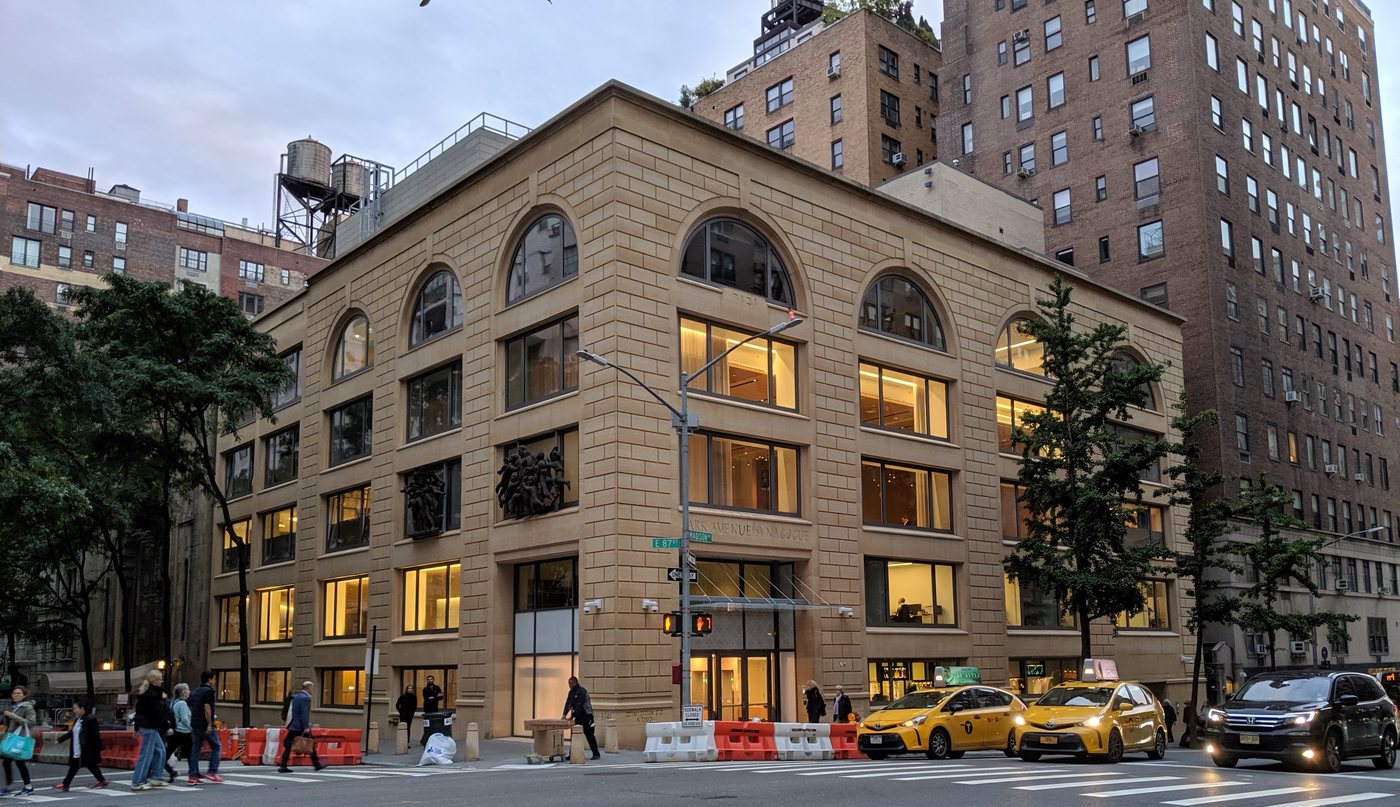
Religious liberty can be written into a constitution and still be diminished in daily life. A person who is free to enter a synagogue but decides not to go because the entrance feels dangerous has not lost the legal right to worship. Something more ordinary, and more fragile, has been lost: the confidence to exercise it.
That is the human problem behind the Jewish American Security Act now before Congress. Sen. Jacky Rosen introduced the Senate version on May 19 with a bipartisan group of original cosponsors, including Sen. James Lankford. Rep. Daniel Goldman introduced a House companion on June 9, likewise with bipartisan support.
The legislation is explicit about its central concern. Its purpose is to strengthen federal efforts against antisemitism and protect the Jewish community. It does not attempt to resolve the social problem through one criminal statute. Instead, it connects physical security, law enforcement, education, federal threat analysis and the information environment.
Its most visible material provision would authorize $1 billion a year for the Nonprofit Security Grant Program in fiscal years 2027 through 2031. The program is used by eligible nonprofits to improve security against terrorism and other threats. For a synagogue or community center, that can mean the practical architecture of safety rather than abstract reassurance.
The figure is an authorization, not an appropriation. Congress would still have to provide the money through subsequent budget legislation. The distinction is important because a promise of capacity is not the same thing as guards, reinforced doors or trained staff on the ground.
Another section asks the attorney general to work with state and local authorities to strengthen security around religious institutions facing threats or religious hate crimes. The bill allows grants for increased police presence, patrols, training and related assistance. This provision reaches beyond Jewish institutions in its wording, even though the act as a whole is centered on antisemitism and Jewish security.
The legislation also considers what happens before a threat reaches a building. The FBI, Department of Homeland Security and National Counterterrorism Center would conduct recurring assessments of antisemitic violent extremism at home and across borders, with public declassified versions where possible. The premise is that local fear and national threat intelligence should not exist in separate worlds.
Education is treated as another part of the same landscape. The bill would create an antisemitism coordinator at the Education Department, reinforce Title VI responsibilities and establish a federal clearinghouse for safety and best practices in schools and universities.
Large online platforms would face a transparency requirement. Services with at least 50 million monthly U.S. users would have to publish reports every 180 days describing how they detect and moderate antisemitic content, how automated systems are used and how algorithms may amplify it. The proposal does not abolish disagreement online; it requires powerful platforms to describe what they are doing about a specific form of hatred.
The fear being addressed is measurable. The American Jewish Committee reported that 55% of American Jews surveyed in 2025 changed their behavior in at least one way because of fear of antisemitism, and 30% avoided certain places, events or situations. The ADL counted 6,274 antisemitic incidents in 2025, including 203 physical assaults.
Those figures do not mean every synagogue faces the same threat, nor do they turn security policy into theology. They show how public hostility can enter private decisions: whether to wear a visible symbol, attend an event, send a child to a program or walk through a familiar door.
The bill is still only a proposal. As of Aug. 13, the Senate measure remains in committee and the House companion is still under committee and subcommittee review. If Congress advances it, the deeper test will come after the vote: whether an authorized system receives sustained funding and whether communities experience enough safety that worship again feels ordinary rather than courageous.
71