Argentine Catholics Walk 60 Kilometres to Luján Ahead of Pope Leo XIV Visit
Thousands of pilgrims are walking from Buenos Aires to the Basilica of Our Lady of Luján, continuing a decades-old tradition of devotion as the country prepares for a papal visit.
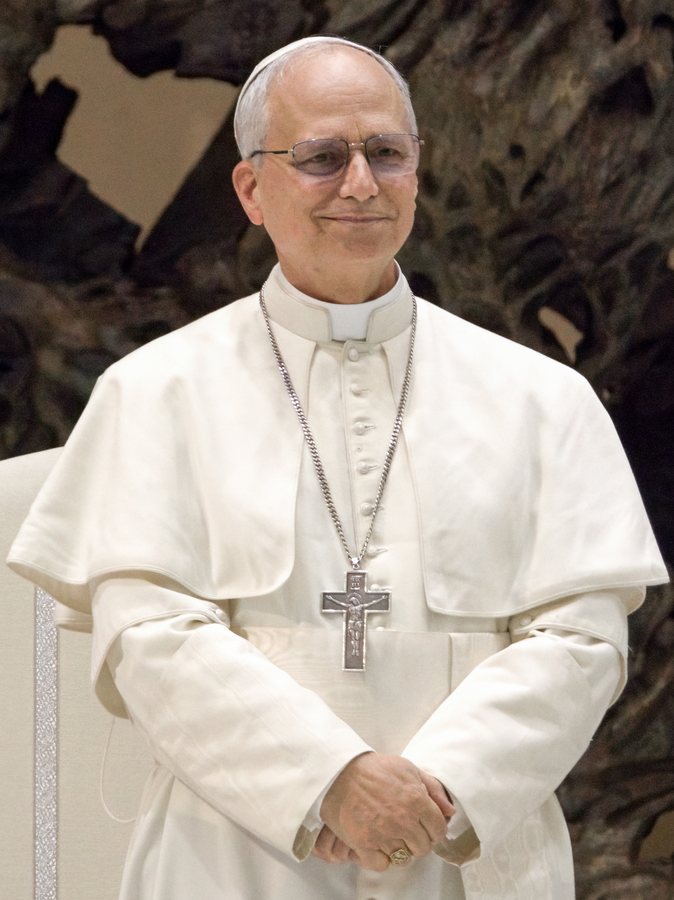
Thousands of Catholic faithful in Argentina are making a gruelling 60-kilometre pilgrimage on foot from Buenos Aires to the Basilica of Our Lady of Luján, continuing a tradition of devotion that stretches back generations. The annual walk, which draws believers from across the country, has taken on added significance this year as Argentina prepares to welcome Pope Leo XIV.
Pilgrims set out from the capital in stages, walking through the night along roads and rural paths that lead to the shrine in Luján, about 70 kilometres west of Buenos Aires. Many carry only light backpacks, sleeping bags and images of the Virgin Mary. Some walk in groups with parish banners, singing hymns and reciting the rosary as they go. Others make the journey in silence, offering their physical exhaustion as a form of prayer.
The pilgrimage is one of the largest expressions of popular Catholic piety in South America. It is rooted in devotion to Our Lady of Luján, the patroness of Argentina, whose statue has been venerated at the basilica since the 17th century. The faithful traditionally walk to fulfil promises, seek healing, give thanks or ask for divine intercession in personal and national matters. For many participants, the journey is as much a communal act of faith as a private sacrifice.
This year's pilgrimage comes ahead of an expected visit by Pope Leo XIV, whose election has stirred particular emotion in Argentina, the pope's home country. Preparations for the papal visit have been under way for months, with local dioceses organising logistics, security and pastoral programmes. The pilgrimage to Luján is seen by many as a spiritual preparation for that encounter, a way of bringing the concerns and hopes of ordinary believers to the feet of the Virgin before the pope arrives.
Organisers say the number of walkers has grown steadily in recent years, particularly among young people. Parishes, schools and lay movements coordinate transport for those unable to complete the full distance, while volunteers set up rest stations offering water, food and medical assistance along the route. Local police and civil protection teams also accompany the pilgrims, managing traffic and ensuring safety on the busier stretches of road.
The walk is not without hardship. Pilgrims face fatigue, blisters, cold nights and the risk of injury. Yet many describe the experience as transformative, a rare opportunity to step away from daily distractions and focus on what they consider essential. «You feel that you are not walking alone,» one participant said, reflecting a sentiment common among those who return year after year.
The Basilica of Our Lady of Luján, a neo-Gothic landmark and one of the most important Marian shrines in Latin America, will host Masses and confessions throughout the pilgrimage period. The culmination of the walk is traditionally marked by a large outdoor Mass, during which pilgrims present their intentions and give thanks for safe arrival.
For the Catholic Church in Argentina, the pilgrimage also carries a broader message at a time when religious practice and institutional trust face challenges in many parts of the world. The sight of thousands walking together, organisers say, is a visible sign of a faith that remains alive and communal, not merely private. As the country counts down to the papal visit, the road to Luján has become a place where that faith is expressed in motion, one step at a time.
3