Baguio’s Catholic Church joins city’s Pansa-nopen Tayo waste drive
The Roman Catholic Church in Baguio has signed an agreement with the city government to support its circular economy waste management program, with churches and schools set to host recovery facilities and parishes to promote environmental stewardship.
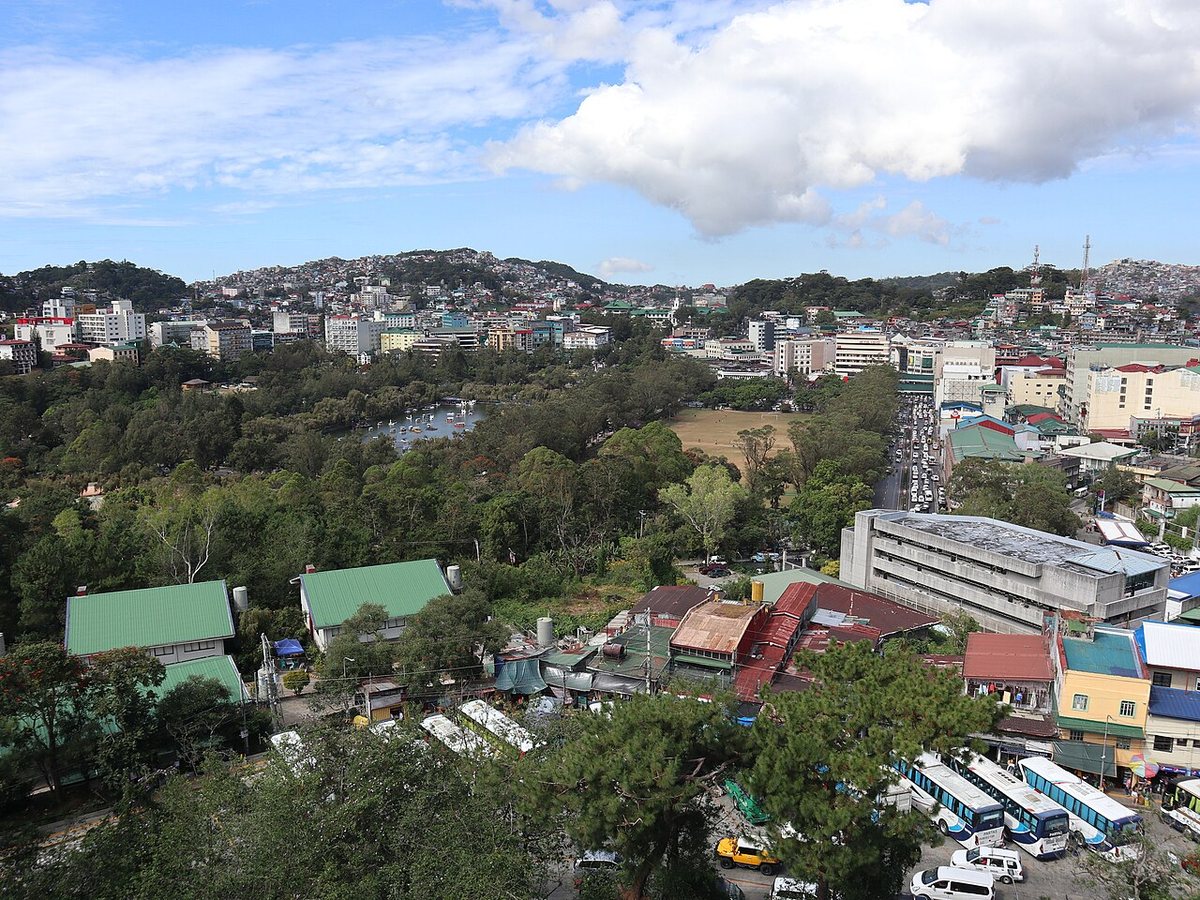
The Roman Catholic Church in Baguio has joined the city government’s call to support the Pansa-nopen Tayo circular economy program, a local initiative focused on waste management, environmental stewardship and changing everyday habits. Mayor Benjamin Magalong said in a media interview on Friday that the city is counting on the clergy to help bring about the behavioral change needed to achieve circular economy goals, beginning with the way households and institutions handle their waste.
The mayor said the religious sector was approached because it shapes not only the spiritual and moral lives of the faithful but also their civic, environmental and social awareness. He said the partnership with the Diocese is expected to strengthen community participation in waste reduction, recycling and other sustainable practices by engaging churches and their congregations in the city’s waste management efforts. He added that the city is also considering similar partnerships with other religious denominations.
The arrangement was formalized through a Memorandum of Agreement signed on October 16 and represented by Most Rev. Rafael Cruz. Under the agreement, the city and the Diocese will work together to establish or improve Materials Recovery Facilities, known as MRFs, at churches, parish facilities, schools and other diocesan institutions. The program will also include capacity-building activities, orientations and training sessions on proper waste segregation, recycling and composting.
Environmental care is also to be woven into the Church’s own life. According to the agreement, environmental stewardship will be integrated into homilies, catechesis, parish activities and diocesan campaigns, encouraging the faithful to take part in protecting the environment. The accord also provides for the formation of parish-based environmental stewardship groups that will help manage and sustain the operation of the MRFs.
Magalong said the initiative reflects the principles of both Pansa-nopen Tayo and Laudato Si’, the Catholic Church’s call for care of the environment and the common home. Pansa-nopen Tayo, he explained, is a local program that promotes the circular economy through proper waste management, recovering recyclable, reusable and biodegradable items for repurposing and livelihoods while ensuring that waste is disposed of properly.
7