Green Party Members Vote to Equate Zionism With Racism at Brighton Conference
Delegates at the Green Party's Brighton conference backed a motion describing Zionism as racism and calling for a single Palestinian state, while rejecting an amendment that would have shielded members from discipline over ties to Jewish institutions. The vote has drawn sharp criticism over its implications for Jewish members' religious and communal life.
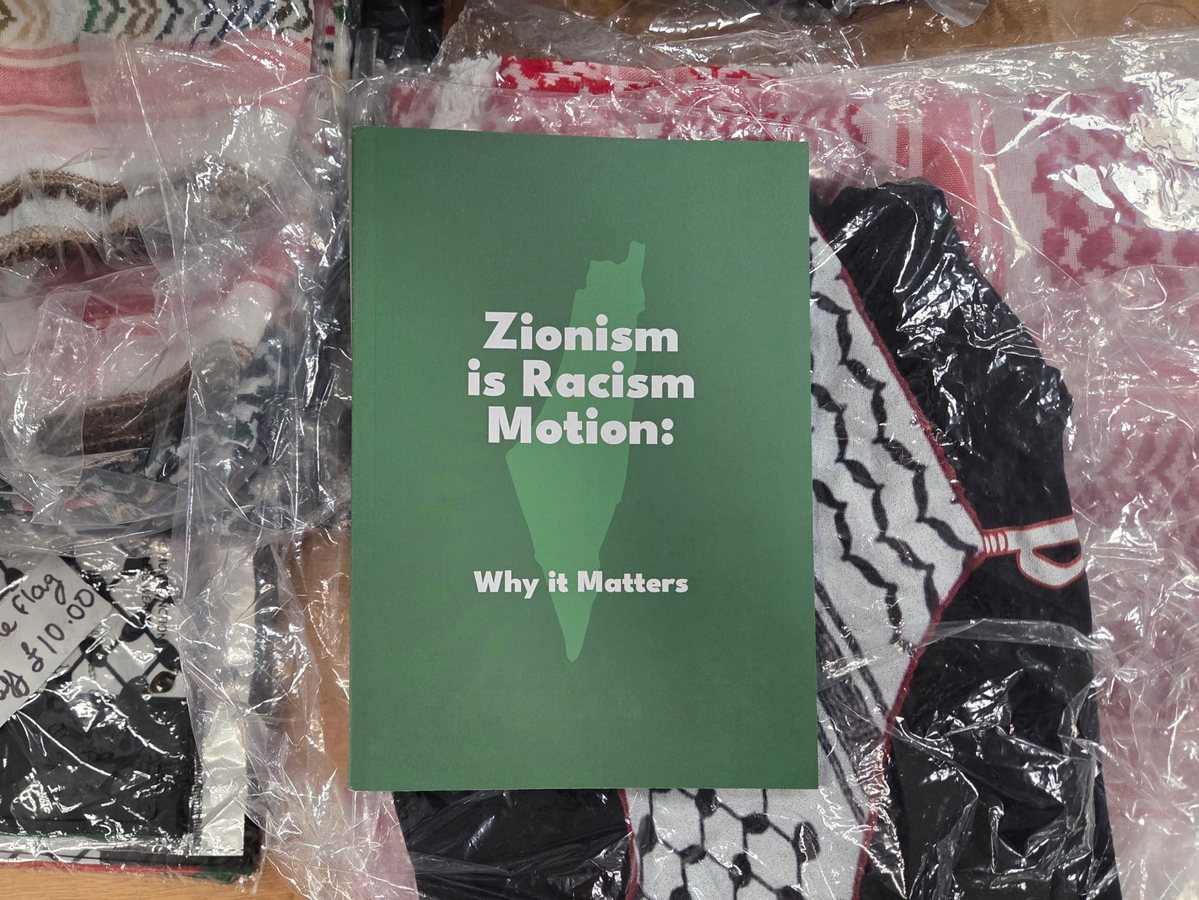
Members of the Green Party of England and Wales have voted to adopt a motion that equates Zionism with racism and advocates a single Palestinian state across what the text calls historic Palestine. The decision, taken at the party's conference in Brighton by 1,022 votes to 813, has intensified a dispute over how the party treats Jewish members whose religious and communal affiliations include synagogues that describe themselves as Zionist.
The most contentious moment came when delegates considered an amendment intended to protect members from being penalised for their association with Jewish institutions, including synagogues identifying as Zionist. The amendment was rejected despite warnings about the consequences for Jewish religious observance. Critics argue the outcome leaves Jewish members exposed to disciplinary scrutiny over where they pray and which communal bodies they belong to, turning ordinary religious life into a matter for ideological inspection.
Organisers arranged for a separate room for Jewish members who felt unsafe at the conference, and a party source confirmed that some worried attendees were directed to use a different entrance to avoid protests outside. For critics, the practical arrangements illustrated the problem: people who join a political party to improve their country found themselves navigating their own conference by a different route because their safety had become a concern.
The vote has also raised questions about leadership. Zack Polanski, the party's leader, had backed amendments before being absent for the final vote while campaigning in London. His opponents say the rejection of his own safeguards shows how little control he exercises over a membership that has embraced positions he once appeared to temper. A leader who indulges extremists for electoral advantage, the argument runs, cannot expect them to remain merely obedient campaign volunteers.
Jewish opinion on Zionism is not monolithic, including within the Greens, and members are entitled to disagree with one another. The objection is to a party imposing its own definition, branding Zionism as racist, and then leaving Jewish members to explain whether their religious and communal ties make them suspect. The situation in Gaza or the West Bank, critics say, imposes no obligation on any British Jew to sever ties with Israel, nor does it justify treating synagogue membership as a political test.
The motion's demand for a single democratic state with equal rights has also drawn scrutiny. Supporters describe it as a vision of equality; opponents ask how it could be achieved when Israelis are expected to accept arrangements they regard as existential threats. The debate over the wording has become a proxy for a wider argument about whether a party can adopt a political position on the Middle East while guaranteeing the security and dignity of its own Jewish members.
The conference decision now places the Greens at the centre of a broader national conversation about religion, politics and belonging. For Jewish communities, the question is not whether members may disagree about Israel but whether a political party should make their religious affiliations a matter for discipline. The party has said it remains committed to opposing racism, a reassurance that critics have dismissed as inadequate given the vote and the rejected amendment.
Attention now turns to whether the leadership will seek to reverse the policy and whether other parties will make future cooperation with the Greens conditional on that reversal. For the Jewish members who spent the conference uncertain about their welcome, the practical consequences are immediate: the vote has made their place in the party depend on meeting a political condition, and the argument over whether that is acceptable is far from settled.
5