Trump Suspends Sweeping Russia Sanctions Under National-Interest Waiver
US President Donald Trump has suspended far-reaching sanctions against Russia that he signed into law only a month ago, invoking a national-interest exemption to waive penalties on Moscow's economy and on countries buying Russian energy.
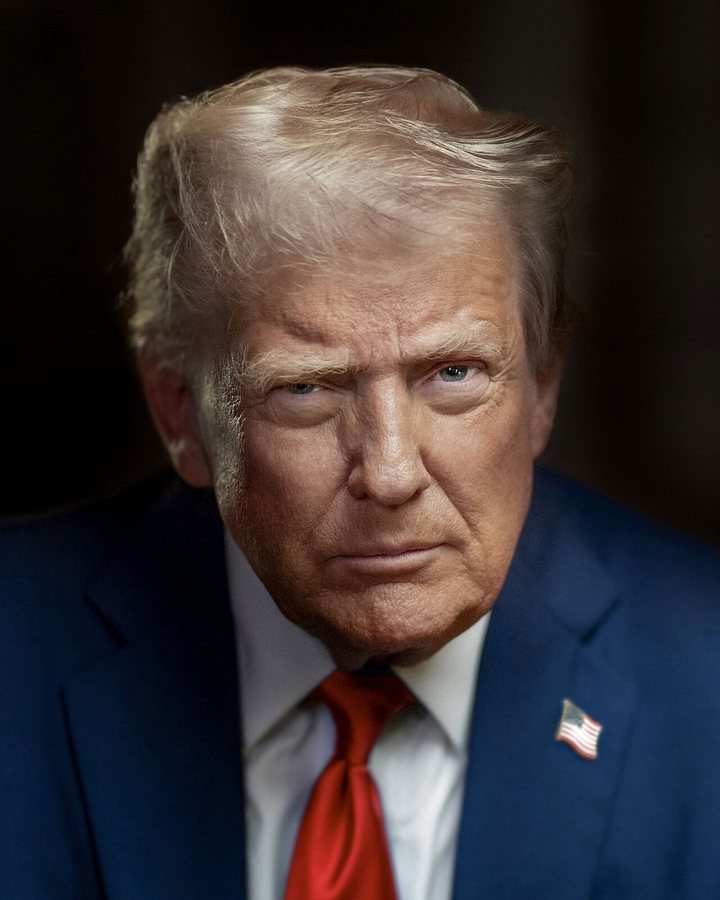
US President Donald Trump has suspended sweeping new sanctions against Russia that he signed into law just a month earlier, using a national-interest exemption to waive penalties aimed at Moscow's economy and at countries purchasing Russian energy.
An executive order issued on Friday waived the sanctions and tariffs mandated by the Lindsey O. Graham Sanctioning Russia and Iran Act. The measures included proposed 500% tariffs on Russian imports and 100% tariffs on major buyers of Russian oil and gas. Supporters of the legislation had described it as a «bone-crushing» instrument designed to push Russian energy exports out of the global market, and hawkish lawmakers argued that existing restrictions had allowed Moscow to circumvent economic pressure.
The waiver marks a sharp reversal for an administration that had endorsed the bill only weeks before. Trump had unexpectedly lifted sanctions on Russian diesel exports earlier this month in an effort to curb rising energy prices ahead of the US midterm elections. That decision drew outrage in Ukraine and among America's European allies, and a bipartisan group of US senators accused the president of betraying Kyiv.
The latest move is likely to deepen those concerns. By setting aside the core tariff provisions of the Graham Act, the administration effectively neutralises the legislation's central mechanism for penalising countries that continue to buy Russian oil and gas. The 500% tariff on Russian imports and the 100% levy on major energy buyers had been presented as the teeth of the law, intended to force Moscow's energy exports out of global markets and to close loopholes that hawks said had blunted earlier rounds of restrictions.
The executive order does not offer a detailed public justification beyond the national-interest exemption, and further details were not immediately available. The decision nonetheless places the White House at odds with a substantial bipartisan coalition on Capitol Hill that had backed the sanctions package, and it raises fresh questions about the durability of US economic pressure on Moscow as energy prices and electoral calculations weigh on policy.
For European allies and for Kyiv, the waiver compounds a sense of uncertainty that followed the earlier suspension of penalties on Russian diesel. Those governments had pressed Washington to maintain a united front on energy sanctions, arguing that any easing gives Moscow additional revenue and room to manoeuvre. The bipartisan senators who criticised the diesel decision are now likely to renew their objections with greater force, since the new order reaches the central provisions of a law the president himself signed.
The episode also illustrates a broader tension in the administration's approach: between the congressional drive for maximal economic pressure on Russia and the president's preference for flexibility, particularly when energy costs threaten to shape domestic politics. How allies and lawmakers respond in the coming days will determine whether the waiver becomes a temporary adjustment or a lasting shift in the sanctions regime.
6