Islam set to overtake Christianity as the world's largest religion by 2035
New Pew Research Center projections show Muslims are expected to outnumber Christians worldwide by 2035, a shift driven largely by demographic trends.
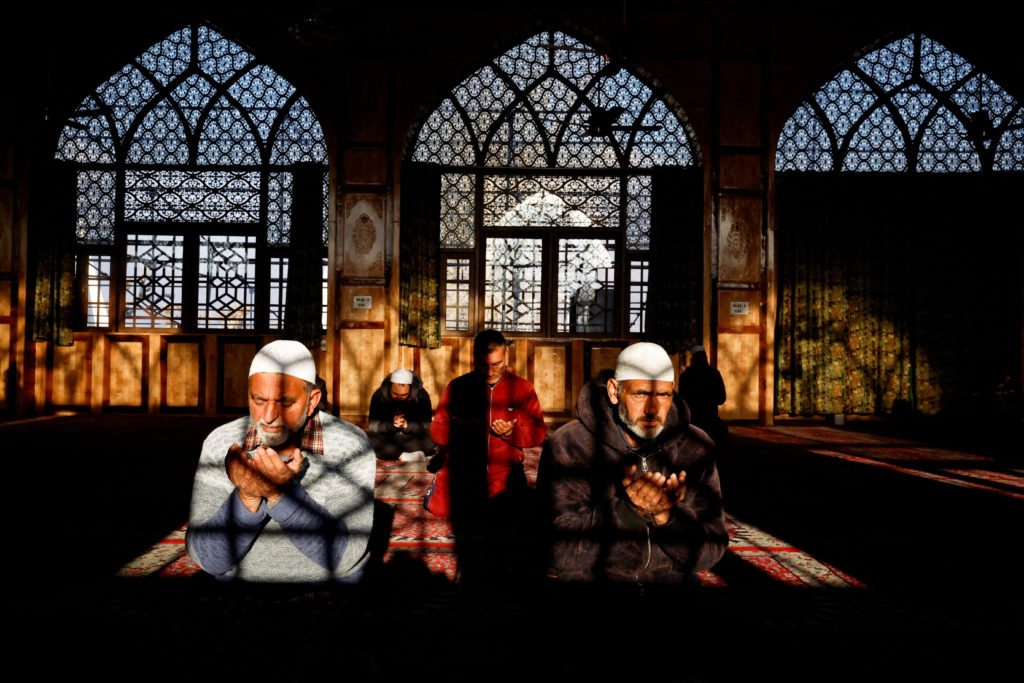
Islam is expected to overtake Christianity as the world's largest religion by 2035, according to detailed population projections released by the Pew Research Center. The findings, published on a Wednesday, point to a significant shift in the global religious landscape within little more than a decade.
The study indicates that the number of Muslims worldwide will grow faster than the number of Christians over the coming years. Researchers attribute the expected change largely to demographic factors, including differences in birth rates and the age structure of the two populations. Muslims are, on average, younger than Christians, which means a larger share of them will be entering their childbearing years in the period ahead.
Reports on the projections describe the change as the moment Islam becomes the most widely followed faith on Earth, a position Christianity has held for a long time. Christianity remains the largest religion today, and the projections make clear that it is the Muslim population, not the Christian one, that is expected to expand more quickly in the years leading up to 2035.
The Pew Research Center has released new projections that show Islam will surpass Christianity as the world's largest religion by 2035. One widely shared report summarized the study in stark terms, saying Islam would leave Christianity behind as the most popular religion on the planet. The language reflects how quickly the story has circulated, with coverage presenting the result as a turning point rather than a gradual trend.
The Pew analysis forms part of an ongoing body of work tracking religious affiliation and population change across countries and regions. Its projections rest on assumptions about fertility, mortality, and migration, and they represent expectations rather than certainties. Demographers stress that population forecasts depend on how these underlying trends develop, so the timing and scale of the shift could vary from what is currently projected.
The projections also carry implications for how religious life is organized in many countries. Growing Muslim populations will shape the demand for mosques, Islamic schools, halal food production, and religious services, while Christian churches in regions where their share is declining will face questions about membership, funding, and outreach. Governments and local authorities may also need to consider how changing religious composition affects public institutions, education policy, and questions of integration.
For readers following religion and society, the projections offer a clear picture of where the world's believers are heading. They raise questions about how communities will adapt to these changes, but the study itself focuses on the demographic baseline rather than on the political or social responses that will follow. Those responses will be shaped by the decisions of religious leaders, policymakers, and ordinary believers over the coming decade.
Source: pbs.org
31