Muslims set to outnumber Christians worldwide within the next decade
New Pew Research Center demographic projections suggest Islam will become the world's largest religion within the next ten years, driven by fertility, age structure and migration.
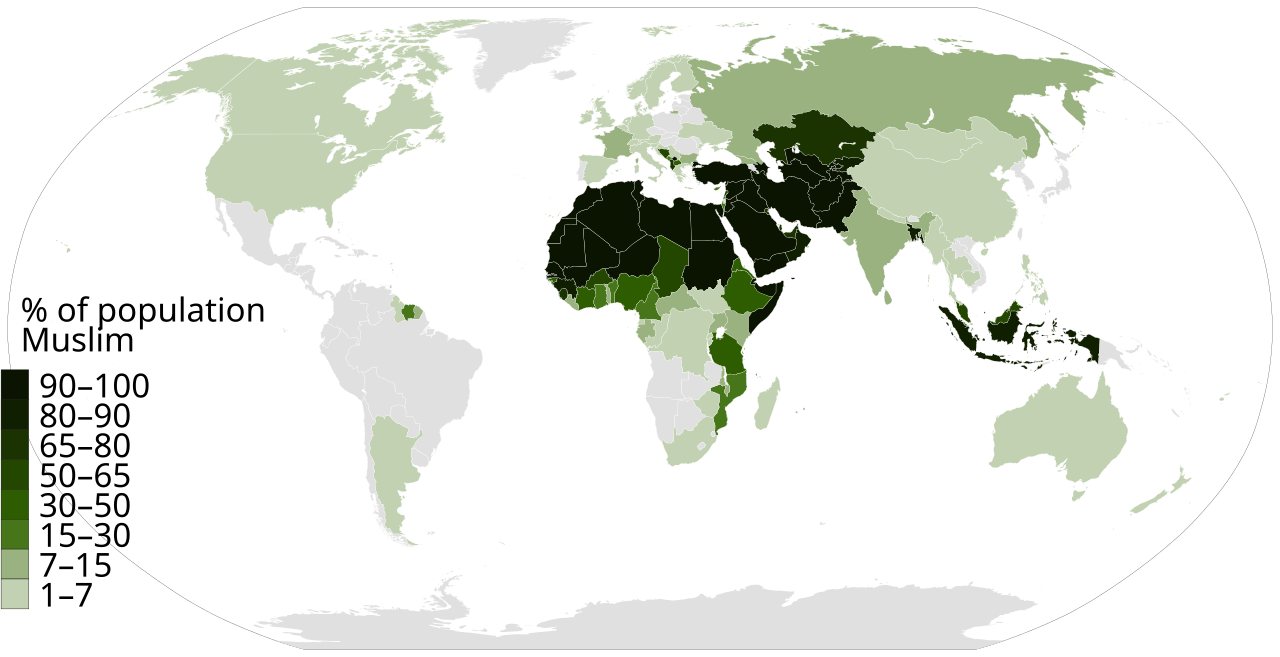
The global Muslim population is on the verge of overtaking Christians, according to new demographic projections showing Islam becoming the world's largest faith within the next decade. The findings, drawn from research released by the Pew Research Center, point to a shift in the religious map of the world driven less by conversion than by the underlying mechanics of population growth.
The projections examine how differences in fertility rates, life expectancy, age structures and migration patterns will reshape religious affiliation across regions. Muslim populations are generally younger than Christian ones in many parts of the world, and higher birth rates among Muslim communities mean that a larger share of their members will be of reproductive age in the coming years. Those factors, the researchers suggest, will push the balance of numbers in Islam's favour even if the proportion of believers in each religion changes only slightly.
Demographers have long noted that religious change at the global scale tends to move slowly and is shaped more by births, deaths and movement across borders than by sudden shifts in belief. Christianity remains the largest religion in absolute terms, and its adherents are spread across Europe, the Americas, Africa and Asia. Its share of the world population has, however, been declining over recent decades in several regions, particularly in parts of Europe and North America where church attendance and religious identification have fallen.
Migration also plays a role in the projections. Movement of people from predominantly Muslim countries to Europe, North America and elsewhere adds to the numbers of Muslims in host societies, while in some Christian-majority regions population ageing and lower birth rates reduce the natural growth of the Christian community. These dynamics vary considerably from country to country, and the overall global picture reflects the combined weight of many different national trends.
The prospect of Islam becoming the largest religion has drawn attention from commentators, religious leaders and scholars of demography, many of whom caution against reading the numbers as a simple measure of religious vitality or future political influence. Population size does not automatically translate into institutional power, and religious identification can mean very different things across communities. Researchers emphasise that the projections describe headcounts and are subject to the usual uncertainties of long-range forecasting, including changes in migration policy, health outcomes and the way people report their faith in surveys.
For readers in Germany and across Europe, the findings are a reminder of how demographic change is reshaping the religious landscape closer to home, where churches have been losing members for decades and Muslim communities have grown through both settlement and natural increase. Whether the projected crossover arrives within the next ten years will depend on assumptions that the research itself treats as provisional, but the direction of travel that it describes is clear: the centre of gravity of the world's religious population is moving, and the consequences for church life, public debate and interfaith relations will be felt in the years ahead.
Source: endtimeheadlines.org
29