Ecumenical Patriarchate welcomes start of Bulgarian return of relics to Greece
The Ecumenical Patriarchate welcomes the start of the return of centuries-old church treasures from Bulgaria to northern Greece and hopes this step will serve as a model for the repatriation of other cultural property, including the Parthenon sculptures.
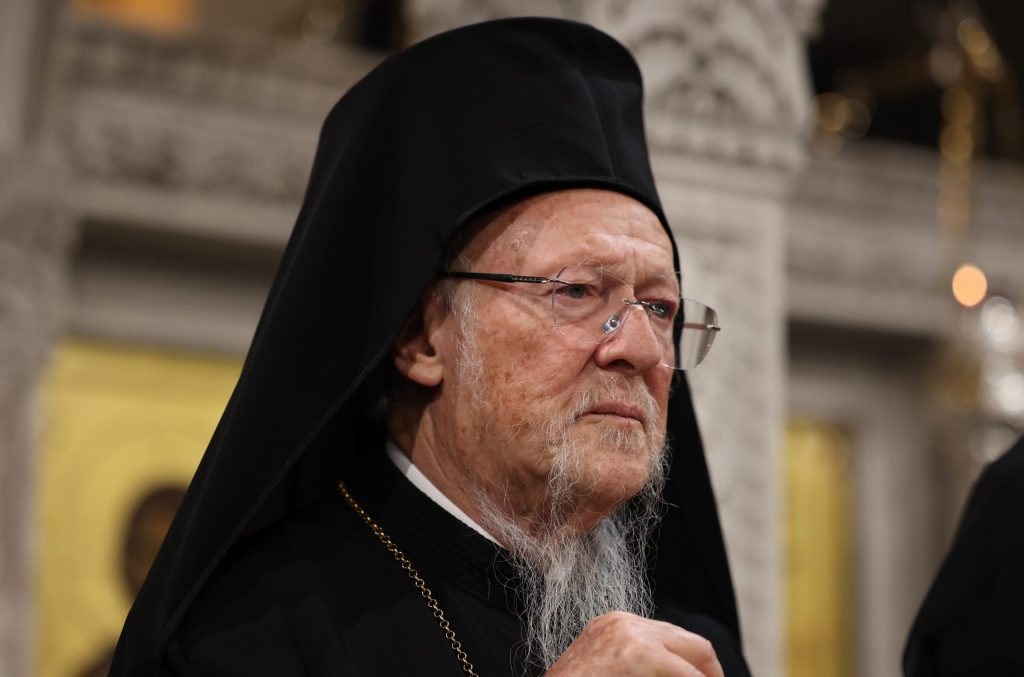
The Ecumenical Patriarchate has explicitly welcomed the beginning of the return of sacred and historical relics from Bulgaria to northern Greece. In a statement published on Sunday at the Phanar, it described the agreement between the governments of Greece and Bulgaria as an important step and expressed the hope that this example would set a precedent, including for the return of the Parthenon sculptures.
According to the Patriarchate, the objects were removed more than a hundred years ago from metropolises and monasteries in northern Greece that are subject to its spiritual and canonical jurisdiction. The return therefore concerns ecclesiastical heritage that had been withheld from the Great Church of Christ for decades. The Patriarchate speaks of a "beginning of restitution" for the earlier seizure of religious and cultural treasures.
The statement says the Patriarchate learned of the agreement between the governments of Greece and Bulgaria on the exchange of historical relics and expresses its satisfaction at the beginning of the return of valuable and sacred objects. These were removed more than a hundred years ago from holy metropolises and monasteries under the spiritual and canonical authority of the Great Church of Christ in northern Greece.
The Patriarchate explicitly regards the agreement as a beginning and expects the procedure to be carried out promptly. It invokes the moral order, international law and the relations between the two countries. The statement underlines that the restoration should take place within the framework of the cordial relations between the two neighboring and allied states, both members of the European Union.
The statement also recalls the personal commitment of Ecumenical Patriarch Bartholomew. He had raised the issue officially some years ago during a visit to Sofia with the then President of the Republic of Bulgaria. Today the Patriarchate welcomes the start of the corresponding procedure and congratulates both governments on what has already been achieved and what is yet to follow.
Beyond the specific case, the Patriarchate links the return to the broader debate on the repatriation of cultural property. The reunification of the Parthenon sculptures receives particular mention. The Patriarchate expresses the wish and hope that these developments may serve as a wider example and inspiration, encouraging the competent authorities of other countries to respond positively to the return of cultural treasures taken away.
The statement describes the Parthenon monument as a symbol for all of humanity. It is said to be quietly and patiently awaiting reunification with its remaining organic parts, which were forcibly taken to foreign locations. In this way the Ecumenical Patriarchate joins the growing number of church and cultural voices that point to the moral dimension of returning stolen heritage.
The agreement between Athens and Sofia marks a rare case in which a bilateral exchange of cultural property is taking concrete form. For the affected metropolises and monasteries in northern Greece, the beginning return of the relics means not only the recovery of religious objects but also the restoration of a piece of local identity and ecclesiastical continuity. The Patriarchate combines this with the expectation that the remaining steps will follow quickly.
Source: tanea.gr
68