Papst Leo XIV. ruft katholische Schulen zur Förderung junger Menschen auf
Pope Leo XIV told participants at a Vatican congress that Catholic schools and universities should be places where young people feel loved and seen, so they can help build a more peaceful and just world.
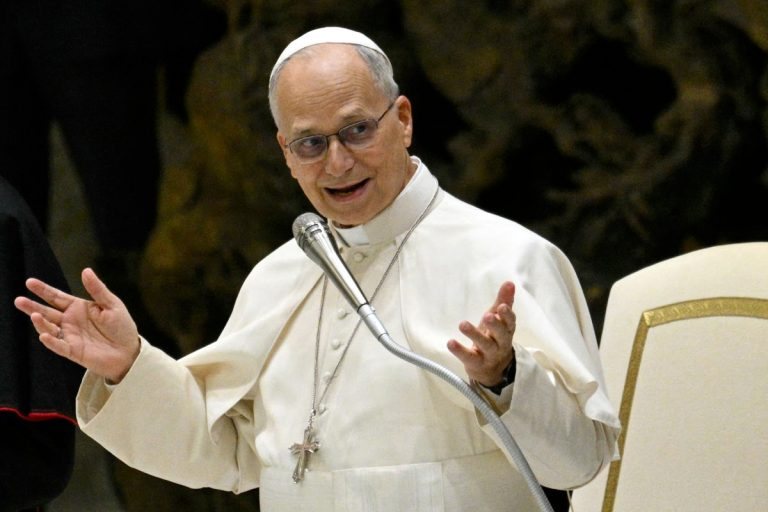
Catholic schools and universities should be places where young people feel loved and seen, so that they can go on to help build a more peaceful and just world, Pope Leo XIV stressed on Thursday, October 22. Speaking to participants in the International Congress for Pastoral Care in Schools and Universities, organized by the Dicastery for Culture and Education and held at the Vatican from October 22 to 23, he said that behind the armor many teenagers build around themselves to avoid suffering lies a desire to love and be loved.
The Pope encouraged educators to help the young people they meet become protagonists of a new way of living in the world, builders of fraternity and of a more just society. Courage, he said, is born from a pact of trust, from the experience of someone who believes in a person before that person believes in himself or herself. He recalled that Jesus chose the twelve Apostles not because they were brave, but because He called them and, through His trust in them, made them capable.
Pope Leo described the importance of this trust as particularly pressing today, when people live in a performance-driven culture that constantly compares and ranks individuals, sometimes ruthlessly. A misguided understanding of meritocracy, he argued, ultimately fails to respect people. As a result, many young people are paralyzed by the fear of making mistakes, of not being good enough, of being misunderstood, or of failing to meet expectations. He also warned of false teachers and misleading messages that promise quick answers to young people's questions.
In this context, the Pope said that Catholic schools and universities should be first and foremost a home, a familiar place where people know they are expected and welcomed. He described it as a setting where someone looks you in the eye, remembers your name, notices your absence and rejoices when you return. Many people walking the corridors of these institutions, he observed, may nonetheless feel anonymous.
The Pope acknowledged that many students are distinguished by enthusiasm, generosity and a spirit of service, yet many also experience forms of existential distress. He named wounded families, digital loneliness, feelings of inadequacy and fear in the face of an uncertain future. In a welcoming environment, he explained, a student can understand and find meaning in reality and take part in the shared pursuit of truth. He urged those working in Catholic institutions to stimulate young people's intellect, to help them encounter Christ and to discover the fruitfulness of the synergy between faith and reason.
School and university pastoral ministry, Pope Leo insisted, is called to accompany the slow germination of thought, teaching young people to discern and to seek with perseverance. Pastoral care in these settings, he said, will bear the most fruit when it focuses on educating the heart. Young people must be educated in compassion, gratitude and the ability to be moved by the suffering of others, as well as in praise and in the desire for God. Service to the poor, volunteering and care for creation, he said, are not merely supplementary activities but places where the heart learns to expand, and charity goes hand in hand with prayer.
The Pope concluded by encouraging those present to continue the mission they have chosen, namely to walk alongside young people on their journey until they discover the gifts God has already placed within them.
11