Pope Leo XIV Undergoes Lung Surgery for Adenocarcinoma
The 71-year-old pontiff had the lower lobe of his right lung removed at Rome's Gemelli hospital in a 90-minute procedure that the Vatican says was fully successful, with no mention of follow-up chemotherapy.
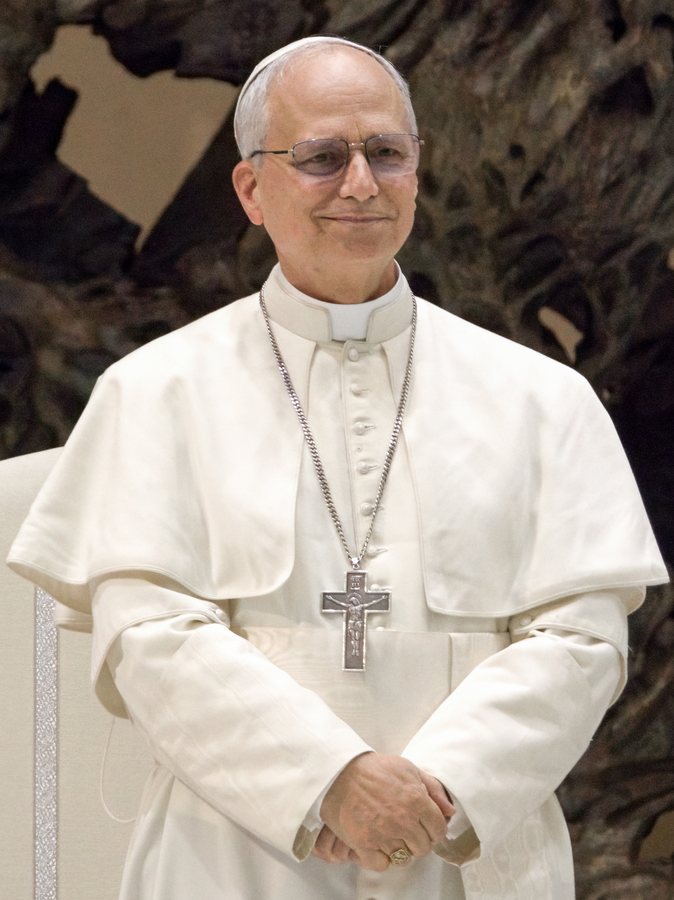
Pope Leo XIV has undergone surgery to remove a pulmonary adenocarcinoma, the most common form of malignant lung tumour, the Vatican has confirmed. The 71-year-old pontiff was operated on at the Policlinico Gemelli in Rome, where the lower lobe of his right lung was removed.
According to a Vatican medical bulletin, the thoracic surgery proceeded as planned and was carried out using a video-assisted technique in order to make the operation radical. A frozen-section histological examination confirmed the diagnosis of pulmonary adenocarcinoma, which had been suspected on the basis of pre-operative tests. The nodule, the bulletin states, was removed in full.
The pontiff had himself made the illness public, describing it as a nodule confined to the lung. Vatican sources say the medical team has made no reference to chemotherapy following the operation. The Pope spent roughly three hours in the operating theatre, while the procedure itself lasted about 90 minutes. The surgical team, including doctors Luigi Carbone and Stefano Margaritora, reported that the operation was successful and that there were no complications.
After the surgery the Pope woke normally and, following a short period of observation, returned to his room on the tenth floor, where he asked for dinner. The post-operative course is expected to last about a week.
Claudio Micheletto, director of the complex pneumology unit at the university hospital of Verona and a board member of the Italian association of hospital pulmonologists, explained to the Italian health press what the coming days will involve. Immediately after surgery, he said, the patient has a drainage tube in place for a few days to encourage the lung to expand. Physiotherapy — a form of respiratory exercise — begins early, roughly a day or two later, with the aim of getting the patient moving again as soon as possible, since the less time spent in bed, the easier the recovery.
The physiotherapist uses techniques to mobilise the patient, preventing secretions from stagnating and above all helping the lung to re-expand, because the lung collapses during the operation and the external drain is fitted precisely to allow it to inflate again. This normally takes two or three days. Once the drain is removed and a small suture is placed on the chest wall, the patient may even be able to go home, though a period of recovery must still be observed.
Adenocarcinoma is the most common non-small cell lung cancer, accounting for roughly 60 per cent of cases. Unlike other tumours affecting the lung, it forms and develops in the peripheral area of the organ, particularly in the small bronchi and the alveoli. It is frequently found among non-smokers, among women and among people under the age of 45 to 50.
If it is not diagnosed and treated promptly, the disease can reach the lymph nodes, the liver, the adrenal gland and other internal organs. Early symptoms are not always obvious, and the diagnosis is sometimes made during routine check-ups. As the tumour progresses it causes respiratory problems: a persistent cough, particularly a dry one, coughing up blood, breathlessness, chest pain, general weakness, fever and weight loss.
The disease is caused by uncontrolled cell growth triggered by genetic mutation of DNA. Among the main risk factors are cigarette smoke, including passive exposure, and exposure to asbestos or other heavy agents such as arsenic, radon and nickel.
The choice of treatment depends on the stage of the disease and the patient's clinical condition. When the diagnosis is made before metastases appear and the tumour's size and position make it treatable, the mass is removed surgically, as happened in the case of Pope Leo XIV. Treatment for pulmonary adenocarcinoma may also involve radiotherapy or chemotherapy, and therapies naturally vary from patient to patient.
4