Pope Leo XIV Undergoes Lung Surgery; Vatican Says Governance Continues
Pope Leo XIV was hospitalized at Rome's Gemelli hospital on October 13, 2026, for removal of a cancerous lung nodule. The 90-minute operation went as planned, and the Vatican says the pope retains full authority during his roughly one-week convalescence.
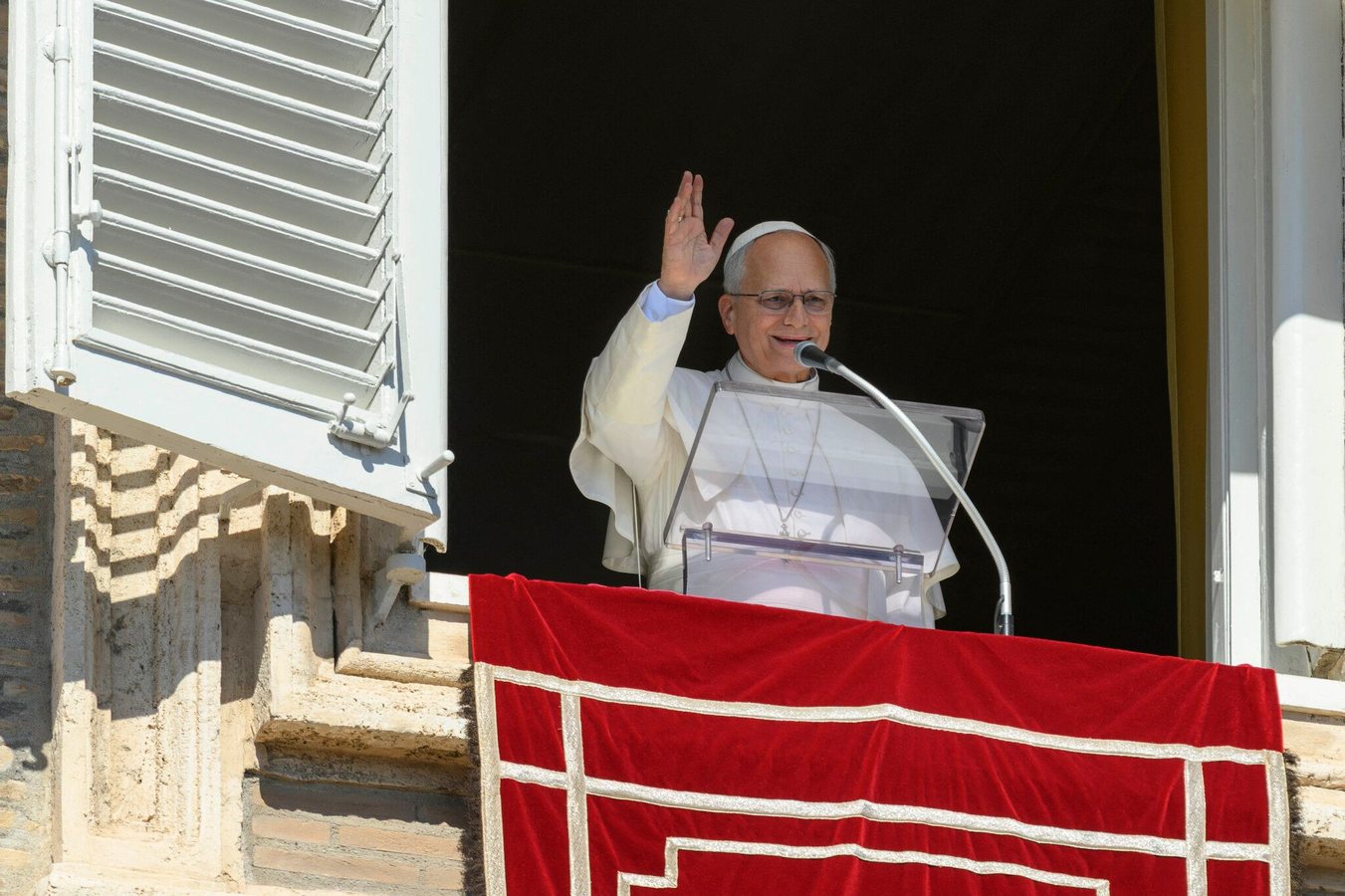
Pope Leo XIV underwent surgery at Rome's Gemelli hospital on Tuesday, October 13, 2026, to remove a cancerous nodule from his right lung. The Vatican confirmed that the 90-minute operation «went well, within the expected time and according to the planned procedures,» and that the 71-year-old pontiff had returned to his room afterward.
The Holy See said the nodule was «cancerous,» confirming a preoperative diagnosis of pulmonary adenocarcinoma. The procedure required the removal of the lower lobe of the pope's right lung. According to the Vatican, the intervention proceeded without complications and the pope was recovering in his hospital room following the surgery.
Despite his hospitalization, Pope Leo XIV retains full authority over the Catholic Church. The Vatican has stressed that the pope remains the supreme authority of the Holy See even while hospitalized, and that the governance of the Church continues under his direction. The operation and his estimated one-week convalescence have nonetheless required the Holy See to organize its operations around his temporary absence from public duties.
The pope was admitted to the Gemelli polyclinic in Rome in the late morning of October 13. The hospital, one of Italy's largest and most renowned medical centers, has a long history of treating popes and is located close to the Vatican. The Vatican's press office provided regular updates on the pope's condition, confirming that the surgery had been completed successfully and that the pope was resting in his room.
Pope Leo XIV, who is 71 years old, is expected to remain hospitalized for approximately one week. During that time, he will be unable to preside over public liturgies, audiences, or other official engagements. The Vatican has not announced any delegation of papal authority, underscoring that the pope continues to exercise his office from his hospital room. Any decisions requiring his approval can still be made, though day-to-day operations may be handled by senior officials in the Roman Curia.
The surgery comes as the Church prepares for its regular autumn schedule, which typically includes synods, meetings of Vatican departments, and preparations for the liturgical season. The pope's temporary absence from public view is likely to focus attention on how the Holy See manages both the practical and symbolic dimensions of papal governance during a medical leave. Historically, the Vatican has emphasized continuity of authority during papal hospitalizations, and the current situation follows that pattern.
The diagnosis of pulmonary adenocarcinoma, a type of lung cancer, means the pope may require further medical follow-up after his discharge. The Vatican has not released additional details about his postoperative treatment plan or prognosis. For now, the immediate focus remains on his recovery and the successful outcome of the operation, which the Holy See described as having gone according to plan.
Pope Leo XIV's hospitalization has drawn prayers and expressions of support from Catholics around the world. The Gemelli hospital, where he is being treated, has become a focal point for well-wishers, and the Vatican has asked for privacy for the pope during his convalescence. The Holy See is expected to continue issuing brief medical updates as his recovery progresses.
7