Rahm Emanuel Says America Is Ready for a Jewish President
Former Chicago Mayor Rahm Emanuel, weighing a 2028 Democratic presidential bid, told NBC's Meet the Press that voters should focus on restoring faith in America rather than his Jewish faith, drawing a sharp rebuke from a California Republican Jewish engagement leader.
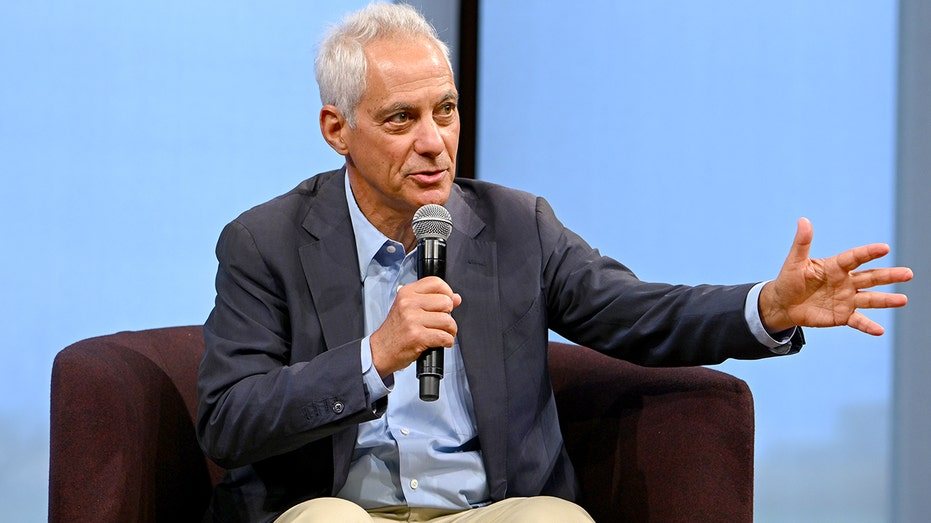
Former Chicago Mayor Rahm Emanuel said on Sunday that the United States is prepared to elect its first Jewish president, arguing that the more urgent question facing the country is a widespread loss of faith in America itself rather than the religious identity of any candidate.
Appearing on NBC's «Meet the Press,» Emanuel was asked by moderator Kristen Welker whether the country was ready for a Jewish president. He answered yes, then redirected the conversation toward what he described as a deeper crisis of confidence. «My faith is not your problem,» Emanuel said. «The fact that Americans have lost faith in America, that's our problem. And we should work on that because I've seen a generation of people with an emptiness who've lost faith in America because they think America lost faith with them. That's our problem. It's not my faith.»
Emanuel, who has served as a Democratic congressman, White House chief of staff under former President Barack Obama, U.S. ambassador to Japan under former President Joe Biden, and mayor of Chicago, has increasingly fueled speculation that he could seek the Democratic nomination in 2028. During the interview, he said he would not alter his religious identity for political gain and pointed to his record in government as evidence of how his faith shaped his approach to public service.
«If my faith is a problem for you, don't vote for me,» he said. «I'm not changing my faith. My faith led me to struggle and fight the insurance companies that were denying kids healthcare. My faith led me to take on a failed education system where we were known as the worst city, and I walked out, and we were the best city on education.» He added that his faith guided him to ensure American families had a government willing to confront powerful forces, whether pharmaceutical companies, insurance companies, or a failed educational bureaucracy.
Emanuel directly linked that message to a possible campaign, saying that restoring Americans' confidence in the country would become part of his mission should he enter the race. «If I decide to run, that is our collective mission, is to restore that faith,» he said.
The remarks drew a sharp response from Elizabeth Barcohana, chair of the California Republican Party's Subcommittee for Jewish Engagement, who dismissed Emanuel's comments in a Sunday statement. «He sounds pathetic,» she said.
The interview came just over a week after Emanuel discussed his presidential ambitions at the Texas Tribune Festival in Austin. Asked what separated him from a potentially crowded Democratic field, he pointed to three attributes: «Candor, authenticity and strength.» He said his experience across different levels of government meant he would know what to do immediately upon taking office, saying he «knows what to do on day one.» At the time, he had been openly considering a White House run as other Democrats also positioned themselves ahead of 2028.
Emanuel told Welker on Sunday that he believed Americans would ultimately judge a candidate beyond religion and reiterated that his own faith was not negotiable. «I believe in the goodness and the grace of the American people – but my, I will not change my faith,» he said.
His comments touch on a broader debate about religious identity in American public life. While the United States has never elected a Jewish president, Emanuel's argument frames the question as secondary to what he describes as a crisis of national confidence. He has previously warned that a new generation of Democratic socialists does not like America, a theme that aligns with his current emphasis on restoring faith in the country.
The exchange also highlights ongoing conversations about antisemitism and religious tolerance in American politics. Emanuel's willingness to address his faith directly, while insisting it should not be a political liability, places him among a small group of national figures who have confronted the question head-on. Whether his message resonates with Democratic primary voters remains an open question as the 2028 field begins to take shape.
5