Sociologist Gelu Duminică Criticizes Romanian Orthodox Church for Silence After Mock Funeral of Journalist Cristian Tudor Popescu
Sociologist Gelu Duminică has criticized the Romanian Orthodox Church for failing to react after supporters of Călin Georgescu staged a mock funeral for journalist Cristian Tudor Popescu. In an interview, Duminică warned that fascism cannot be defeated by telling people they are stupid, and he faulted the church for its silence. The incident has sparked a broader debate about violence, rhetoric, and institutional responsibility in Romania.
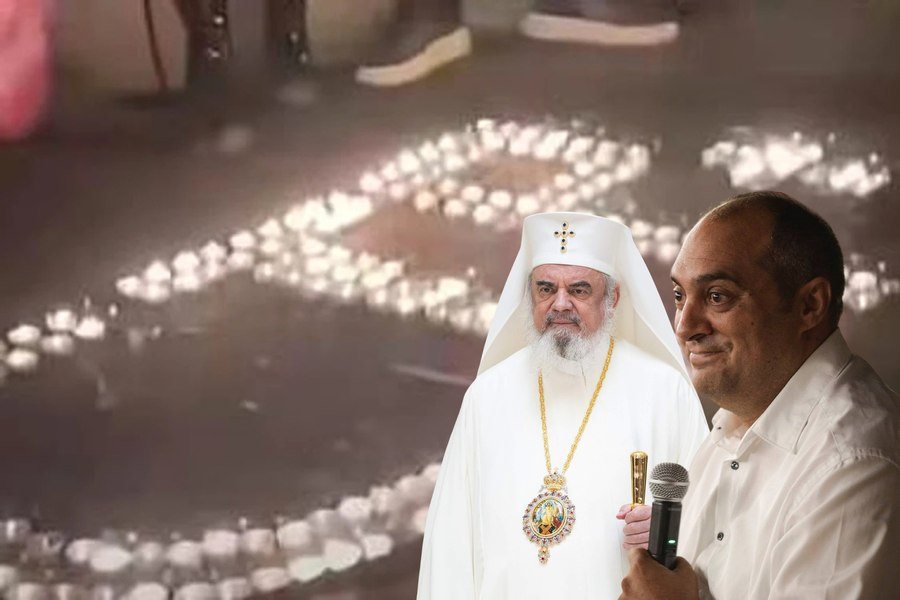
Sociologist Gelu Duminică has sharply criticized the Romanian Orthodox Church for its lack of reaction after supporters of Călin Georgescu staged a mock funeral, known in Romanian as a «prohod», for journalist Cristian Tudor Popescu. In an interview with the publication Adevărul, Duminică said the church's silence in the face of such a gesture is a serious failure of moral leadership. The incident has intensified public debate about the rise of extremist rhetoric and the responsibility of institutions to condemn violence and intimidation.
The mock funeral was organized by supporters of Georgescu, a controversial figure whose public statements and political following have drawn widespread attention. The action targeted Cristian Tudor Popescu, a well-known journalist and commentator. Duminică argued that such gestures are not isolated provocations but part of a broader pattern that requires a firm response from civic and religious authorities. He stressed that fascism cannot be defeated by telling people they are stupid, suggesting that condescension only deepens division and fails to address the roots of extremist appeal.
The sociologist also addressed the position taken by Dan Dungaciu, who condemned the act of violence but also appeared to offer excuses for it. Duminică's criticism of the church comes amid growing concern about the Orthodox Church's role in public life and its willingness to speak out on political and social issues. The church has not issued a public statement on the mock funeral, a silence that Duminică and other commentators see as a missed opportunity to reaffirm basic ethical norms.
The incident has resonated beyond Romania's borders, raising questions about how religious institutions should respond when their symbols and rituals are used to intimidate journalists and public figures. The mock funeral, a religious ritual normally reserved for the dead, was repurposed as a political weapon. Critics argue that such actions desecrate sacred traditions and exploit religious sentiment for partisan ends. The lack of a clear condemnation from church leaders has left many believers and observers wondering where the institution draws the line between pastoral neutrality and moral duty.
Duminică's remarks also touch on a wider debate about how to counter extremism in Romania and across Europe. He warned that simply labeling people as ignorant or foolish does not win them over and may push them further toward radical movements. Instead, he called for a more thoughtful approach that engages with the underlying grievances and fears that make extremist narratives attractive. His comments reflect a growing consensus among sociologists and civic leaders that democratic institutions, including churches, must actively defend pluralism and the rule of law.
The controversy surrounding the mock funeral and the church's silence is likely to continue as Romania grapples with political polarization and the legacy of its past. For now, Duminică's critique has added a powerful voice to the call for accountability and for a more robust response to acts that many see as an assault on democratic norms and human dignity.
5