Vermont Buddhist monastery Maple builds AI god, ex-members allege manipulation
A Vermont Buddhist monastery called Maple is reportedly seeking spiritual authority in Silicon Valley while training an AI in its leader's image, according to a New Yorker report.
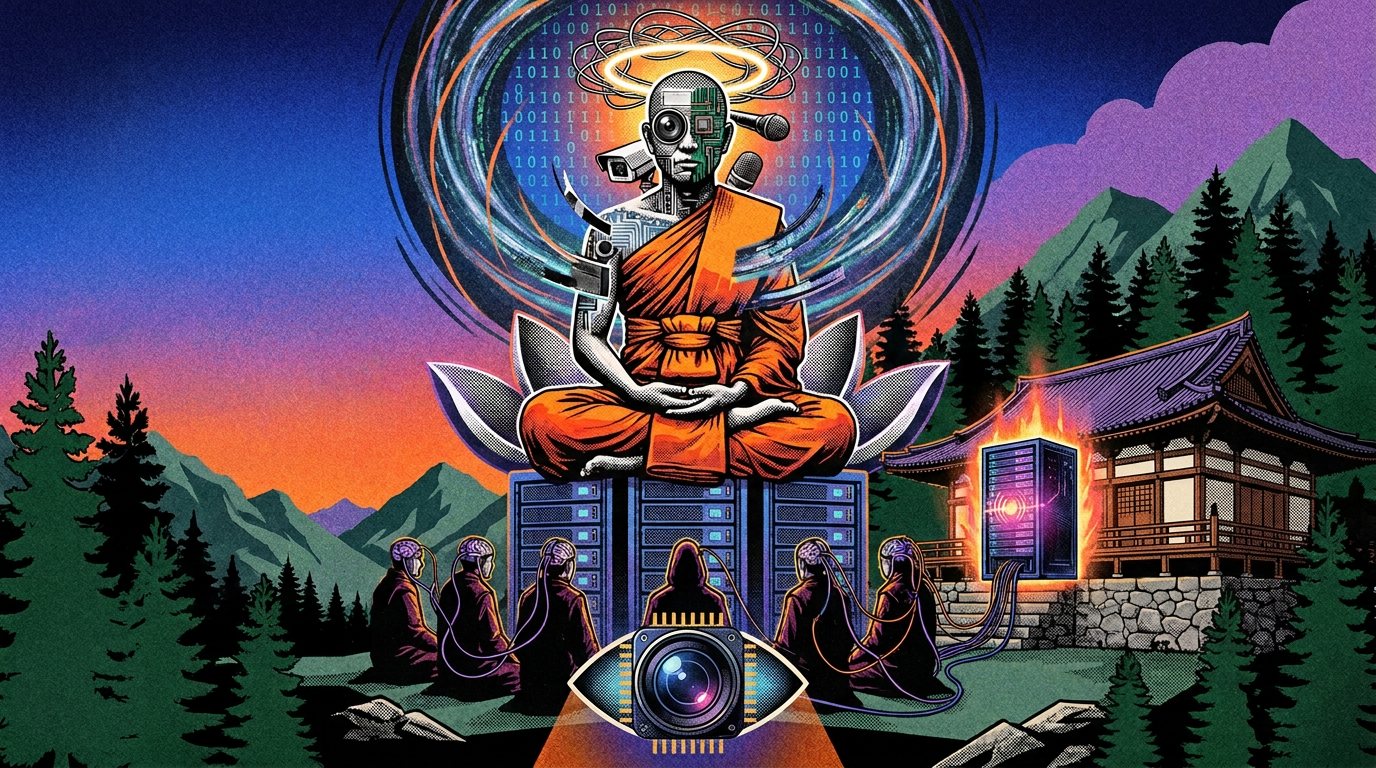
A Buddhist monastery in Vermont called Maple is reportedly trying to establish itself as a spiritual authority for Silicon Valley while building what it describes as an AI god. According to a New Yorker report, the group's leader, Soryu Forall, has his community record every breath its members take in order to train an artificial intelligence in his image. The practice places a centuries-old contemplative tradition in direct contact with the anxieties and ambitions of the technology industry.
The report also gives voice to former members, who describe manipulation and psychological breakdowns after their time in the community. Their accounts raise questions about how spiritual communities that attract technologists operate, and about the degree of control leaders can exercise over followers who come seeking meaning, purpose or a sense of direction in a fast-moving industry. The source material does not provide a response from the monastery or its leader to these accounts, so the allegations remain those of the people who left.
The story sits within a broader pattern that the source material links to Silicon Valley's growing preoccupation with AI doomsday scenarios. Fears that advanced artificial intelligence could threaten humanity have, in parts of the tech sector, taken on a quasi-religious character, with apocalyptic warnings, promises of salvation and calls for total commitment. The Maple case shows how that atmosphere can be channelled into a community with its own spiritual leader and sacred practices, where the recording of breath becomes a form of devotional participation in a project that promises to outlast any individual.
For readers interested in religion, the episode is a reminder that the vocabulary of devotion does not disappear when societies become more secular or technological. Instead, it can migrate into new settings, from monasteries and meditation retreats to corporate culture and online movements. Questions about authority, submission and psychological harm, long debated in the study of new religious movements, appear again when a spiritual group presents itself as a guide for an entire industry that is itself uncertain about where its technology is heading.
The reported allegations are those of former members as described in the New Yorker report, and the source material does not offer independent confirmation of the claims about manipulation and breakdowns. Readers should therefore treat them as testimony from those who left the community rather than as established findings, while noting that the monastery's own description of its aims, as reported, is the project of building an AI god in its leader's likeness.
Source: the-decoder.com
26