Air Conditioning Experts Say Running the Unit for Eight Hours Can Cost Around One Euro in Electricity
HVAC specialists explain that running an air conditioner continuously for eight hours may cost as little as one euro, challenging the common belief that turning the unit on and off saves money.
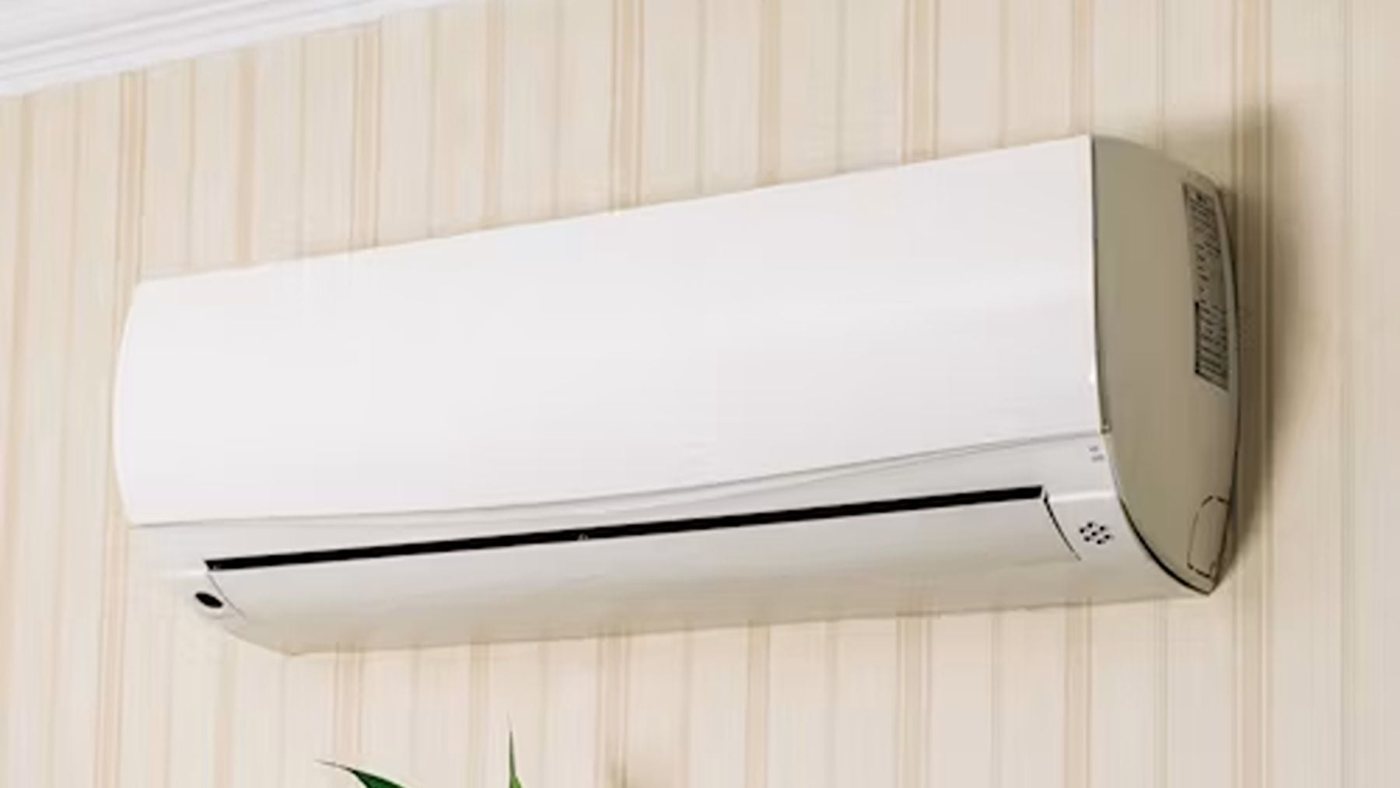
As summer temperatures soar, many households rely on air conditioning to stay comfortable, especially at night. A common concern is the potential spike in electricity bills from running the unit for extended periods. However, HVAC experts now suggest that leaving the air conditioner on for eight hours may cost as little as one euro, challenging the widespread belief that frequent on-off cycling reduces energy consumption.
Carlos Llull, an electrician and climate control specialist, has addressed this confusion by explaining how modern air conditioning units actually operate. According to Llull, the idea that turning the unit off and on again saves money is often misguided. He illustrates this with a typical scenario: arriving home to a room at 29 degrees Celsius and setting the thermostat to 24 degrees. The unit works hard to cool the space, but once the target temperature is reached, it automatically reduces its power output. If the unit is then switched off, the room gradually warms up again due to heat from walls, furniture, and the environment. When the unit is turned back on later, it must repeat the same intensive cooling cycle, which is the most energy-demanding phase.
Llull emphasizes that modern air conditioners do not consume the same amount of power throughout their operation. After reaching the set temperature, they lower their intensity and simply maintain the ambient conditions. This means the actual electricity consumption is significantly lower than many assume. For example, a 1,500-watt unit running for eight hours in a demanding scenario could cost approximately one euro in electricity. While this figure is not exact, it helps dispel the notion that overnight use leads to exorbitant costs.
The efficiency of air conditioning also depends heavily on the home's insulation. If a house allows heat to enter through windows or walls, the unit must work harder to compensate. Conversely, a well-insulated home retains cool air longer, reducing the workload on the air conditioner. Simple measures such as lowering blinds during peak sunlight hours, sealing drafts, and closing doors to unused rooms can significantly improve efficiency and lower energy use.
Experts advise that maintaining a stable temperature overnight is often more efficient than allowing the room to heat up and then cooling it from scratch. Setting the thermostat to a reasonable temperature—rather than an excessively low one—also helps balance comfort and cost. Each degree of difference can noticeably affect consumption. Using a unit with an automatic regulation feature can further optimize energy use, allowing households to enjoy a comfortable environment without a dramatic increase in their electricity bill.
In summary, the key to saving money on air conditioning is not necessarily turning it off and on repeatedly, but rather using it wisely. Proper insulation, sensible thermostat settings, and understanding how modern units operate can help consumers stay cool without breaking the bank. As heatwaves become more frequent, this knowledge is increasingly valuable for managing household expenses while maintaining comfort.
88