Climate Change Reshapes Bird Migration Routes, Report Finds Nearly Half of Species in Decline
A global report finds that nearly half of all bird species are declining due to human activity, with migratory birds suffering more than sedentary ones as warming temperatures stretch the main migration corridors.
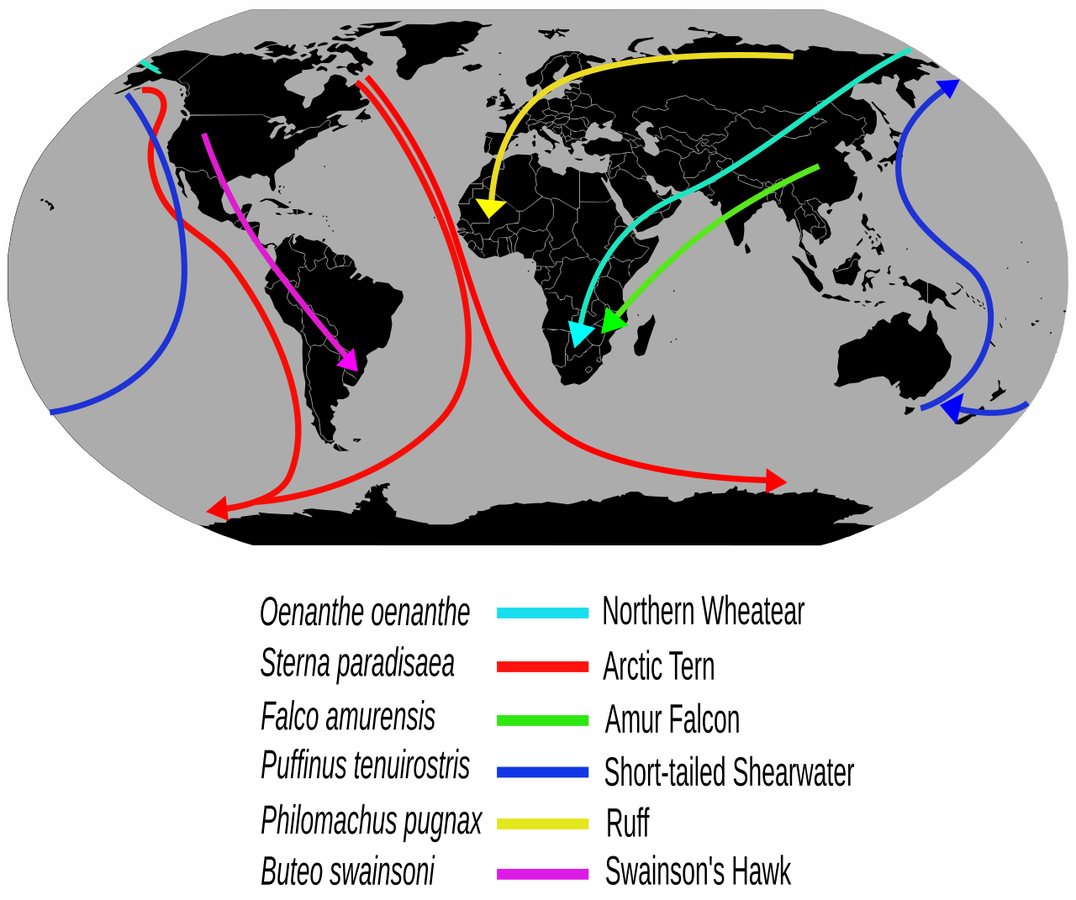
Nearly half of the world's bird species are in decline because of human activity, and the birds that make the long journey between north and south each year are faring worse than those that stay put, according to a global report. Climate warming, in particular, is lengthening the principal migration corridors that these species depend on.
The finding places migratory birds at the sharp end of a broader environmental shift. Unlike sedentary species, which can adapt to local conditions over time, long-distance migrants must complete a demanding annual circuit that spans continents and depends on a chain of stopover sites, feeding grounds and favourable winds. When that chain is disturbed, the consequences are felt across the entire route rather than in a single place.
Warming temperatures are altering the timing and geography of that circuit. As the climate shifts, the main migration corridors stretch, meaning birds may have to travel farther and for longer than before. The report attributes the pressure on bird populations to human activities more broadly, with climate change identified as one of the forces reshaping the routes themselves.
The distinction between migratory and sedentary birds is central to the report's findings. Sedentary species remain in one region year-round and can respond to gradual changes in their immediate surroundings. Migratory species, by contrast, are exposed to conditions in multiple regions at once, from their breeding grounds in the north to their wintering areas in the south, and to everything in between. A disruption at any point along that route can affect the whole population.
The report's estimate that close to half of all species are declining is a measure of how widespread the pressure has become. It is not confined to a handful of vulnerable birds or to a single habitat. The decline spans species that occupy different ecological niches and different parts of the world, suggesting that the causes are systemic rather than local.
For readers concerned with the relationship between human activity and the natural world, the findings raise questions that go beyond conservation policy. Migration is one of the most visible signs of the seasonal order that has long shaped agriculture, folklore and religious calendars. The arrival and departure of birds have marked the turning of the year in cultures across Europe and beyond, and the routes they follow have been observed and recorded for centuries.
A change in those routes is therefore not only a matter of biodiversity statistics. It alters a pattern that communities have relied on to read the seasons, and it does so gradually, making the shift easy to overlook from one year to the next. The report's global scope indicates that this is not an isolated phenomenon but a broad trend affecting species across many regions.
The findings also underline how climate change interacts with other human pressures. The report points to human activities as the driver of the decline, with warming adding a further burden by stretching the corridors that migratory birds must traverse. The combination leaves migratory species with less margin for error than their sedentary counterparts.
What the report does not offer is a simple remedy. The factors it identifies operate across borders and across seasons, which means that protecting migratory birds cannot be achieved by any single country acting alone. The routes themselves cross national boundaries, and the conditions that shape them are global.
For now, the report's central message is a warning about scale. Nearly half of all bird species are declining, and the long-distance travellers are among the most affected. As the climate continues to warm, the corridors they follow are growing longer, and the annual journey that defines their lives is becoming harder to complete.