French research continues its decline in international competition
A study by the Observatoire des sciences et techniques shows France has slipped in six indicators based on scientific publications and citations between 2005 and 2024.
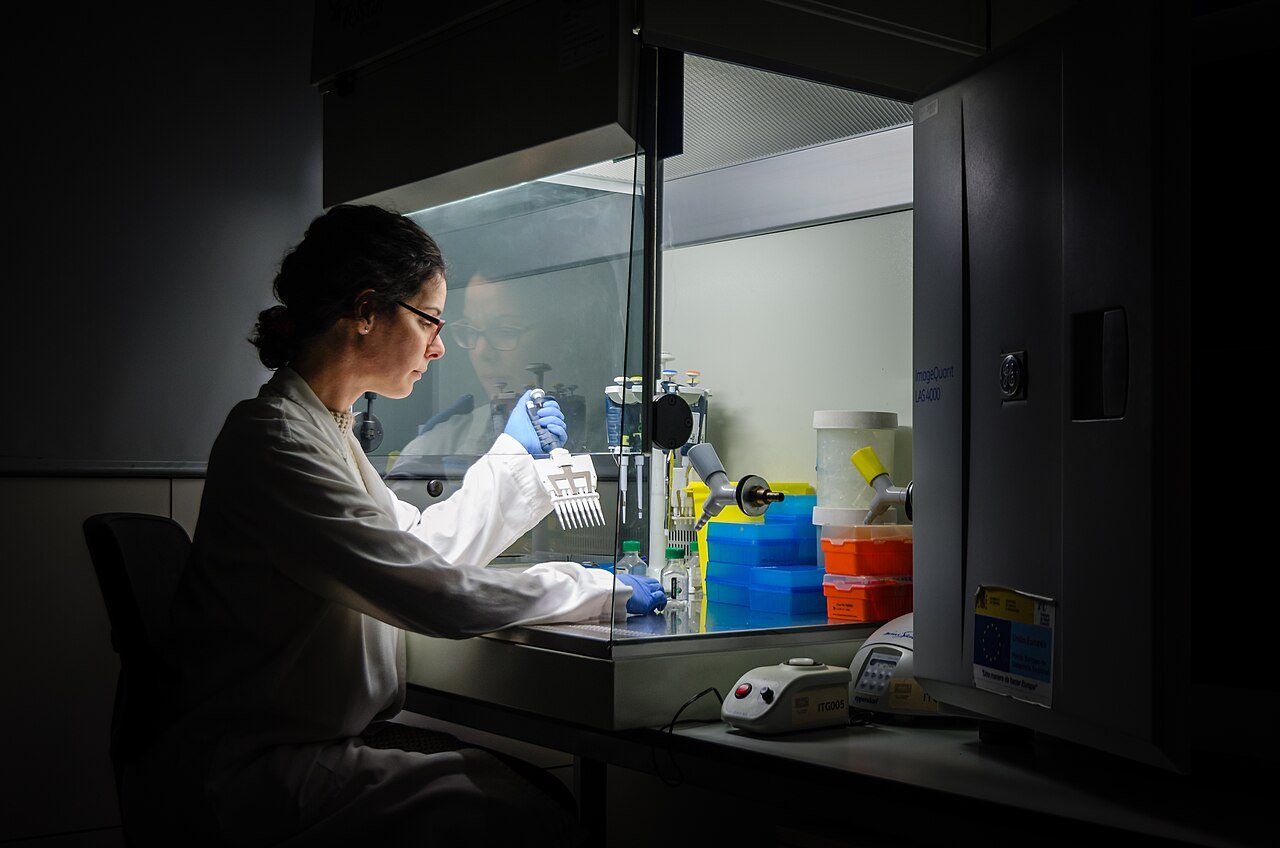
France's position in global scientific competition continues to erode, according to a new study from the Observatoire des sciences et techniques (OST). The analysis, covering the period from 2005 to 2024, shows the country has fallen back in six key indicators based on publications and citations in scientific journals, signaling a persistent structural weakness in the national research system.
The OST, a body attached to the French Ministry of Higher Education and Research, measures the production and influence of scientific work through bibliometric data. Its latest report tracks France's share of world publications, the visibility of those publications through citations, and the country's standing among the most-cited scientific papers. In all six indicators examined, France recorded a decline over the two-decade period, a trend that researchers describe as a continued decoupling from the leading nations in science.
The study highlights that France's share of global scientific output has shrunk while countries such as China, India, and South Korea have expanded their presence in international databases. The erosion is particularly visible in the natural sciences and engineering, where competition has intensified. Even in fields where France historically maintained a strong reputation, such as mathematics and physics, the relative weight of its publications has diminished, although the absolute number of papers produced by French researchers has not collapsed.
Citations, a measure of how often other researchers reference a country's work, also point to a loss of influence. French publications are increasingly cited less frequently than those of its main competitors, a sign that the country's research is having a weaker impact on the global scientific conversation. The OST report notes that this trend is not uniform across all disciplines, but the overall trajectory is clear: France is losing ground in the race for scientific leadership.
The findings come at a time when public debate in France has focused on the future of research funding and the attractiveness of academic careers. The government has announced initiatives to boost innovation and support young researchers, but the OST data suggest that reversing the decline will require more than incremental measures. Structural issues, including the fragmentation of research organizations, administrative burdens, and relatively low salaries for early-career scientists, are often cited by experts as factors that push talented researchers to leave the country or abandon academic careers altogether.
The report also places France's trajectory in a European context. While the European Union as a whole faces challenges in maintaining its position against the rapid growth of Asian research powers, France's decline is steeper than that of several comparable countries, including Germany and Switzerland. These nations have managed to stabilize or even increase their share of highly cited publications, suggesting that national policies can make a difference.
For the French scientific community, the OST study is a warning that the country's historical strengths are not enough to guarantee its future standing. The erosion of bibliometric indicators, while not the only measure of scientific health, is closely watched by policymakers, university administrators, and international partners. Without a sustained effort to improve the conditions of research and to attract and retain talent, the report implies, France risks becoming a secondary player in the global scientific landscape.
68