National Geographic and Rolex film highlights hopeful signs for the world's oceans
A National Geographic and Rolex expedition documentary narrated by Auliʻi Cravalho presents reasons for optimism about threatened ocean ecosystems, drawing on Southern Ocean research.
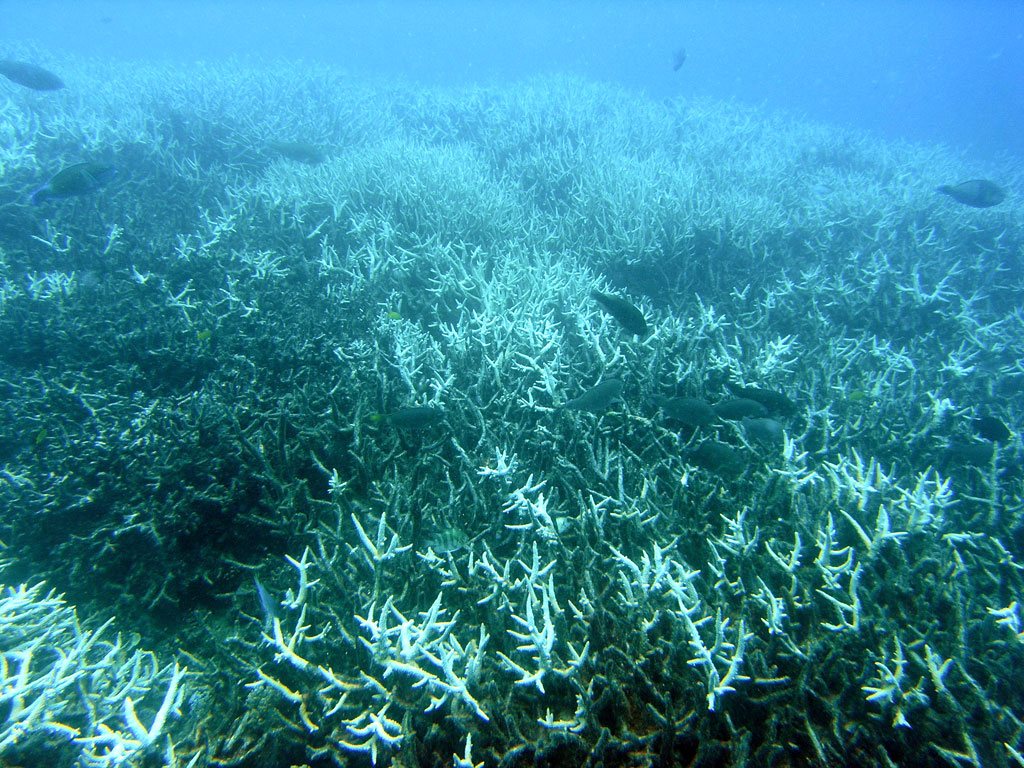
National Geographic and Rolex are presenting a short film arguing that, despite serious threats to the world's oceans, there are concrete reasons for optimism about their future. The piece accompanies the documentary series #ExpeditionSavingOurSeas, which is now streaming on Disney+ and Hulu and is narrated by actress Auliʻi Cravalho.
The production opens from a clear premise: the oceans face many threats, but the work of National Geographic and the Rolex Perpetual Planet Explorers gives people reasons to be hopeful. The message is deliberately measured. Rather than presenting a single breakthrough or event, the film points to the ongoing scientific effort to understand how marine environments are changing and what can be done about it.
The project is part of a partnership between the National Geographic Society and Rolex on select science-based expeditions designed to explore, study and document change in the planet's unique regions. Under the Rolex Perpetual Planet Explorers initiative, the two organisations focus on documenting environmental shifts and the research being carried out to understand them. The partnership is built around expeditions rather than one-off announcements, so the documentation follows scientists into the field over time.
Footage featured in the film was taken during the National Geographic and Rolex Perpetual Planet Southern Ocean Expedition. That voyage was carried out in collaboration with the Schmidt Ocean Institute and used the institute's research vessel Falkor. The Southern Ocean, which surrounds Antarctica, is among the least explored and most climate-sensitive marine environments on Earth, and the expedition's footage is meant to show scientific observation taking place in that remote setting. The production team's presence aboard a working research ship is central to the film's approach: it shows the study of the ocean as something happening in real time, not only as a conclusion reached later.
The film's narration by Auliʻi Cravalho gives the documentary a voice aimed at a broad, younger audience alongside the expedition material. The series is positioned within National Geographic's wider storytelling on oceanography, wildlife and the planet's hidden environments, and it is distributed through the streaming platforms named in the campaign, Disney+ and Hulu.
Beyond the film itself, the material is promoted through National Geographic's subscription channels, which offer unlimited access to its stories, photography and magazines. The campaign presents ocean conservation as a matter of sustained scientific study and public attention. In that framing, the documentary is one contribution to an effort that depends on research funding, expedition work and audiences willing to follow the findings over the long term.
Source: youtube.com
41