Bourton-on-the-Water residents face reader backlash over tourism restrictions
Residents of the Cotswolds village want coaches banned and visitors charged to ease overtourism, but readers say the village cannot reject the tourists it relies on.
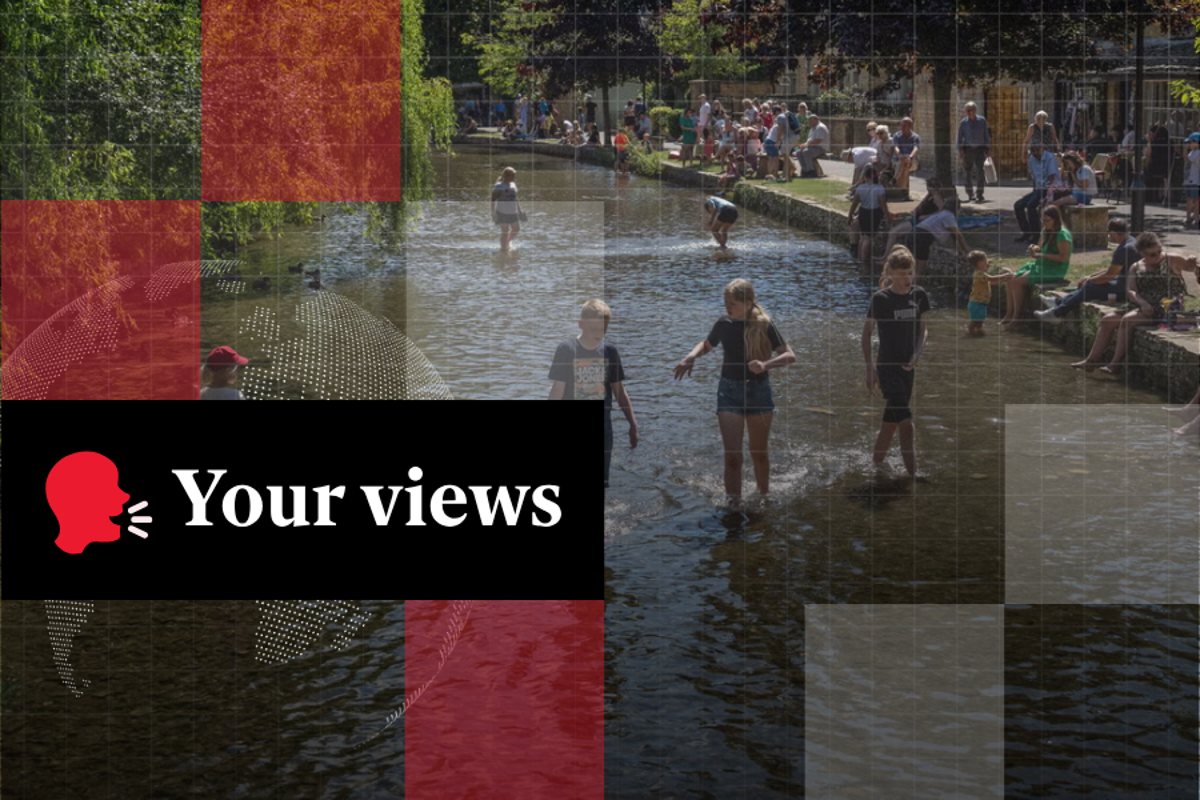
Residents of Bourton-on-the-Water, a scenic village in the Cotswolds, are facing a wave of public criticism after proposing a tougher line on tourism, including a ban on coaches and charges for visitors. Readers responding to the debate accused locals of wanting to keep the benefits of tourism while rejecting its drawbacks, summarising their frustration with a blunt phrase: «They can’t have it both ways.»
The village has long been a magnet for day-trippers, and its popularity has now reached a point where some residents say their daily lives are being disrupted by crowds, traffic and noise. In an effort to prevent what they describe as a slide towards «Blackpool-on-the-Water» status, they have called for measures such as banning tour coaches from narrow streets and introducing a charge for tourists who visit the village.
The proposal has sharply divided opinion. On one side are residents who say the character of the village is being damaged by mass tourism, with pavements packed, parking spaces impossible to find and the peaceful atmosphere replaced by the bustle of a seaside resort. On the other side are readers who argue that Bourton-on-the-Water owes much of its prosperity to visitors. Shops, cafés, tearooms and hotels depend on tourist money, they point out, and a village cannot expect to remain a popular destination while turning its back on the visitors who keep the local economy alive.
Some of the sharpest criticism came from people who believe the village has benefited from its reputation for years. They noted that Bourton-on-the-Water is frequently listed as one of the most beautiful villages in England, and that tourism has helped sustain jobs and businesses in an area where rural employment can be limited. Against that background, the demand for coach bans and visitor charges appeared to many readers as an attempt to have things both ways: enjoy the income and attention that tourism brings, then complain when the crowds arrive.
Others were more sympathetic, acknowledging that popular tourist destinations across Britain face genuine pressure. The Cotswolds is an Area of Outstanding Natural Beauty, and its villages were never designed for the volumes of visitors they now receive. Narrow streets, limited parking and fragile riverbanks are easily overwhelmed during school holidays and warm weekends. For people who live there, the constant flow of visitors can make everyday tasks such as shopping, collecting children from school or simply walking the dog feel like an expedition.
At the same time, some readers questioned how a coach ban or tourist charge could be put into practice. The village is open, with no obvious boundary or checkpoint, and a significant share of visitors arrive by car over roads shared with local traffic. Enforcing an entry fee would require new infrastructure, and a ban on coaches could have unintended consequences, including making the village less accessible to elderly visitors, disabled travellers and school groups. Critics also warned that charging visitors would do little to reduce numbers unless the money was used to improve parking, public transport and facilities.
The argument over Bourton-on-the-Water reflects a wider debate playing out in tourist hotspots throughout the United Kingdom and across Europe. Communities from Cornwall to the Lake District, and from Venice to Dubrovnik, are wrestling with the same dilemma: how to welcome visitors without losing the character that made them worth seeing in the first place. In Bourton-on-the-Water, the clash between local frustration and reader opinion suggests that the search for a solution is only just beginning.