Educators and researchers call for nationwide climate first aid training
As summer 2026 brings heatwaves, drought and wildfires, education activists and academics in France are urging society-wide training in climate first aid, starting with young people.
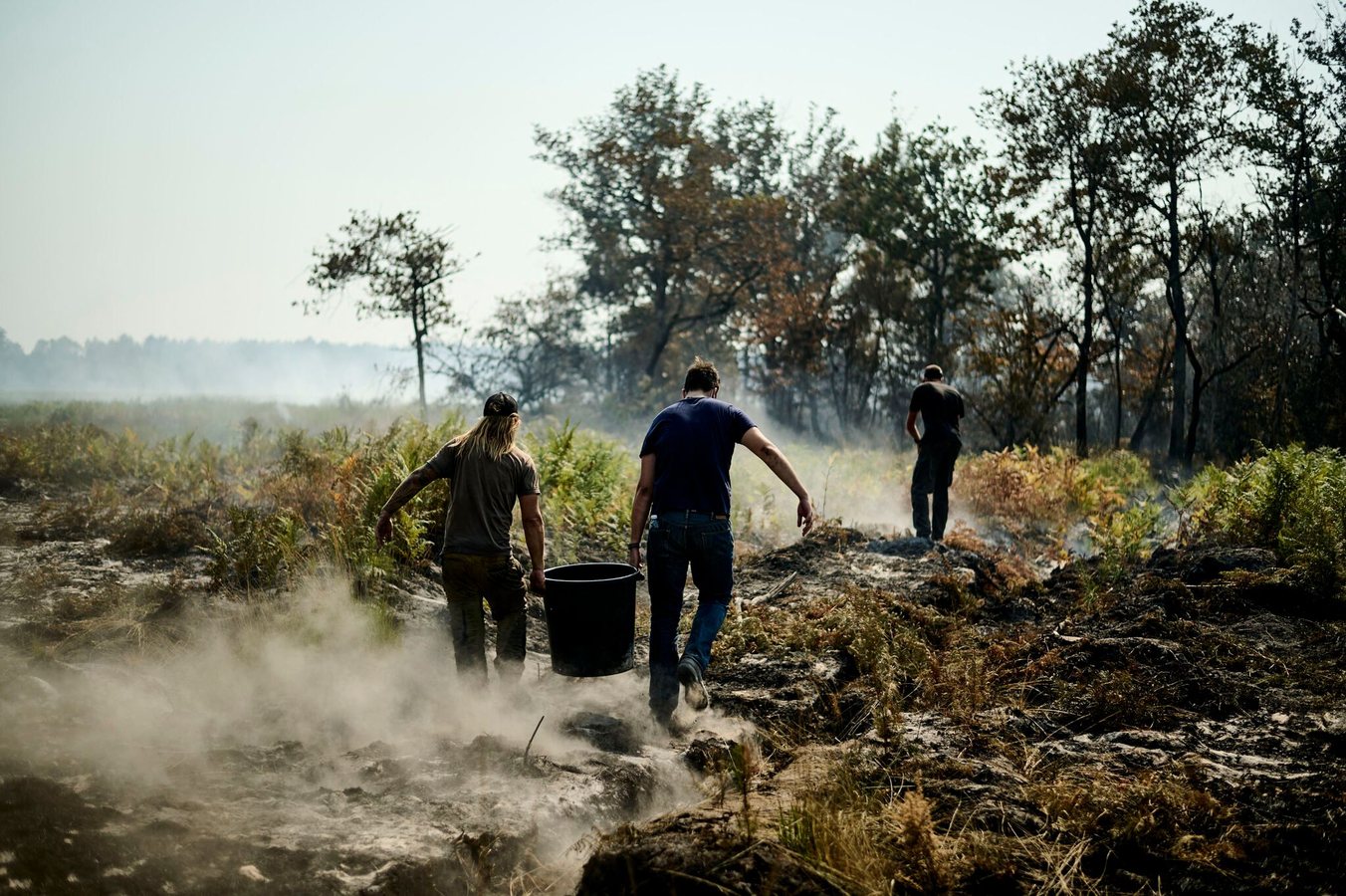
Unusually intense heat, prolonged drought and wildfires have marked the summer of 2026, prompting a growing number of education activists and academics to argue that responding to climate emergencies must become a basic skill for everyone. Their call goes beyond emergency services and specialised responders, aiming instead at what they describe as widespread training in climate first aid for the whole of society, beginning with the youngest generation.
The summer months have confirmed what many researchers now describe as a decisive shift in the climate. Repeated heatwaves have strained daily life, while dry conditions have fuelled fires and put pressure on water resources. According to those behind the appeal, the scale of these events shows that citizens cannot remain passive spectators. Just as first aid training became a standard part of public preparedness for accidents and health crises, the same logic should now be applied to climate-related disasters.
Representatives of popular education movements and university researchers are behind the initiative. They want to see dedicated modules introduced in schools, youth organisations and community settings, so that children and teenagers learn how to react during heatwaves, drought periods and fire risks. The idea is not to train young people as professional responders but to give them the confidence and basic knowledge needed to protect themselves and others when extreme weather strikes.
The appeal comes at a moment when European countries are revising their strategies for coping with a warmer climate. Discussions in France have already touched on adapting schools and public buildings to high temperatures, but the new proposal places the emphasis on people rather than infrastructure. By integrating climate first aid into education and civic life, its supporters argue, society as a whole becomes more resilient and better prepared for the likely recurrence of such events in the coming years.
For the signatories, the urgency is both practical and cultural. They note that the effects of climate change are no longer distant projections but observable realities, and that each new summer makes this clearer. Against this backdrop, they see training as a way to turn anxiety into action and to make solidarity during disasters a normal part of community life.
The initiative also raises the question of how such training could be organised. Educators involved in the project suggest that it could draw on existing structures, including schools, leisure centres, youth clubs and voluntary associations, all of which already play a role in public education. Researchers add that the content should be adapted to different age groups, with practical exercises complementing theoretical knowledge.
As Europe continues to experience the consequences of rising temperatures, the demand for climate first aid training reflects a broader change in public attitudes. Citizens are increasingly seen not just as victims of extreme weather but as actors capable of responding effectively when disasters occur. The appeal launched this summer aims to make that capacity universal.