Kevin Keegan, England Football Legend, Dies at 75 After Cancer Battle
Kevin Keegan, the former England captain and Newcastle United icon, has died at the age of 75 following a battle with stage four stomach cancer, prompting tributes from across the football world.
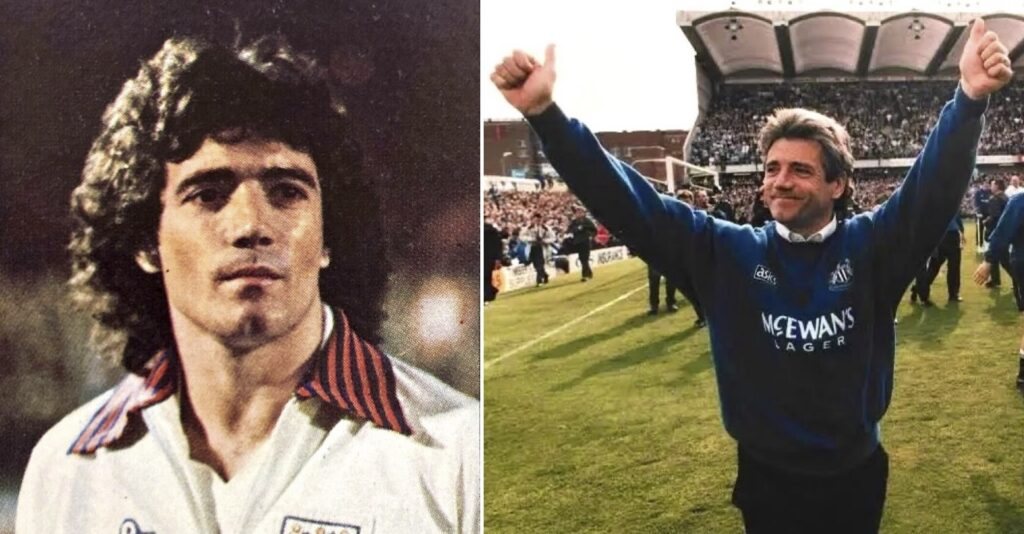
Kevin Keegan, one of English football's most celebrated figures, has died at the age of 75 after a battle with stage four stomach cancer. The former England captain and Newcastle United legend passed away surrounded by his family, his representatives confirmed. The news has prompted an outpouring of tributes from across the football community, with fans, former teammates, and clubs honouring his extraordinary contribution to the sport.
Keegan was diagnosed with the illness in January after being admitted to hospital with persistent abdominal issues. He underwent treatment while continuing to maintain a positive outlook, but his condition deteriorated in recent weeks. His family paid a heartfelt tribute, describing him as a beloved husband, father, and grandfather who brought joy to millions through his football career.
Born in Doncaster in 1951, Keegan rose from humble beginnings to become one of the most recognisable faces in world football. He began his professional career at Scunthorpe United before moving to Liverpool in 1971, where he achieved legendary status. During his time at Anfield, he won three First Division titles, two UEFA Cups, and the European Cup in 1977, establishing himself as a dynamic forward with an relentless work ethic and an eye for goal.
After leaving Liverpool, Keegan enjoyed a successful stint at Hamburg in Germany, where he won the Bundesliga and was twice awarded the Ballon d'Or as Europe's best player, in 1978 and 1979. He later played for Southampton and Newcastle United, where he became a cult hero. His playing career also included 63 appearances for England, 21 of them as captain, and he scored 21 international goals, representing his country at two European Championships and the 1982 World Cup.
Following his retirement as a player, Keegan transitioned into management with notable success. He took charge of Newcastle United in 1992, leading the club from the second tier to the Premier League and mounting a memorable title challenge in the 1995-96 season, where his attacking philosophy earned widespread admiration. He later managed Fulham, Manchester City, and the England national team from 1999 to 2000, where he oversaw a period of transition and continued to shape the game.
Tributes have poured in from across the football world. Liverpool FC released a statement calling Keegan «a true legend of our club and the game, whose passion and talent inspired generations.» Newcastle United described him as «the heart and soul of our club's modern era, a player and manager who gave everything for the black and white shirt.» Former England teammate Gary Lineker said on social media: «Devastated to hear about Kevin. He was a hero to so many of us and a wonderful man. Rest in peace, Keegan.»
Fans have left flowers and scarves outside St James' Park and Anfield, while clubs across the country observed a minute's silence before weekend matches. The Football Association also paid tribute, highlighting his role as a captain and manager who embodied the spirit of English football. His legacy extends beyond trophies; Keegan was known for his infectious enthusiasm, his commitment to attacking football, and his ability to connect with supporters on a personal level.
Keegan is survived by his wife Jean, whom he married in 1975, and their two daughters. The family has requested privacy as they grieve, but have expressed gratitude for the overwhelming support from the public. A private funeral is expected to be held in the coming days, with a public memorial service planned later this year to allow fans to pay their respects.
The death of Kevin Keegan marks the end of an era for English football. His influence on the game, both as a player and a manager, remains profound, and his name will forever be associated with the golden age of the sport in the 1970s and 1980s. As one fan wrote outside St James' Park: «He wasn't just a footballer; he was our hero.»
68