When a restaurant becomes a gatekeeper of public space
The Italian McDonald’s security debate raises a moral question about dignity, order and the limits of private authority in spaces used by both customers and vulnerable people.
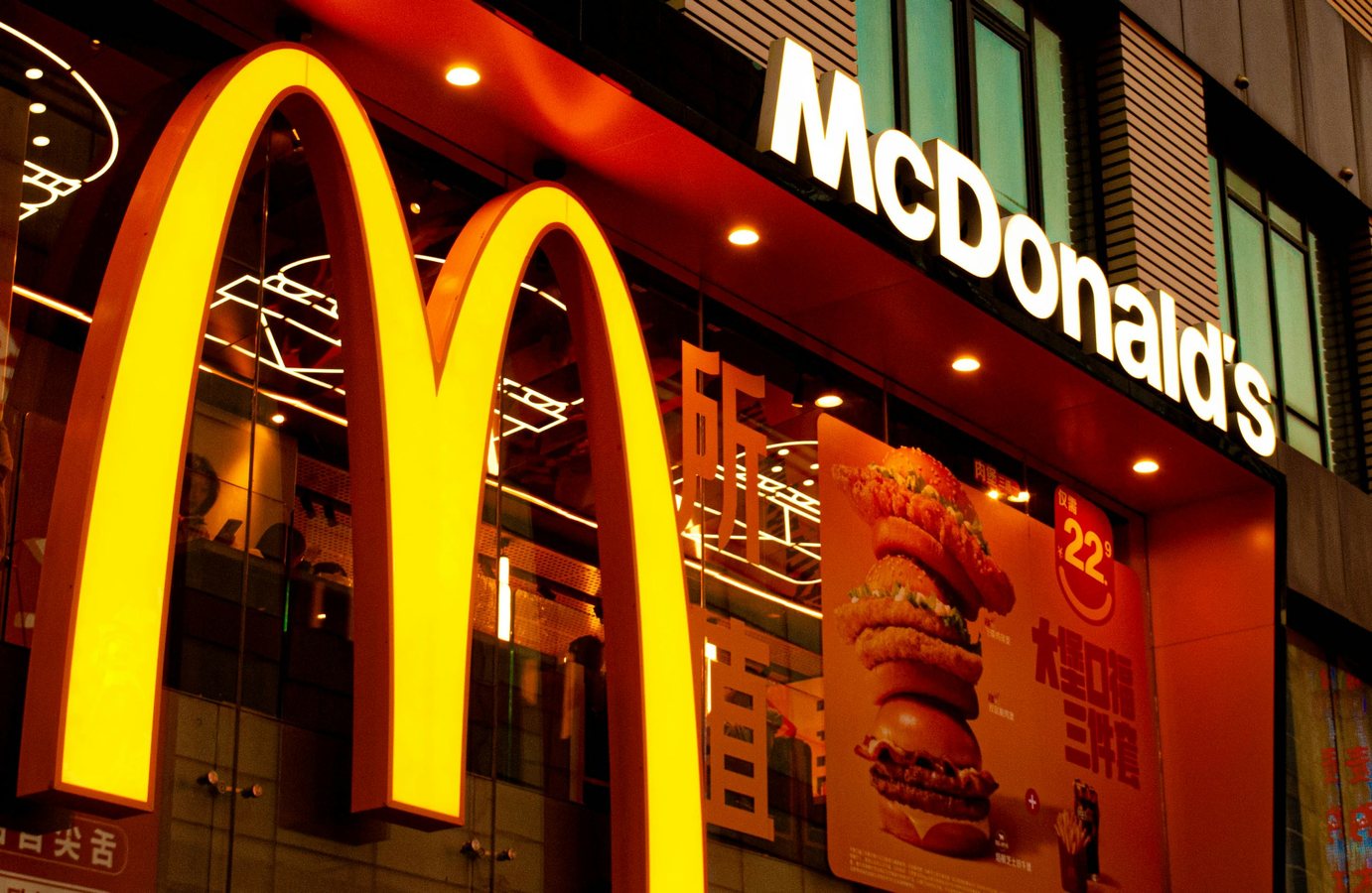
A fast-food restaurant is not a church, a shelter or a public square, yet in a large city it can quietly serve elements of all three social functions: a place to sit, to wait, to use a bathroom, to escape heat or cold and to encounter strangers. That ambiguity sits at the center of MAIR’s Italian publication Ascensio report “Guardie e mendicanti nei McDonald’s italiani.” The investigation found no evidence for a viral claim that African guards are deliberately hired to control other Africans. It found instead a harder moral problem about who belongs in a privately owned space that is widely used as if it were public.
Several customer reviews from Milan describe security staff, receipt checks and controlled restroom access. One reviewer in 2025 described a man perceived as African who insisted that a purchase be made before the bathroom could be used. The complaint is easy to read as a dispute about courtesy, but beneath it is a question about rights and obligations.
Those questions become sharper when begging is involved. A review from Piazza Garibaldi in Naples said two security workers were present while diners were still repeatedly approached for money. To a paying customer, that may feel like a failure to provide a peaceful environment. To the person asking for help, the restaurant may simply be one of the few warm, populated places where assistance is possible.
The moral stakes are not abstract. In Milan in 2017, ANSA reported, citing police, that a group described as North African had occupied tables and disturbed customers. A manager asked a security guard to remove them. A customer who spoke in support of the guard was stabbed during the confrontation.
There is therefore a legitimate case for protection. Workers have a right to finish a shift without facing violence. Customers should not be threatened. A business cannot be expected to function as an unlimited social-service center. Yet the use of private force carries its own obligations. Rules must be clear, interventions proportionate and human dignity preserved.
Frosinone’s 2026 security protocol points toward a less personal and potentially more accountable model. The arrangement between the prefecture and McDonald’s includes surveillance, lighting, staff training and rapid contact with law enforcement. Training can prioritize de-escalation; cameras can create accountability; police involvement can place coercive authority back with public institutions.
The franchise structure complicates the picture. McDonald’s says more than 90 percent of its Italian restaurants are operated by franchisees. Local owners therefore confront local realities and may use different security arrangements. But a global brand also communicates shared values.
This is also why the ethnic version of the story should be treated cautiously. It turns human beings into symbols: one African man becomes “the guard,” another becomes “the problem.” Without evidence of an ethnic hiring strategy, that framing risks obscuring the real moral choices.
The deeper issue is how a society distributes responsibility for shared urban life. When public spaces are uncomfortable, under-resourced or unsafe, people move into commercial ones. The restaurant then becomes an improvised gatekeeper. Italy’s McDonald’s cases are a small but revealing example of a much larger European question: how to maintain order without treating vulnerability as a threat.
70