Chinese chipmakers and cloud providers cut off as US export curbs tighten
Stricter US export controls on AI chips are hitting Chinese tech firms from two sides, as chip shipments stop and overseas cloud access disappears.
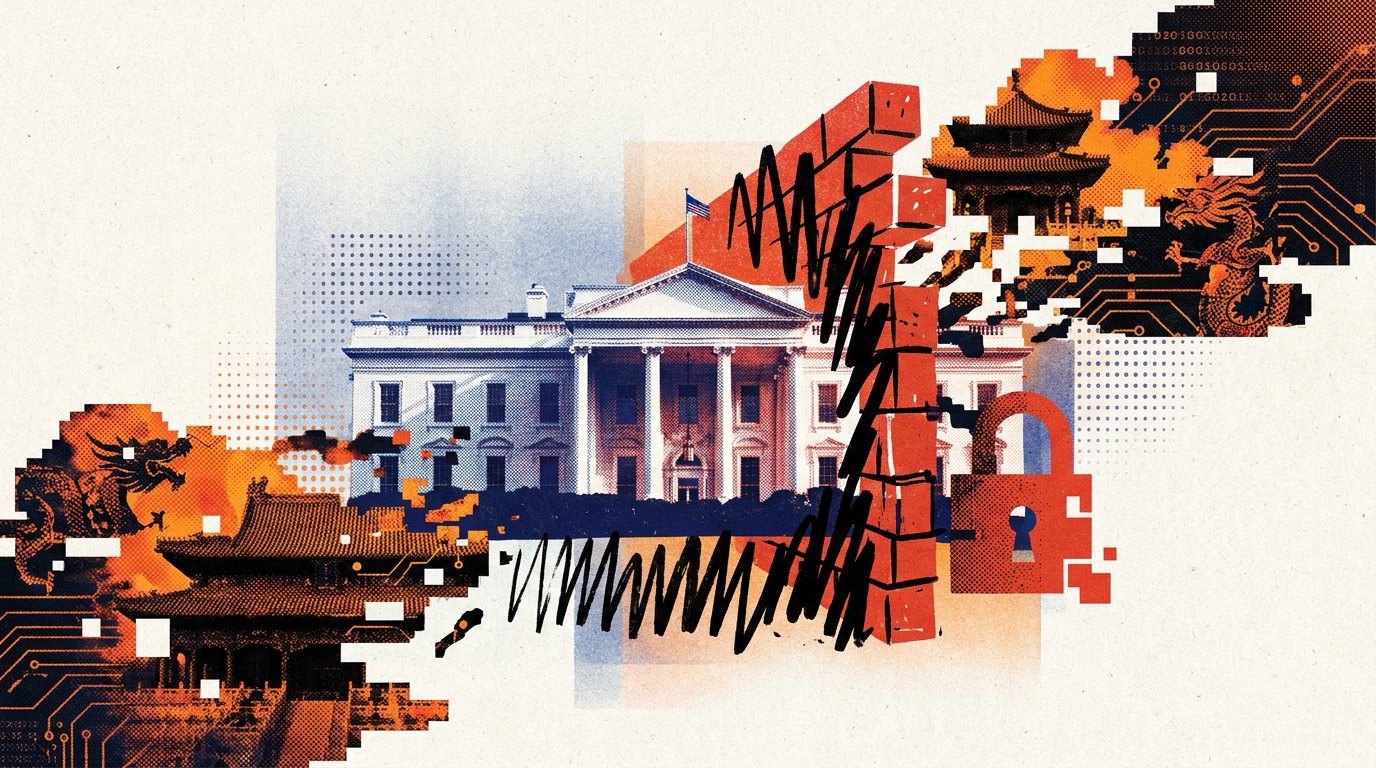
Stricter United States export controls on artificial intelligence chips are hitting Chinese technology companies from two directions at once. Global chipmakers have stopped shipping to Chinese customers, while overseas cloud computing access that Chinese firms relied on is also disappearing. Together, the measures threaten the computing capacity that Chinese AI developers need to train and run their models.
The pressure is already visible in deal-making. According to the report, Moonshot AI walked away from a $150 million agreement in Indonesia, a sign of how quickly the restrictions are changing what Chinese companies can build and where they can build it. The decision shows that the consequences extend beyond China's borders, affecting international partnerships that Chinese firms had been pursuing to expand their computing capacity.
The supply side is equally affected. TSMC and Samsung, two of the largest manufacturers of advanced semiconductors, have halted shipments to Chinese customers, removing a key source of the hardware on which AI systems depend. Because advanced chips are produced by only a handful of manufacturers, the decision by two of the most important players leaves Chinese buyers with few alternatives for obtaining the processors needed to build large models.
A separate New York Times investigation raised a more serious allegation. It found that Alibaba had routed Nvidia chips to Chinese military researchers through a network of front companies. The finding points to the difficulty of enforcing chip restrictions when hardware can be moved through intermediaries, and it adds a security dimension to a dispute that has so far been framed mainly in commercial terms. It also suggests that the export controls are aimed not only at preventing sales but at closing the routes through which restricted hardware could reach sensitive end users.
For Chinese tech firms, the combined effect is a double blow. Losing access to physical chips limits what they can build at home, while losing overseas cloud access removes an alternative route to computing power. Companies that depended on either channel now face a narrower set of options. The timing suggests the restrictions are tightening faster than many firms had anticipated, leaving less time to adjust supply chains, renegotiate contracts or find substitute infrastructure.
The developments underline how central computing power has become to the competition between Washington and Beijing over artificial intelligence. Chips and cloud capacity are now treated as strategic resources, and access to them shapes which companies can train advanced models and how quickly they can bring products to market. For the Chinese industry, the immediate question is how much capacity can be replaced domestically, and at what cost, while the restrictions remain in force.
Source: the-decoder.com
35