In India, Workers Train A.I. by Capturing Human Movement on Camera
In India, a growing number of workers are strapping cameras to their bodies to record human motion, providing essential data for training artificial intelligence systems in robotics and related fields.
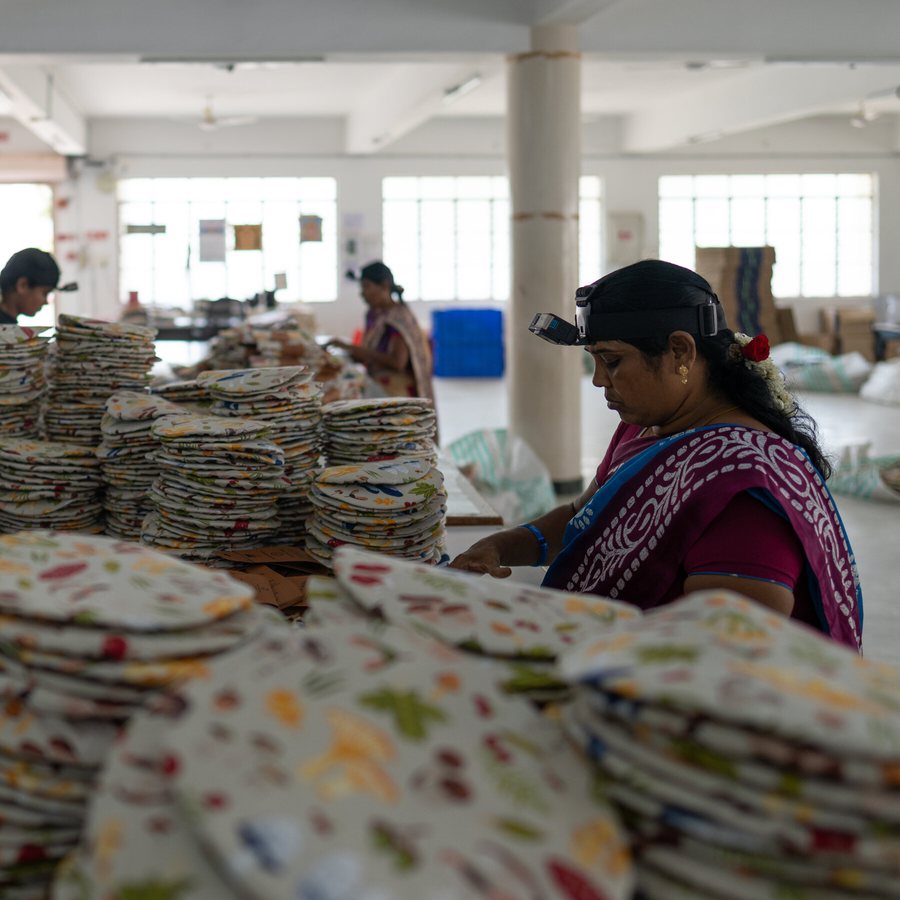
In India, a new kind of job is emerging at the intersection of artificial intelligence and robotics: human movement data collectors. These workers strap cameras to their bodies and go about their daily routines, capturing how people walk, reach, bend, and interact with their surroundings. The footage they record becomes training data for A.I. systems, helping machines understand and replicate the nuances of human motion.
The work is part of a broader trend in which A.I. development relies heavily on human labor to label, annotate, and generate the data that powers machine learning models. While much attention is focused on algorithms and computing power, the human effort behind data collection remains largely invisible. In India, where a vast workforce is available for such tasks, this niche occupation is growing as companies seek to improve the physical capabilities of robots and other automated systems.
Workers in this field often come from diverse backgrounds, including those with no formal technical training. They are hired to wear camera-equipped harnesses or helmets and perform everyday activities—walking through markets, climbing stairs, carrying objects, or even performing specific gestures—while the cameras record their movements from a first-person perspective. This data is then processed and used to train A.I. models in tasks such as object recognition, spatial navigation, and human-robot interaction.
The demand for such data has increased as robotics companies aim to build machines that can operate safely and effectively in human environments. For example, a robot designed to assist in a warehouse or a hospital must understand how people move to avoid collisions and perform tasks collaboratively. By learning from real human motion, these systems can become more adaptable and responsive.
However, the work is not without challenges. The physical demands of wearing equipment for long hours, the need for precision in capturing specific movements, and the relatively low pay compared to other tech jobs are among the concerns raised by workers and labor advocates. Yet, for many, it offers an entry point into the A.I. economy, providing income and skills that might otherwise be inaccessible.
This development also raises broader questions about the future of work and the ethical implications of using human labor to train A.I. systems. As machines become more capable, the very jobs that support their learning may be automated, leading to a paradox where the workers who enable A.I. progress could eventually be displaced by it. For now, though, the role of the human movement data collector remains a vital, if underappreciated, part of the A.I. supply chain.
In India, this occupation is part of a larger landscape of data work that includes content moderation, data labeling, and transcription. The country has become a hub for such tasks due to its large English-speaking population and relatively low labor costs. As the global demand for A.I. training data continues to grow, the number of workers involved in these roles is likely to expand, making the human element of A.I. development more significant than ever.
69