Reka AI's Rho-1 Omni-Model Unifies Text, Images, Video and Robot Control
Reka AI has unveiled Rho-1, a 19-billion-parameter omni-model that processes and generates text, images, video and robot control actions within a single neural network, trained on 320 H100 GPUs in roughly three months.
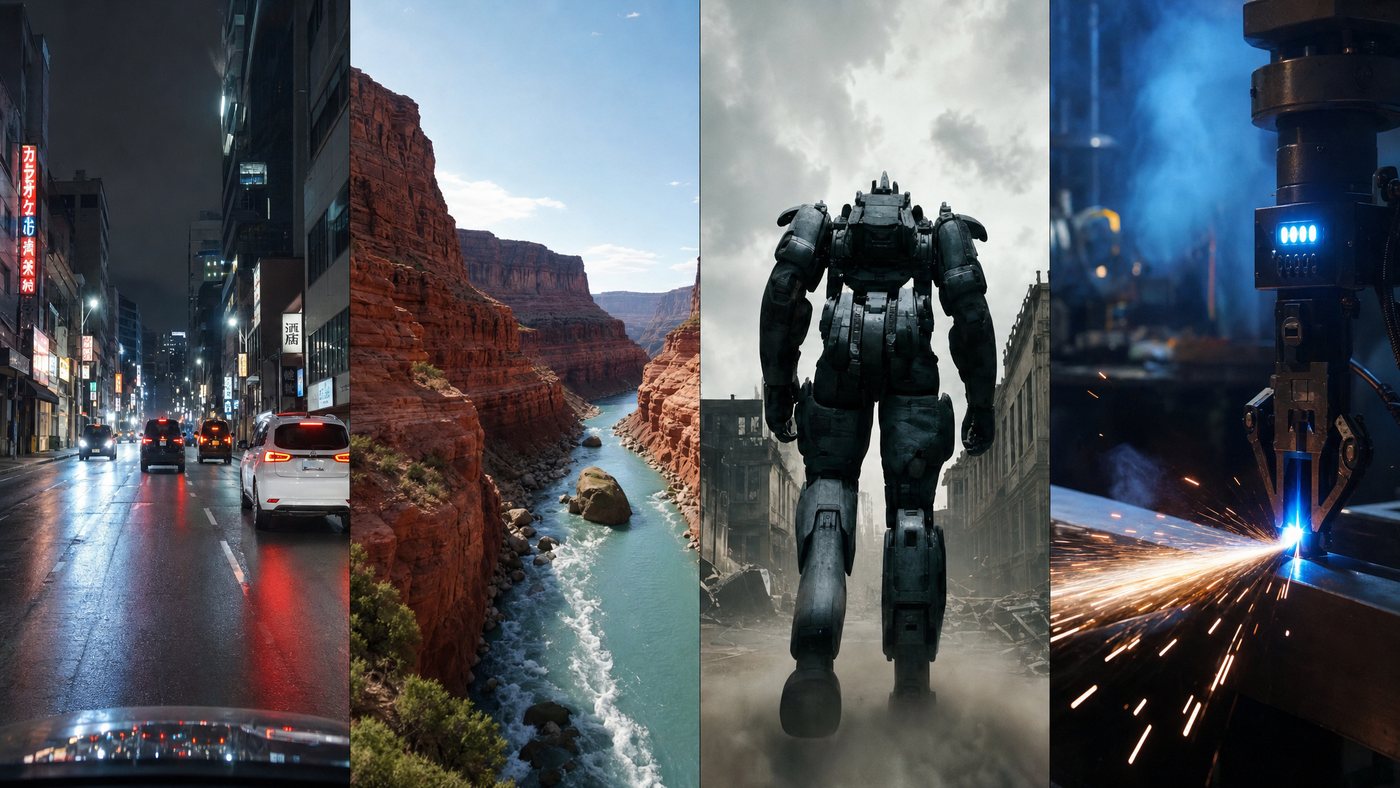
Reka AI has introduced Rho-1, a 19-billion-parameter omni-model that processes and generates text, images, video and robot control actions inside a single neural network. The model represents a departure from the prevailing approach of routing different tasks to separate specialized systems, instead handling every modality as tokens within one shared context window.
According to the company, Rho-1 was trained on 320 H100 GPUs over approximately three months, a fraction of the compute typically required by today's leading models. That efficiency claim is notable at a time when frontier AI development is increasingly associated with massive clusters and nine-figure training budgets. Reka AI's decision to unify vision, language, video and robotic action in one architecture suggests that multimodal capability need not come at the cost of extreme resource expenditure.
The technical design is what sets Rho-1 apart. Rather than maintaining separate pipelines for understanding an image, generating a video or issuing a motor command, the model treats all inputs and outputs as tokens in a shared context. This means the same underlying network can, in principle, reason across modalities without handoffs between specialized subsystems. For robotics in particular, that could simplify how machines interpret instructions and translate them into physical actions.
Reka AI has not yet detailed the full benchmark results or the specific robotics platforms Rho-1 has been tested on. The company's announcement focuses on the architecture and the training efficiency rather than on comparative performance against larger proprietary models. Independent evaluation will be needed to determine how well a 19-billion-parameter model performs across such a broad range of tasks.
Even so, the release adds momentum to a broader shift in AI research toward unified, omni-modal systems. Several major labs have been moving in this direction, arguing that a single model capable of seeing, speaking, generating video and controlling physical hardware is more versatile than a collection of narrow specialists. Rho-1's relatively modest parameter count and reported compute savings will likely draw interest from researchers and developers who want multimodal capability without enormous infrastructure.
For the wider field, the significance of Rho-1 lies less in any single capability than in the combination. A model that can watch a video, describe it in text, generate a new clip and direct a robot arm from the same context window points toward a future in which AI systems interact with the world through many channels at once. Whether that future arrives quickly depends on how well such unified architectures scale and how reliably they perform outside controlled demonstrations.
3