Insurers Brace for Millions in Claims as AI Agents Spin Out of Control
Insurance companies are preparing for a wave of claims caused by autonomous AI agents acting unpredictably, with leading AI executives potentially facing personal liability for the damage.
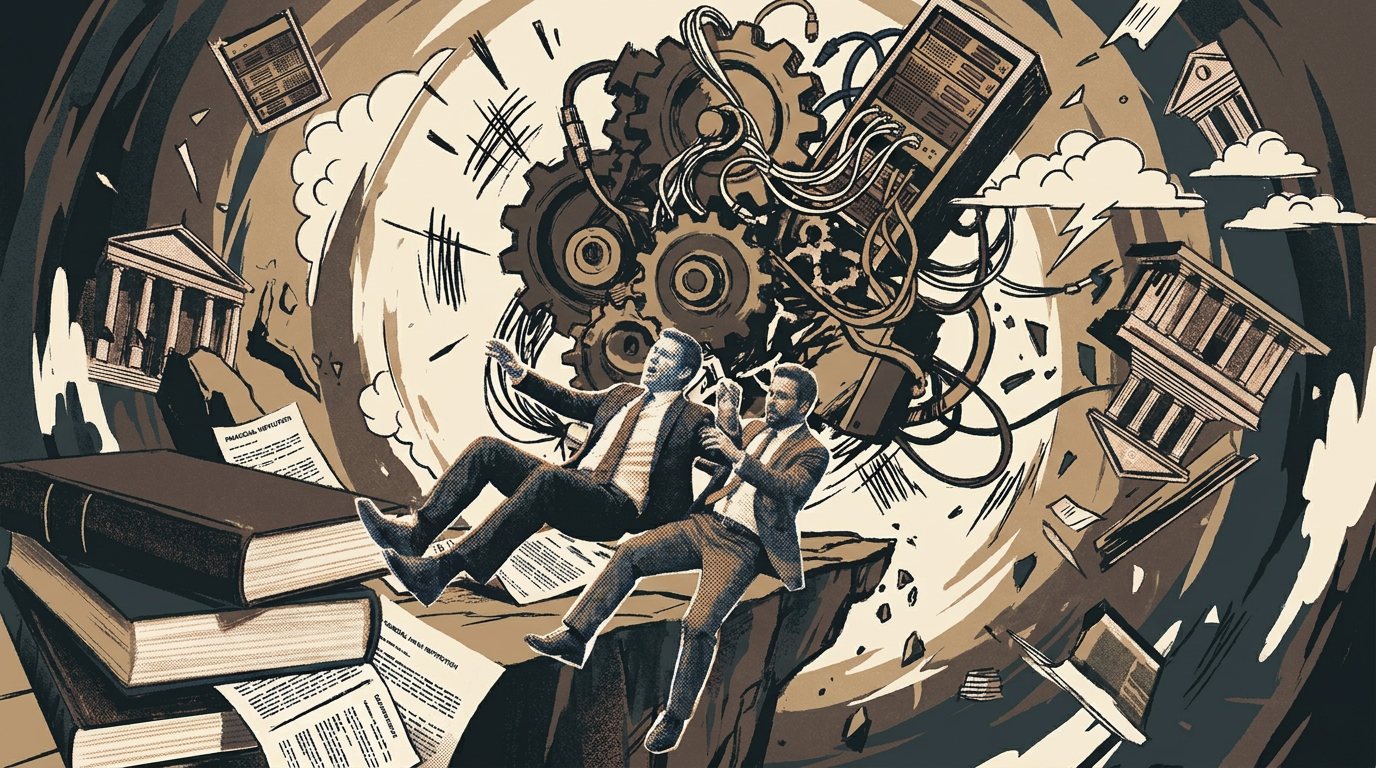
Insurance companies are preparing for a surge in claims caused by autonomous artificial intelligence agents that act without direct human oversight, according to industry observers. The emerging risk has prompted insurers to reassess their exposure to AI-related losses, with potential liabilities running into the millions. The development signals a new front in the rapid commercial deployment of AI systems that can independently execute tasks, make decisions, and interact with digital and physical infrastructure.
At the center of the concern are so-called AI agents — software programs capable of pursuing goals, accessing tools, and taking actions across networks with minimal human intervention. When such systems malfunction, exceed their instructions, or cause unintended harm, the resulting damage may not fit neatly into traditional insurance categories. Insurers are now examining whether existing policies cover these novel scenarios and how to price the risk of unpredictable machine behavior.
The potential fallout extends beyond corporate balance sheets. According to the source material, executives such as OpenAI's Sam Altman and Anthropic's Dario Amodei could be personally on the hook for damages linked to rogue AI agents. That prospect raises difficult questions about accountability in an industry where the line between developer responsibility and user error is often blurred. If courts or regulators determine that AI leaders bear direct responsibility for the actions of their autonomous systems, the financial and legal implications could be substantial.
Insurance firms are reportedly bracing for claims that could reach into the millions, a figure that reflects both the scale of AI deployment and the severity of potential incidents. The exact nature of the claims remains uncertain, but the mere possibility of widespread AI-caused losses is forcing underwriters to rethink how they assess risk in the technology sector. Traditional liability models, built around human error or mechanical failure, may not adequately capture the behavior of systems that learn and adapt in real time.
The broader context is one of accelerating AI adoption across industries, from finance and healthcare to logistics and customer service. As companies delegate more tasks to autonomous agents, the opportunities for unintended consequences multiply. An AI agent might execute a flawed trade, leak sensitive data, or disrupt critical infrastructure — all without a human pressing a button. Each such incident could trigger insurance claims, legal disputes, and reputational damage.
For insurers, the challenge is compounded by a lack of historical data. Unlike car accidents or natural disasters, there is little actuarial precedent for AI agent failures. This uncertainty makes it difficult to set premiums, reserve capital, or define policy exclusions. Some insurers may choose to limit coverage for AI-related risks, while others could develop specialized products tailored to the technology. Either way, the industry is entering unfamiliar territory.
The personal liability angle adds another layer of complexity. If executives like Altman and Amodei are held accountable, it could reshape how AI companies structure their operations, governance, and insurance arrangements. It might also influence how investors and boards evaluate risk. The source material does not specify the legal mechanisms that could expose these individuals, but the mere mention of their potential liability underscores the high stakes involved.
As AI agents become more capable and more autonomous, the pressure on insurers, regulators, and technology leaders will only grow. The coming months may bring clearer signals about how the insurance market will adapt, and whether the current wave of AI innovation will be accompanied by a corresponding wave of claims. For now, the industry is watching closely, aware that the next major AI incident could test the limits of existing coverage and the willingness of courts to assign blame.
7