Italian City Launches Interactive Map to Combat Fourth Heatwave
As Italy faces its fourth heatwave with 11 cities on red alert, Naples has introduced an interactive digital map of climate shelters to help residents find relief from temperatures approaching 40 degrees Celsius.
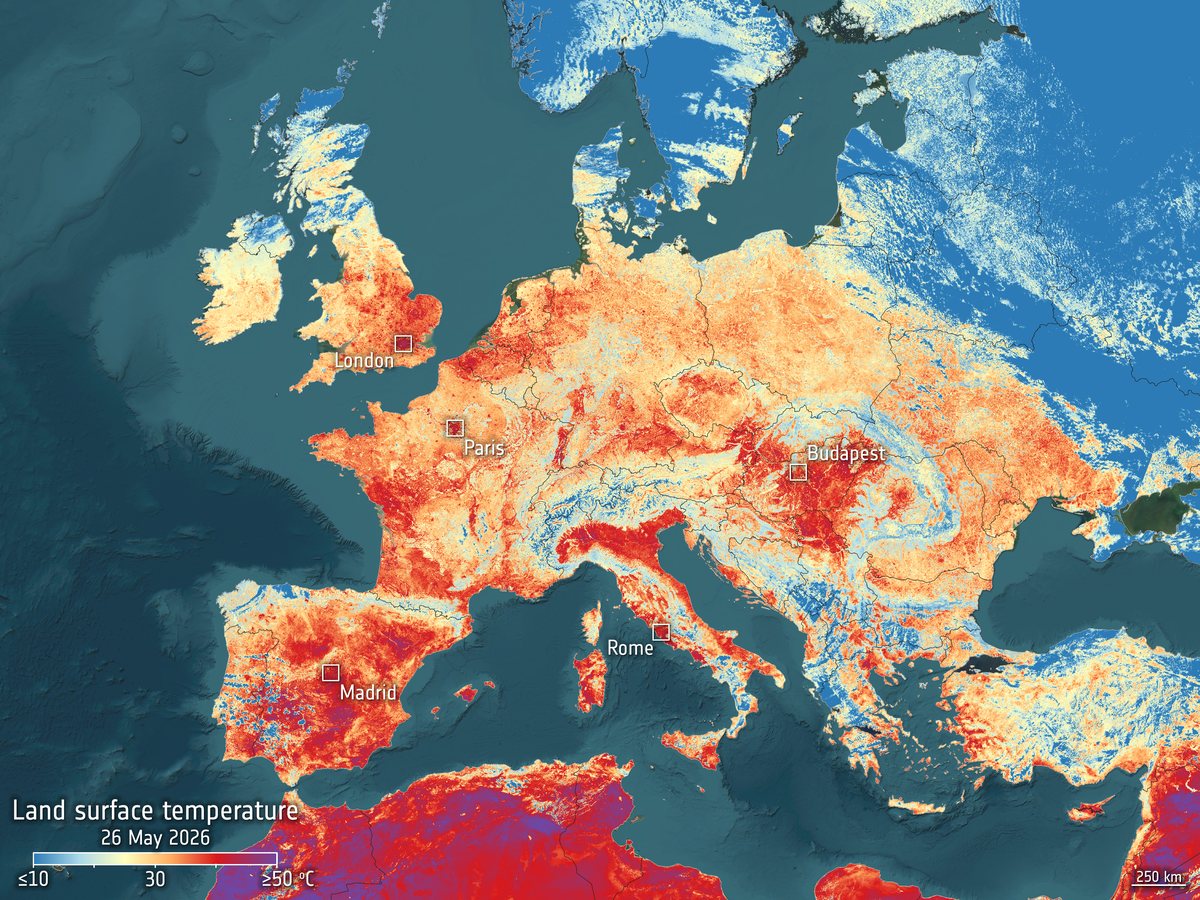
Italy is bracing for its fourth heatwave of the summer, with temperatures expected to approach 40 degrees Celsius in several cities over the next week. As the heat intensifies, the city of Naples has turned to technology to help its residents cope, launching an interactive digital map that identifies public parks, tree-lined avenues, and water fountains where people can find respite from the scorching conditions.
The heatwave, driven by a Saharan air mass, is forecast to last at least seven days, with some predictions extending to ten days. On Friday, July 31, 11 Italian cities are expected to be under a red alert, including Bolzano and Campobasso. Even at altitudes above 1,500 metres, temperatures are projected to reach between 22 and 24 degrees Celsius, far above typical summer norms for those elevations.
Naples, currently under an orange alert, has taken a proactive approach by creating what it calls a map of «rifugi climatici» or climate refuges. This digital tool, accessible via smartphones and computers, marks parks, shaded boulevards, and public water fountains where residents and visitors can cool down. The initiative highlights how local governments are increasingly using digital platforms to address public health challenges posed by extreme weather events.
The red alert designation indicates a high risk to public health, particularly for vulnerable groups such as the elderly, children, and individuals with pre-existing medical conditions. Health authorities are advising people to stay indoors during the hottest hours of the day, drink plenty of water, and use air conditioning or fans. The prolonged nature of this heatwave, which shows no sign of abating quickly, has raised concerns about its cumulative impact on hospitals and emergency services.
Italy has experienced a series of heatwaves this summer, each bringing record or near-record temperatures. The current wave is expected to push perceived temperatures up to 44 degrees Celsius in some areas, due to high humidity. In addition to the heat, forecasters have warned of possible «heat thunderstorms» as moist air collides with the hot surface, potentially bringing sudden but brief downpours.
Other cities across the country are expected to follow Naples' example, deploying digital tools to assist citizens. The widespread adoption of such technology reflects a broader trend of using data visualization and real-time mapping to improve urban resilience against climate extremes. While the heatwave itself is a weather event, the response increasingly relies on digital innovation, from alert systems to interactive maps.
Experts note that as global temperatures rise, heatwaves are becoming more frequent and intense, making such technological solutions essential for public safety. The interactive map in Naples is part of a larger effort to create a network of cool spots that can reduce the risk of heatstroke and other heat-related illnesses. City officials have emphasized that the map is updated regularly and includes information about opening hours of public buildings that serve as cooling centers.
The fourth heatwave serves as a stark reminder of the challenges posed by climate change, but also of the potential for technology to mitigate its worst effects. By providing accessible, real-time information, cities can help residents make informed decisions about when and where to seek relief from extreme heat.