OpenAI Says GPT-6 Astra Designed Codex Hardware Device in Under a Week
OpenAI's hardware team used the GPT-6 Astra model to design a device for the Codex coding agent, from the enclosure to the firmware. Several rounds of revisions were required before production.
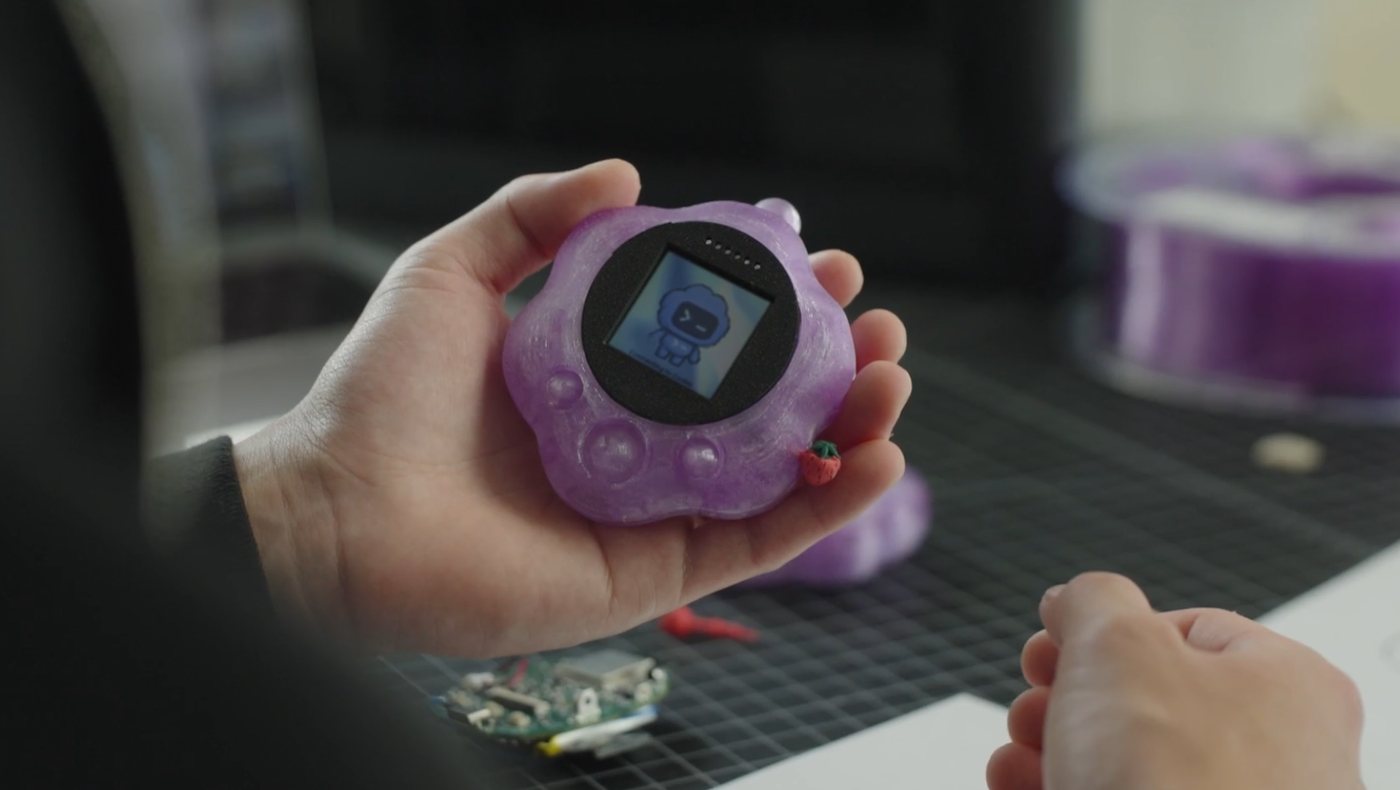
OpenAI says it used the GPT-6 Astra model to design a hardware device for the Codex coding agent. According to the company, its in-house hardware team needed less than a week for this. According to OpenAI, the design covered all essential components, from the housing construction through the circuit board to the firmware.
The process shows how far AI models are now meant to reach into technical development work. According to the available information, the device was not merely a conceptual sketch but a product that was prepared for manufacturing. The course of the project is particularly revealing, because the path to production readiness was not straightforward.
According to the company, several rounds of revisions were necessary before series production. The reason: the model did not always sufficiently account for manufacturing tolerances. Tolerances are the permissible deviations in dimensions and components during production. In hardware development, they determine whether a design can actually be manufactured and reliably assembled. The designs therefore had to be readjusted before they could go into production.
In parallel, OpenAI points out that a newer internal model performs significantly better on the company's own engineering benchmark. The company has not yet disclosed details. Neither the criteria of the benchmark nor the exact performance difference or a possible release date are known.
For readers in Germany and Europe, the case is relevant because it fuels the debate about the use of AI in product development. Whether hardware designs produced by AI systems can in the future be reliably implemented without extensive human rework remains open. The account is based on the company's own statements; no independent verification is available.
The development fits into a broader trend in which AI systems are increasingly meant to shape not only software but also physical products. Whether OpenAI's example remains an isolated case or marks the beginning of wider use cannot be assessed on the basis of the information available.
Source: the-decoder.com
2