Study Finds Few US Consumers Pay for AI, but Top Spenders Pay Nearly $900 Monthly
Andreessen Horowitz's latest Top 100 AI list reveals that while nearly half of US consumers use AI tools, only 4.5 percent pay for subscriptions. The top one percent of paying users spend about $900 per month, primarily on professional development and automation tools.
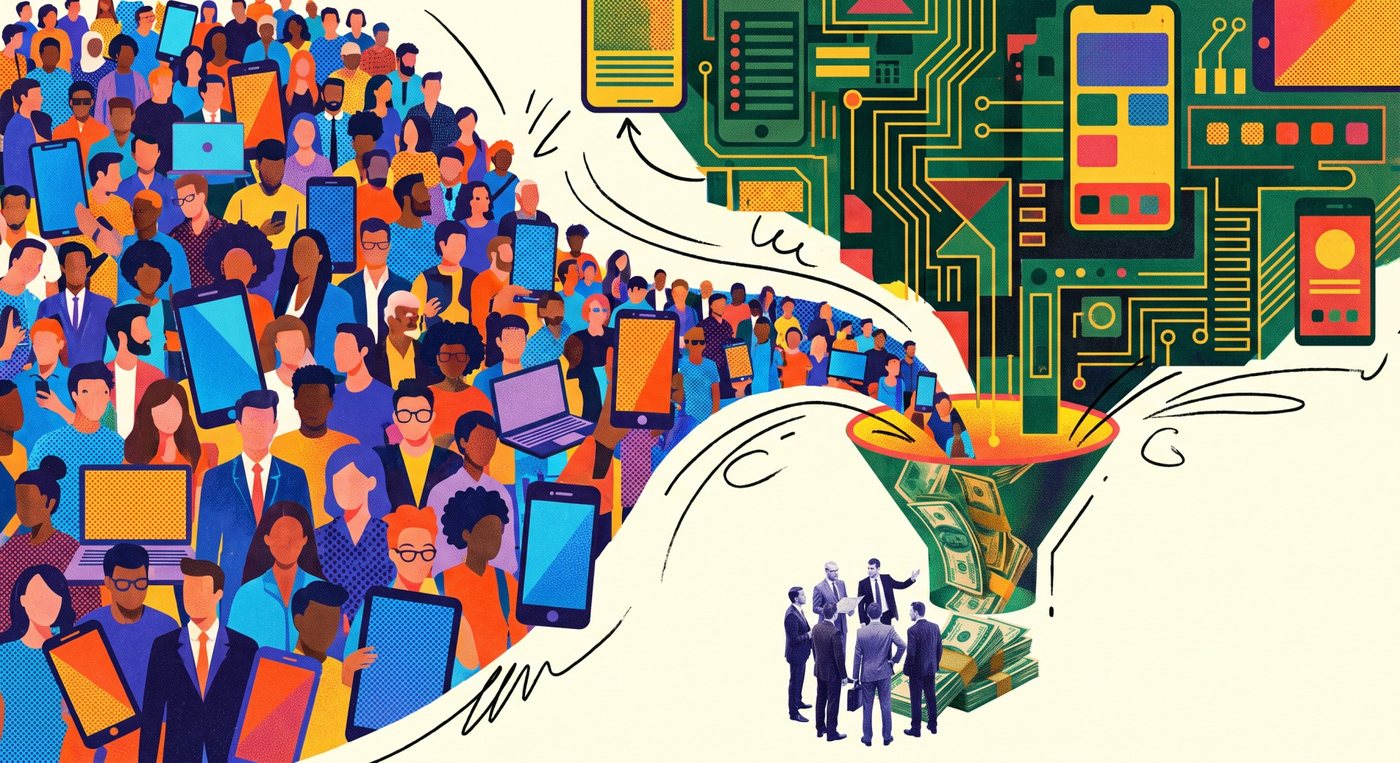
Nearly half of all consumers in the United States now use artificial intelligence tools, yet only a small fraction are willing to pay for them, according to new data from the venture capital firm Andreessen Horowitz. The firm's latest Top 100 AI list, which for the first time tracks actual consumer spending, shows that just 4.5 percent of US consumers pay for an AI subscription.
The findings highlight a stark divide in the emerging AI market: widespread adoption paired with very limited direct monetization from everyday users. While free tiers and ad-supported models have driven mass usage, the vast majority of consumers have not converted to paid plans. The report suggests that for most people, AI remains a utility they access without cost, often through bundled services or free trials.
At the other end of the spectrum, a small group of paying users spends heavily on AI tools. The top one percent of payers spend approximately $900 per month, according to the data. These high spenders are primarily professionals who rely on AI for software development, automation, and other work-related tasks. Their spending patterns indicate that AI is increasingly viewed as a productivity tool worth significant investment, even as casual users remain reluctant to open their wallets.
The Andreessen Horowitz list, which ranks the most popular AI applications, has traditionally focused on usage metrics. This year's edition adds a spending dimension, offering a more complete picture of the AI economy. The data reveals that while consumer adoption is broad, revenue from subscriptions is concentrated among a small, highly engaged segment. This mirrors patterns seen in other digital markets, where a minority of power users generate a disproportionate share of revenue.
For AI developers and investors, the challenge is clear: converting free users into paying customers without alienating them. The report does not speculate on future trends, but the current numbers suggest that monetization strategies may need to target professional and enterprise users more aggressively, while keeping consumer offerings free or low-cost to maintain reach.
The findings also raise questions about the sustainability of AI business models that rely on advertising or data. If only a tiny fraction of users pay, companies may need to find alternative revenue streams or accept lower margins on consumer products. Meanwhile, the high spending of top users indicates that AI tools can command premium prices when they deliver clear professional value.
As AI continues to integrate into daily life, the gap between usage and payment will likely remain a key issue for the industry. The Andreessen Horowitz data provides a rare look at actual spending behavior, offering a benchmark for understanding how the AI market is evolving beyond hype and into real economic activity.
8