US Military Considers Confiscating Troops’ Cellphones Over Iran Surveillance Concerns
US military leaders warn that Iran is using service members’ social media posts to assess strike damage and plan attacks, prompting possible cellphone confiscation in the Middle East.
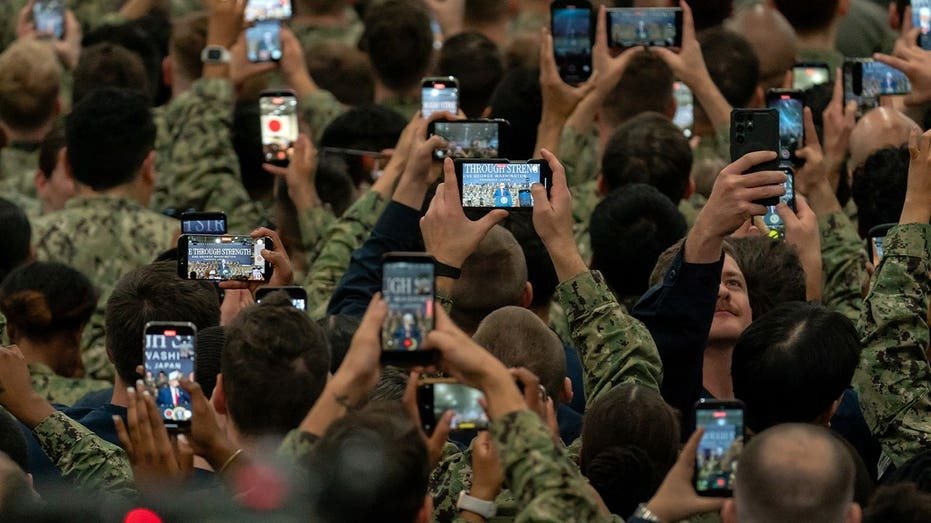
US military commanders in the Middle East are weighing new restrictions on troops’ personal cellphones, warning that Iran is using photos and videos posted online to evaluate the success of its missile and drone strikes and to refine future attacks. The move, reportedly under consideration across the region, would force a delicate balance between operational security and service members’ reliance on mobile devices to stay in touch with their families during deployment.
Admiral Brad Cooper, the head of US Central Command, sent an internal message to personnel emphasising the risks posed by open-source intelligence gathered from social media and other publicly available material. According to a copy of the message obtained by Reuters, Cooper warned that online posts were giving Iran near-real-time information about where its weapons landed. «The direct, unavoidable cost of this open-source intelligence could be measured in the lives of American service members,» he wrote.
The warning comes after a July 17 attack on Muwaffaq Salti Air Base in Jordan that killed Private Isabella Gonzales, First Lieutenant Tyler Feehan, and Sergeant Angel Rampersad. Cooper cited footage posted online during that attack, captured with a service member’s Meta smart glasses, which showed troops running for shelter and the individual’s evacuation route. Without such material, Iran would have difficulty determining whether its weapons missed, struck an empty area, or hit a populated facility, Cooper explained. Publicly available details effectively provide Iran with a battle-damage assessment and help it plan more devastating follow-up strikes, he added.
Some service members stationed in Jordan have already been told their phones will be confiscated in the coming days, according to two sources familiar with the matter. A third source indicated that broader cellphone restrictions were being considered across the region because of operational security concerns, though the move was not described as certain. Central Command declined to confirm whether a confiscation order had been issued, citing the need to protect force-protection tactics and techniques. A spokesperson, Captain Tim Hawkins, said the admiral’s message was «a general reminder to our service members on the importance of maintaining operational security».
Cellphone rules vary widely across the US military. Personal devices are already prohibited during some sensitive missions and inside classified areas, while sailors at sea often lack ordinary cellular service. Many troops stationed at established overseas bases, however, routinely have access to their phones. Any new restrictions would represent a significant change in daily life for deployed personnel.
The concern raised by Cooper is distinct from a separate vulnerability reported in June, when Central Command told lawmakers that adversaries could exploit commercially available location data generated by smartphones, apps, and advertising networks to surveil US personnel. A bipartisan group led by Senator Ron Wyden and Representative Pat Harrigan accused the Pentagon of failing to take basic precautions against the threat posed by data brokers, which collect and sell information about users’ movements. The lawmakers urged the Pentagon to disable advertising identifiers on government-issued smartphones and direct personnel to take similar precautions on personal devices.
Justin Sherman, CEO of the research and advisory firm Global Cyber Strategies, previously described the sale of location data as «a serious national security threat» that puts military personnel at risk. While that earlier warning focused on information collected and sold by commercial companies, Cooper’s message addressed material posted publicly — including footage that can reveal where troops sought shelter and whether Iranian strikes hit their intended targets.
The Pentagon referred questions to Central Command and declined further comment. Iran’s Mission to the United Nations in New York could not immediately be reached for comment.