Wuhan Court Makes AI Production Costs a Factor in Copyright Damages
A court in Wuhan has for the first time included token usage and AI tool licensing fees in a copyright damages calculation, as China expands protections for AI-generated works.
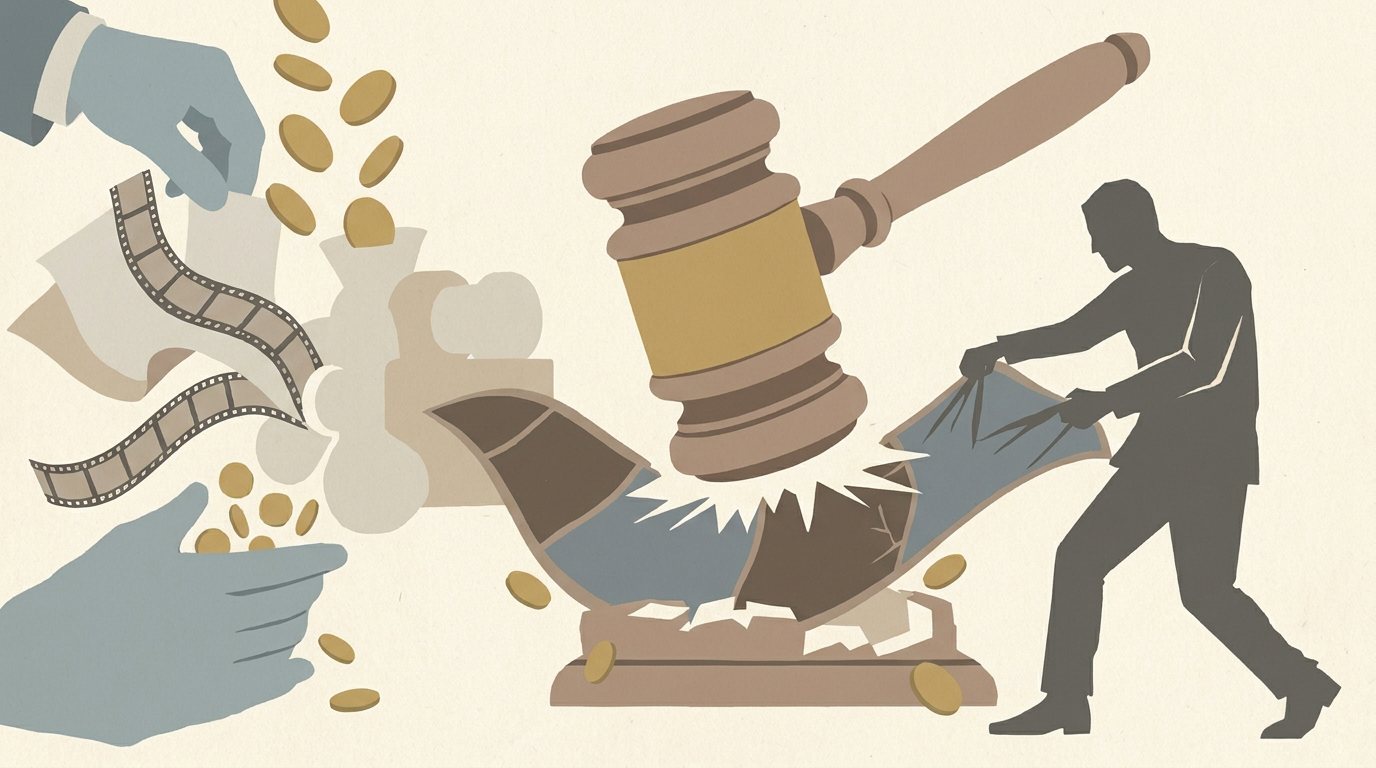
A court in Wuhan has become the first in China to factor the costs of producing AI-generated content into a copyright infringement damages calculation, treating token usage and licensing fees for AI tools as measurable inputs in the case. The ruling signals that Chinese courts are beginning to treat the economics of artificial intelligence as legally relevant when assessing harm in copyright disputes.
The decision reflects a broader effort in China to build out a legal framework for copyright protections covering works created with the help of AI. As generative tools become more common in publishing, design, software, and media, courts are being asked to determine not only whether a protected work was copied, but also what it cost the alleged infringer to generate the material in question. By including token consumption and tool licensing fees, the Wuhan court has introduced a new category of evidence into that calculation.
Token usage refers to the units of text or data processed by large language models, which are typically billed by AI providers. Licensing fees cover the cost of accessing those tools. Together, they represent a portion of the expense incurred when producing AI-assisted output. Treating those costs as a factor in damages suggests that courts may consider the commercial scale and technical resources behind an infringing work, rather than looking only at the value of the copied material.
The ruling is part of a wider push in China to clarify how copyright law applies to AI-generated works. Legislators and courts have been moving to define the boundaries of protection for content produced with machine assistance, an area that remains unsettled in many jurisdictions. The Wuhan case adds a practical dimension to that debate by tying damages to the real costs of AI production.
For creators, technology companies, and legal observers, the decision raises questions about how such calculations will be standardized. If token usage and licensing fees become routine factors in damages, plaintiffs and defendants may need to document their use of AI tools in greater detail. That could affect how businesses budget for AI services and how they assess legal risk when publishing or distributing AI-assisted content.
The ruling does not resolve the broader question of whether AI-generated works deserve copyright protection in their own right, nor does it establish a universal formula for damages. But it does indicate that Chinese courts are willing to treat the production economics of AI as part of the legal record. As more cases reach the courts, the Wuhan approach may serve as an early reference point for how copyright damages are calculated in an era of generative tools.
4