13-Year-Old Dies in Spain After Fountain Collapses During World Cup Celebrations
A 13-year-old boy was killed in Ciudad Rodrigo, western Spain, when a fountain collapsed during celebrations of Spain's 2026 World Cup victory. The incident occurred in the early hours of Monday, July 20, amid massive street festivities across the country.
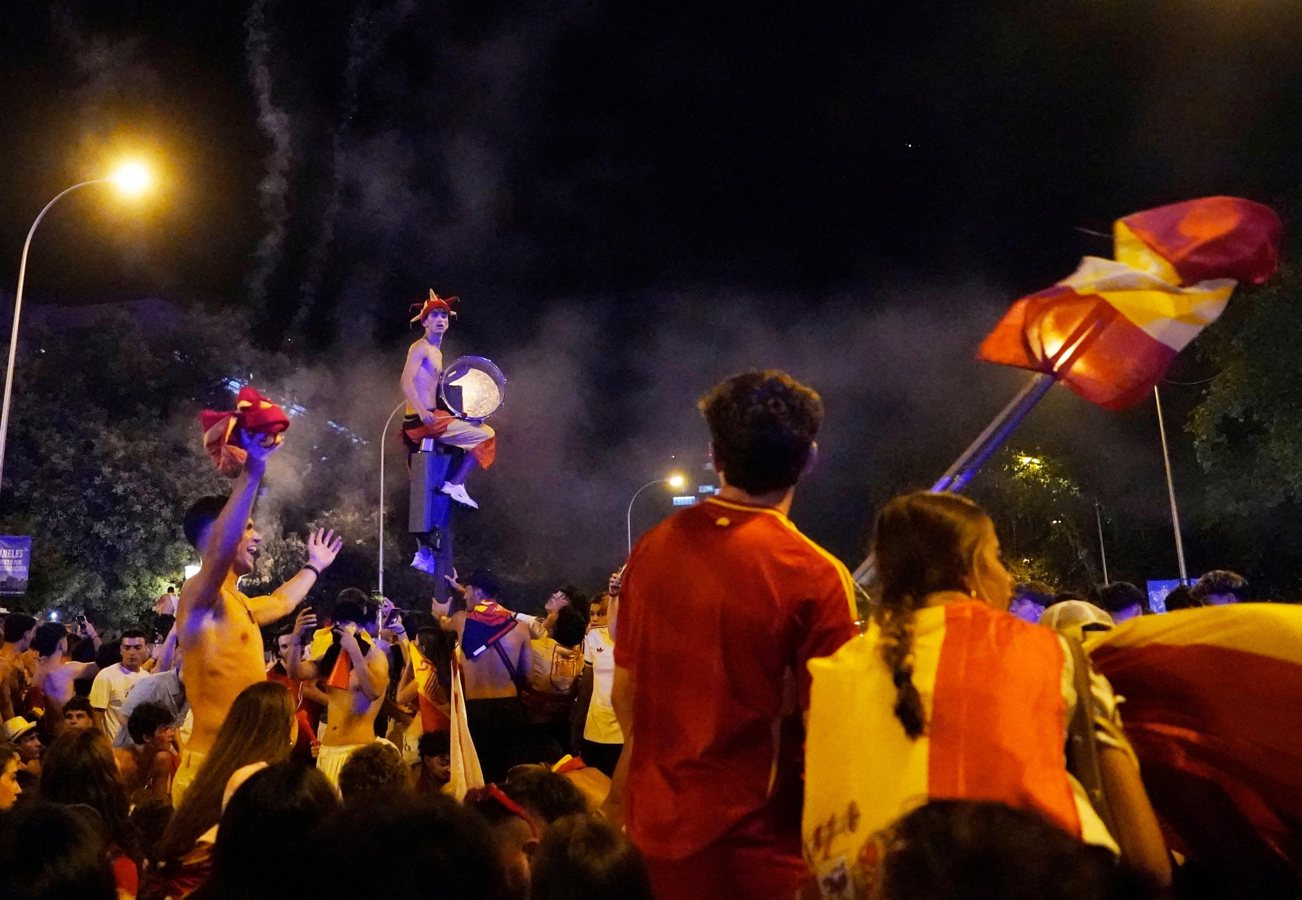
A 13-year-old boy died in the early hours of Monday in Ciudad Rodrigo, western Spain, when a public fountain collapsed during celebrations following the Spanish national football team's victory in the 2026 World Cup final. The tragedy struck as thousands of fans poured into streets across the country to celebrate Spain's triumph over Argentina in the final, held Sunday evening in New Jersey, United States.
According to local authorities, the fountain, located in a central square of the historic town near the Portuguese border, gave way under the weight of revelers who had climbed onto the structure. The adolescent was caught in the collapse and sustained fatal injuries. Emergency services rushed to the scene but could not save him. The identity of the victim has not been officially released, pending notification of his family.
The incident cast a shadow over what had been a night of national euphoria. Spain's victory, secured by a 1-0 scoreline after extra time, marked the country's second World Cup title, following its 2010 triumph in South Africa. The win also set the stage for a historic milestone: Spain will become the first nation to defend a World Cup title on home soil when it co-hosts the 2030 tournament alongside Portugal and Morocco.
Ciudad Rodrigo's municipal government expressed deep sorrow over the death. Mayor Marcos Hernández called for an immediate investigation into the structural safety of public monuments used during mass gatherings. «We are devastated by this loss,» Hernández said in a statement. «Our thoughts are with the family and friends of the young victim. We will work with regional authorities to ensure such a tragedy never happens again.»
The collapse occurred amid chaotic scenes in many Spanish cities. In Madrid, Barcelona, Seville, and Valencia, hundreds of thousands of fans took to the streets, waving flags, setting off fireworks, and honking car horns. While most celebrations were peaceful, the accident in Ciudad Rodrigo highlighted the risks associated with spontaneous, large-scale public festivities. Local police have cordoned off the square and launched an investigation into the exact cause of the fountain's failure.
Spain's victory itself was a dominant performance throughout the tournament. The team, known for its possession-based style, controlled the final against Argentina, with the decisive goal coming in the first half of extra time. The win was widely celebrated as a vindication of Spanish football's philosophy, with commentators praising the squad's depth and tactical discipline. The team is now set to become the first defending champion to play a World Cup at home, a unique advantage that analysts say could boost its chances of retaining the trophy in 2030.
The death in Ciudad Rodrigo has prompted calls for better crowd management and safety protocols during future celebrations. Experts note that fountains, statues, and other urban structures are often not designed to bear the weight of crowds, especially when people climb on them. «Municipalities need to assess the risks of public monuments during major events,» said urban safety consultant Elena Ruiz. «A simple inspection and temporary barriers could prevent tragedies like this.»
As Spain mourns the loss of a young life, the government has urged citizens to celebrate responsibly. Prime Minister Pedro Sánchez expressed condolences on social media, writing: «Our joy is overshadowed by this terrible accident. We send our deepest sympathy to the family of the boy who died in Ciudad Rodrigo. Let us celebrate with caution and respect for each other.»
The incident serves as a somber reminder that even moments of collective joy can turn to tragedy without adequate precautions. For the people of Ciudad Rodrigo and the nation, the memory of the 2026 World Cup victory will forever be intertwined with the loss of a 13-year-old boy whose life was cut short in the midst of celebration.
72