Argentina edges Cape Verde 3-2 in extra time to avoid World Cup upset
Argentina survived a historic scare against Cape Verde in the World Cup round of 16, winning 3-2 after extra time in Miami. Cape Verde forced the extra period and nearly pulled off a major upset before a header from Cuti Romero, assisted by Lionel Messi, secured the victory for the defending champions.
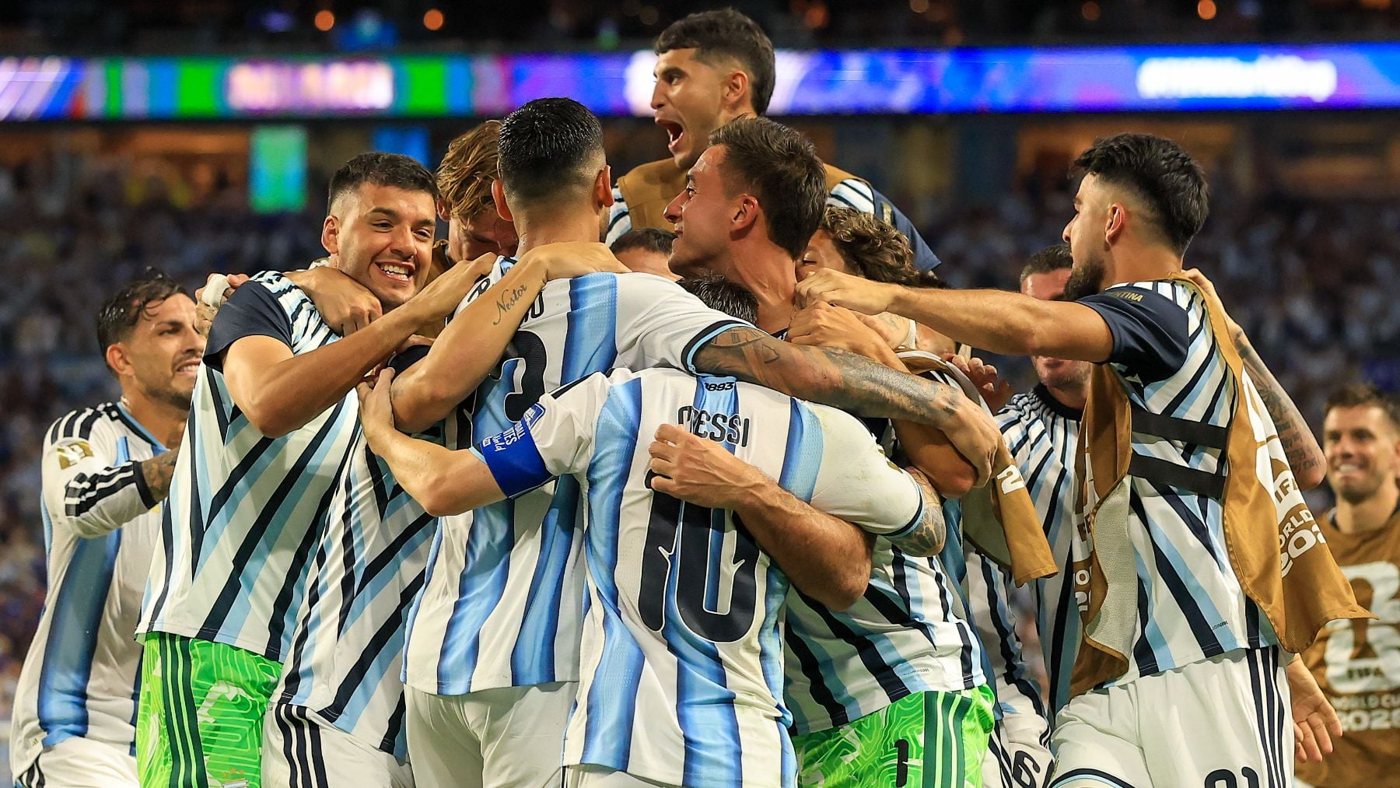
Argentina avoided a historic collapse and extinguished Cape Verde's remarkable World Cup run with a dramatic 3-2 extra-time victory in Miami. The defending champions needed a late header from defender Cuti Romero, following a precise cross from Lionel Messi, to overcome a resilient Cape Verde side that had forced the extra period and came within minutes of a penalty shootout. The match, played at the Hard Rock Stadium in front of a heavily pro-Argentina crowd, will be remembered as one of the most gripping encounters of the tournament.
Cape Verde, making only their second World Cup appearance, entered the round of 16 as one of the tournament's surprise packages. Having drawn with Spain in their opening match and remaining unbeaten, the African nation demonstrated they could compete with the world's best. Against Argentina, they showed no fear, matching the South American champions for long stretches and taking the game to extra time after a second-half equalizer from Deroy Duarte. The goal, set up by Ryan Mendes, sparked wild celebrations and briefly silenced the Argentine fans who had transformed the stadium into a cauldron of blue and white.
Lionel Messi, playing in his current home city of Miami, opened the scoring in the 28th minute with a trademark finish. The 39-year-old received a brilliant lofted pass from Lisandro Martínez, controlled the ball with his left foot, and fired into the top corner. The goal was Messi's seventh of the tournament and his 20th in World Cup history, extending his record as the all-time leading scorer in the competition. Despite his heroics, Argentina struggled to impose themselves after the break, and Cape Verde grew in confidence.
The equalizer came in the 59th minute when Cape Verde won the ball in midfield after a poor Argentine clearance. Ryan Mendes advanced down the right and delivered a low cross to Duarte, who turned and fired past goalkeeper Emiliano Martínez. The goal sent shockwaves through the stadium and raised the possibility of one of the biggest upsets in World Cup history. Argentina pushed forward relentlessly in search of a winner, but Cape Verde's goalkeeper, Vozinha, produced a series of outstanding saves, including a crucial stop from Messi in a one-on-one situation and a fingertip save from a free kick.
Argentina's pressure intensified as the clock ticked toward full time. In the 80th minute, Cape Verde defender Lopes cleared a Messi cross off the line, preserving the draw and forcing extra time. The extra period saw Argentina regain control, and Romero's header from a Messi corner in the 105th minute finally broke Cape Verde's resistance. The goal sparked relief among the Argentine players and coaching staff, with manager Lionel Scaloni celebrating his 100th match in charge. Cape Verde pushed for another equalizer but could not find a way past Argentina's defense.
The victory keeps Argentina's title defense alive, but the performance raised questions about their consistency. Scaloni made several changes during the match, introducing Julián Álvarez and Nicolás González to inject energy into the attack. The team's slow tempo and reliance on Messi for creativity were evident, and Cape Verde's disciplined defensive display exposed vulnerabilities. For Cape Verde, the defeat was a bitter end to a historic campaign that earned them respect worldwide. Their coach, Bubista, praised his team's effort and said they had shown they belong on the biggest stage.
The match also had off-field context, as Cape Verde captain Ryan Mendes had been the subject of a recent allegation of sexual assault in Brazil, which he has denied. He started the game and played a key role in his team's performance. The incident did not appear to affect his focus during the match. Argentina will now advance to the quarterfinals, where they will face a yet-to-be-determined opponent. The defending champions will need to improve their overall performance if they hope to retain the trophy, but the resilience shown in extra time may prove valuable in the later stages of the tournament.
114