Belgium suspects three nationals among dead in Los Gallardos fire
Belgium suspects three of its nationals are among the 12 victims of a wildfire in Los Gallardos, Almería, as Spanish authorities continue DNA identification. The fire has been stabilized, allowing 1,000 evacuees to return home.
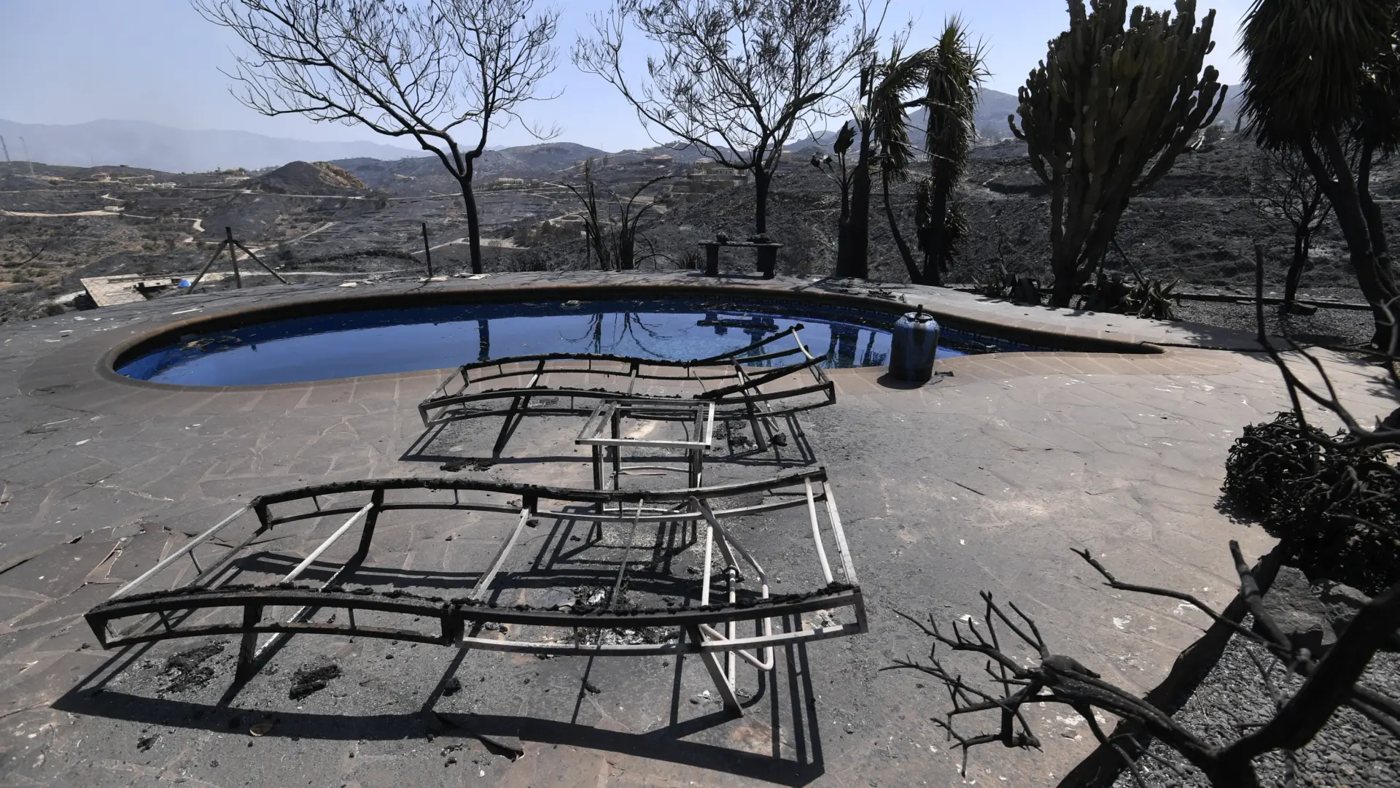
The Belgian government has indicated that three of its citizens are likely among the 12 people killed in a wildfire that swept through the municipality of Los Gallardos in Almería, southern Spain. A spokesperson for Belgium’s Ministry of Foreign Affairs stated that authorities have been unable to establish contact with the missing individuals over the weekend, leading to the presumption that they are among the deceased. However, the spokesperson cautioned that official confirmation from Spanish authorities could take several days, as the identification process relies on DNA analysis of the victims’ remains.
The fire, which broke out earlier this week, has been stabilized as of Sunday after burning approximately 7,000 hectares across a 40-kilometer perimeter. The stabilization allowed around 1,000 people who had been evacuated from their homes to return. The blaze claimed the lives of 12 people, all of whom remain unidentified pending genetic profiling. The Spanish Civil Guard’s Criminalistics Service, specifically its Biology Department in Madrid, has obtained genetic profiles from the victims, which will be compared with samples provided by relatives.
So far, the Civil Guard has received eight formal missing person reports related to the incident. The president of the regional government of Andalusia, Juanma Moreno, acknowledged on Sunday morning that the identification process is slow, praising the work of the Civil Guard in handling the DNA analysis. He expressed confidence that no additional victims would be found, following extensive searches of the burned area by around 100 emergency personnel and volunteers.
In addition to the fatalities, four people remain hospitalized in stable but serious condition at the Virgen del Rocío Hospital in Seville. Relatives of some of the foreign victims have begun arriving in Spain to provide DNA samples to assist in the identification process. The Spanish Ministry of Foreign Affairs, European Union and Cooperation is in contact with both Belgium and the United Kingdom to share information about nationals affected by the fire.
The wildfire in Los Gallardos is one of the deadliest in Spain in recent years, highlighting the increasing risk of such disasters amid rising temperatures and prolonged drought conditions in the Mediterranean region. The fire’s rapid spread, driven by strong winds and dry vegetation, overwhelmed initial firefighting efforts and forced large-scale evacuations. Local authorities have launched an investigation into the cause of the blaze, though no official conclusions have been released.
The tragedy has drawn attention to the vulnerability of rural communities in southern Europe to wildfires, which have become more frequent and intense due to climate change. Emergency services in Spain have been on high alert throughout the summer, with several regions experiencing severe fire outbreaks. The Los Gallardos incident underscores the need for improved prevention measures and international cooperation in disaster response, particularly when foreign nationals are involved.
70