Carl Bildt: Russian Drone Struck Train Minutes Behind His Own
Swedish diplomat Carl Bildt says a Russian drone hit a passenger train from Kyiv to Warsaw just minutes after his own train passed the same location. Bildt had been in Kyiv with a delegation and was heading back to Sweden.
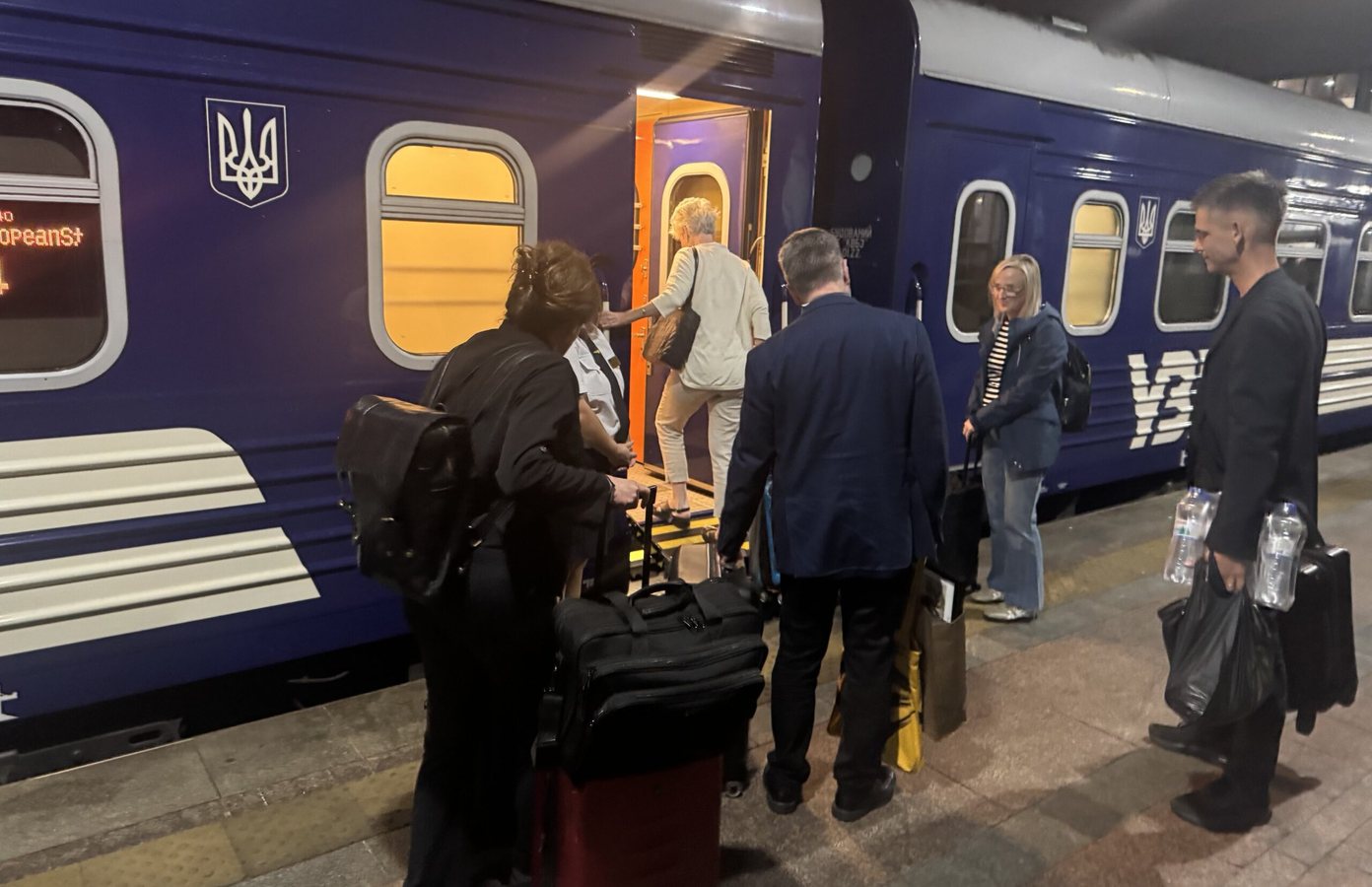
Carl Bildt, co-chair of the European Council on Foreign Relations and former prime minister of Sweden, has said that a Russian drone struck a passenger train traveling from Kyiv to Warsaw only minutes after his own train had passed through the same area. Bildt, who had been in Kyiv as part of a delegation and was on his way back to Sweden, described the close call in a social media post.
According to Bildt, his train had cleared the location just a few minutes before the attack. The passenger train behind his was hit by a Russian drone, underlining the continuing danger to civilian rail traffic in Ukraine as the war grinds on. The incident highlights the risks faced by diplomats, aid workers, journalists, and ordinary civilians who rely on Ukraine's rail network, which has remained a vital lifeline throughout the conflict.
Bildt's delegation visit to Kyiv was part of ongoing European diplomatic engagement with Ukraine. The former Swedish premier has been a prominent voice on European security and has frequently traveled to the region. His account of the near-miss adds a personal dimension to the broader pattern of Russian strikes on Ukrainian infrastructure, which have repeatedly targeted transport and energy facilities.
The attack on the Kyiv–Warsaw passenger train is the latest in a series of incidents in which Russian drones have hit civilian targets in Ukraine. While the full details of the strike, including any casualties, have not been independently confirmed, Bildt's statement makes clear that the drone hit a train that was following his own on the same route. The timing — just minutes apart — underscores how narrow the margin was.
Ukraine's railway system has been a critical artery for both passengers and cargo since the start of the full-scale invasion. Despite repeated attacks, the network has continued to operate, often under difficult and dangerous conditions. International visitors, including diplomats and politicians, frequently use the train to travel to and from Kyiv, as air travel remains suspended.
Bildt's disclosure comes amid heightened international attention to the safety of civilian transport in Ukraine and to the broader question of how European officials and citizens assess the risks of traveling in the country. His account is likely to reinforce calls for stronger air defenses and continued support for Ukraine's efforts to protect its infrastructure.
The European Council on Foreign Relations, which Bildt co-chairs, is a pan-European think tank that focuses on foreign and security policy. Bildt's own diplomatic career includes serving as Sweden's prime minister in the 1990s and later as foreign minister, as well as holding senior international roles in the Balkans and other conflict zones. His firsthand experience of the near-miss will carry weight in European policy circles.
The incident also raises questions about the safety of diplomatic travel in wartime Ukraine. While Western officials have continued to visit Kyiv in a show of solidarity, the attack serves as a reminder that the journey itself can be hazardous. The drone strike on the passenger train occurred on a route commonly used by those traveling between Ukraine and Poland, a key gateway to the European Union.
As of now, there has been no independent confirmation of casualties from the strike. Bildt's statement did not specify whether anyone was injured or killed. The focus remains on the fact that a civilian train was targeted and that a senior European figure was minutes away from the impact.
The war in Ukraine continues to pose risks to civilians and travelers, and the international community has repeatedly condemned Russian attacks on civilian infrastructure. Bildt's account is a stark illustration of those dangers, coming from a diplomat who has long been involved in European security affairs.