Cottbus Mayor Urges Civil Society to Take Clear Stance After Far-Right Attacks
After a series of far-right attacks in Cottbus, including a Molotov cocktail attack on an alternative housing project, Mayor Tobias Schick calls on civil society to show clear opposition to hate and violence.
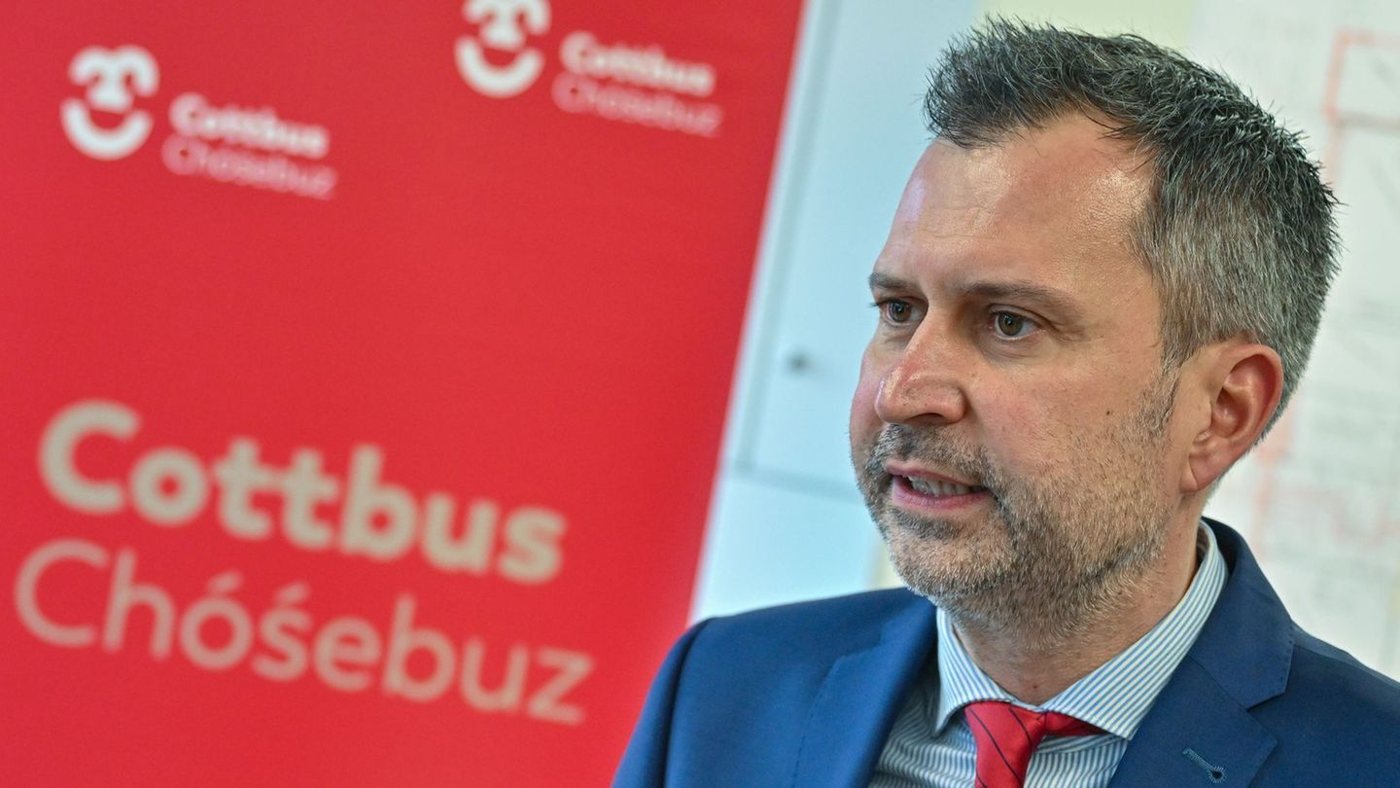
The mayor of Cottbus, Tobias Schick, has issued a strong appeal to the city's civil society to demonstrate a clear stance against hatred and far-right violence following a series of attacks that have shaken the community. Speaking on the regional broadcaster RBB, Schick emphasized that violent acts against others represent red lines that must not be crossed. He stressed that society must make it unequivocally clear that such violence cannot become part of everyday life.
In the early hours of Thursday morning, Molotov cocktails were thrown at the alternative housing project known as «Zelle 79» in Cottbus. The attack has prompted investigations by both the state security service and a homicide commission on suspicion of attempted murder. Police are also examining a separate incident near the alternative club «Chekov», where a fence plank was set on fire, and a window at the local Green Party office was smashed during the same night.
Schick's comments come amid growing concern over a resurgence of far-right activity in the region. The mayor called for a renewed social pressure to ensure that violent acts do not become normalized. «We must say much more clearly in our civil society that this is not acceptable,» he said. His remarks reflect a broader unease in the city, which has seen a rise in politically motivated incidents in recent months.
The attacks have drawn widespread condemnation from local politicians and community leaders. The state parliament has called for a thorough investigation and for measures to protect vulnerable groups and institutions. The alternative housing project «Zelle 79» has long been a target for far-right groups due to its progressive and inclusive ethos. Residents of the project have reported feeling increasingly threatened in recent weeks.
Police have stepped up patrols in the area and are appealing for witnesses to come forward. The investigation is being led by the state security service, which is treating the attacks as politically motivated. The use of Molotov cocktails indicates a level of planning and intent that has alarmed authorities.
The incidents in Cottbus are part of a worrying trend of far-right violence in Germany. According to official statistics, politically motivated crimes with a far-right background have increased in several states. Experts warn that the normalization of extremist rhetoric can lead to an escalation of physical attacks. The mayor's appeal is seen as an attempt to mobilize the community to resist this trend.
Local residents have organized vigils and solidarity events in response to the attacks. Many are calling for stronger community ties and for more support for anti-racism initiatives. The city council is expected to debate new measures to improve security and promote tolerance in the coming weeks.
The broader context of these attacks includes a national debate about the rise of far-right extremism and the effectiveness of current policies to counter it. The German government has recently announced additional funding for programs aimed at preventing radicalization and supporting victims of hate crimes. However, local leaders argue that more needs to be done at the community level to foster a culture of respect and opposition to violence.
Schick's call for a clear stance is a reminder that combating extremism requires not only law enforcement but also active civic engagement. As the investigation continues, the people of Cottbus are being urged to stand together against hatred and to ensure that their city remains a place where diversity and tolerance are valued.
99