FIFA suspends red card for US striker Balogun after White House intervention
FIFA has suspended the one-match ban for US striker Folarin Balogun, allowing him to play against Belgium in the World Cup round of 16, following a call from the White House. The decision has sparked controversy, with Belgium's football federation expressing outrage and considering legal action.
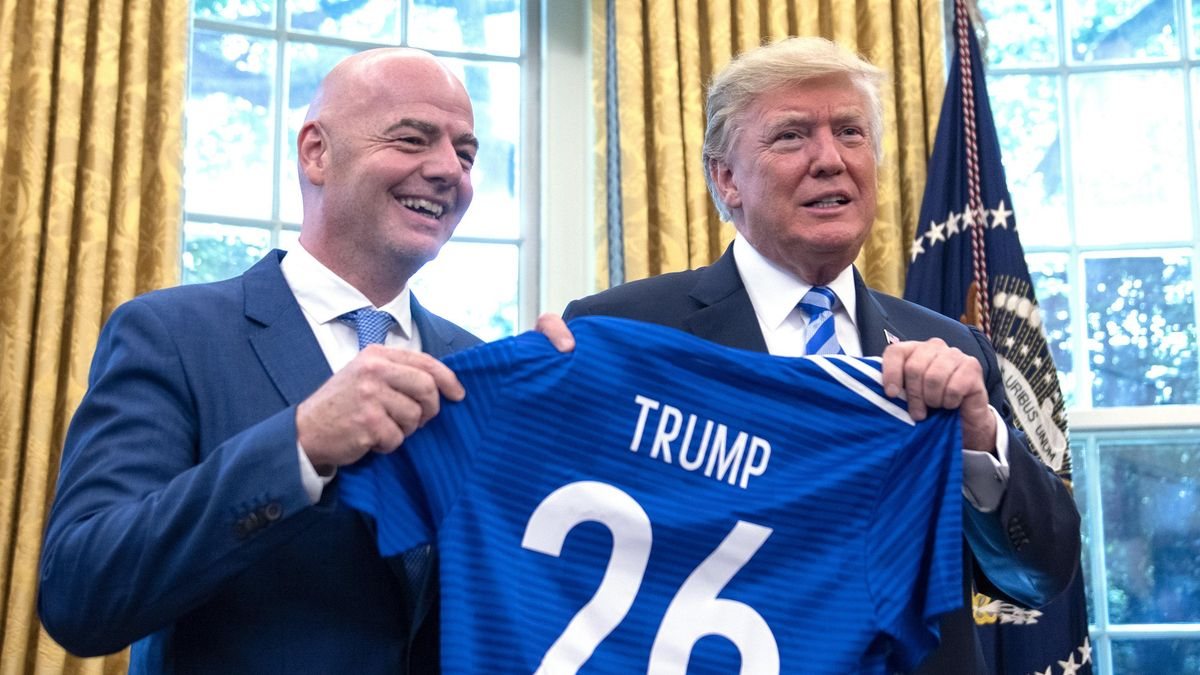
The World Cup has been rocked by its first major refereeing controversy, as FIFA announced on Sunday that United States striker Folarin Balogun will be eligible to play in the round-of-16 match against Belgium, after the governing body suspended his automatic one-match ban for a red card. The decision, which came after a reported call from the White House to FIFA president Gianni Infantino, has drawn sharp criticism from the Belgian football federation and raised questions about impartiality in the tournament co-hosted by the United States.
Balogun, 25, the top scorer for the US team with three goals, was sent off in the final minutes of the round-of-32 match against Bosnia and Herzegovina on Wednesday. He received a direct red card after a VAR review for a dangerous tackle in which he stamped on the ankle of defender Tarik Muharemovic. Under Article 10.5 of the FIFA World Cup regulations, a direct red card carries an automatic one-match suspension, which cannot be appealed by the team. That suspension would have ruled Balogun out of the crucial knockout clash against Belgium.
However, FIFA’s disciplinary committee invoked Article 27 of its disciplinary code to suspend the implementation of the ban for a probationary period of one year. In a statement, FIFA said that if Balogun commits a similar infraction within the next year, the suspension will be reinstated. The decision effectively allows the striker to play against Belgium on Monday in Seattle.
Within an hour of the announcement, US President Donald Trump publicly thanked FIFA on his social media platform, Truth Social, writing: «Thank you to FIFA for doing what was right, and reversing a great injustice!» According to the Associated Press, the White House made a call to FIFA to request a review of Balogun’s red card, though the source did not specify who made the call or when it occurred. The intervention has fueled accusations that the host nation is receiving preferential treatment.
The Belgian football federation (RBFA) responded with a strongly worded statement expressing its «astonishment» at what it called a «scandalous» decision. The federation argued that FIFA’s ruling violates at least three articles of its own disciplinary code, including Article 66.4, which states that a red card automatically results in a suspension for the next match. The RBFA said it is «studying all possible options» to safeguard the legitimate rights of all teams and preserve fair play. Belgian officials are reportedly considering legal measures to challenge the decision before the match.
The controversy has cast a shadow over the tournament, which is being co-hosted by the United States, Canada, and Mexico. The US team, as the main host, plays all its matches at home and has the largest number of referees in the competition, a fact that has already drawn scrutiny. Critics argue that the suspension of Balogun’s ban sets a dangerous precedent, as it appears to override the on-field decision of the referee and the VAR, which had confirmed the red card after review.
FIFA’s decision is unprecedented in recent World Cup history. While Article 27 allows disciplinary committees to suspend sanctions, it is typically used for minor infractions or procedural errors, not for overturning automatic suspensions from red cards. The lack of an objective justification for the decision has led to widespread debate among fans, pundits, and officials about the integrity of the competition.
Balogun’s presence on the field could significantly impact the match against Belgium, as he has been a key player for the US attack. The US team, which has advanced to the knockout stage for the first time in years, will rely on his goal-scoring ability against a strong Belgian side. The match is scheduled for Monday at 5:00 PM local time in Seattle.
The Belgian federation has not ruled out taking the case to the Court of Arbitration for Sport (CAS) if necessary, though time is short before the match. The RBFA’s statement emphasized that the decision undermines the principle of fair competition and could affect the outcome of the tournament. As the controversy continues to unfold, all eyes will be on the pitch in Seattle to see how the situation plays out.
86