Five Revolutionary Landmarks Where America’s Founding Fathers Shaped the Nation
From Boston’s Freedom Trail to Virginia’s Historic Triangle, key sites where Washington, Adams, and Jefferson helped forge the United States offer immersive experiences for visitors during the nation’s 250th anniversary.
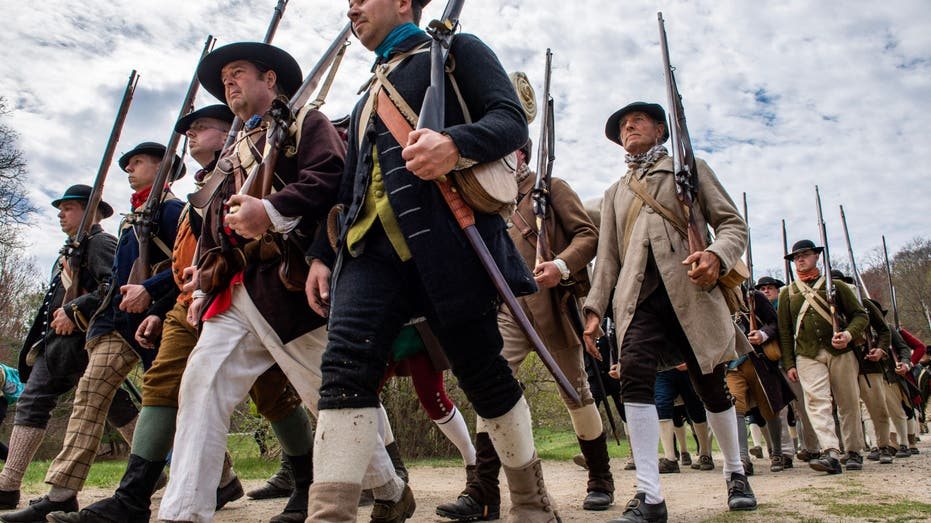
As the United States marks the 250th anniversary of its independence, history enthusiasts and patriotic travelers have a unique opportunity to walk in the footsteps of the nation’s founders. From New England to Virginia, a series of well-preserved landmarks and living-history museums bring the American Revolution to life, offering guided tours, ranger-led programs, and immersive exhibits that illuminate the colonial and Federal eras.
One of the most iconic experiences is Boston’s Freedom Trail, a 2.5-mile walking route that connects 16 historically significant sites. The trail includes the Old South Meeting House, where colonists gathered to protest British policies; the Old North Church, famous for the signal lanterns that warned of British troop movements; and the Paul Revere House, home of the legendary midnight rider. Faneuil Hall, often called the «Cradle of Liberty,» hosted patriot meetings and speeches, while the Old State House marks the site of the Boston Massacre. According to the Freedom Trail’s official website, the route is «a unique collection of museums, churches, meeting houses, burying grounds, parks, a ship, and historic markers that tell the story of the American Revolution and beyond.»
In Philadelphia, Independence National Historical Park stands as a cornerstone of American history. The park’s centerpiece is Independence Hall, where the Second Continental Congress debated and adopted the Declaration of Independence in 1776 and later drafted the U.S. Constitution. Just two blocks east, Carpenters’ Hall hosted the First Continental Congress in 1774. The historic district also includes the Museum of the American Revolution, the Benjamin Franklin Museum, and the National Constitution Center. The National Park Service notes that the park «represents the founding ideals of the nation, and preserves national and international symbols of freedom and democracy, including Independence Hall and the Liberty Bell.» Both the Declaration and the Constitution were signed inside Independence Hall, a UNESCO World Heritage Site.
Virginia’s Historic Triangle offers a sweeping view of early American history, spanning three key locations: Jamestown, the first successful English settlement in North America, founded in 1607; Colonial Williamsburg, the restored 18th-century capital of Virginia and the world’s largest living-history museum, where costumed interpreters reenact daily life; and Yorktown Battlefield, the site of the decisive 1781 victory that effectively ended the Revolutionary War. Williamsburg and Yorktown are about 13 miles apart. The Jamestown-Yorktown Foundation offers the America’s Historic Triangle Ticket, starting at $126 for adults, which provides five consecutive days of admission to Jamestown Settlement, Historic Jamestowne, Colonial Williamsburg, Yorktown Battlefield, and the American Revolution Museum at Yorktown.
George Washington’s Mount Vernon estate, located about 15 miles south of Washington, D.C., offers visitors a chance to explore the mansion, gardens, Washington’s tomb, a working farm, and museum exhibits detailing his life, military leadership, and presidency. The estate provides expert-led tours, including behind-the-scenes access to areas typically closed to the public, as well as immersive Revolutionary War exhibits and a recreated Continental Army encampment. These experiences allow guests to understand the personal and political dimensions of Washington’s legacy.
In Massachusetts, Minute Man National Historical Park in Middlesex County commemorates the Battles of Lexington and Concord, the opening engagements of the American Revolution. Visitors can walk the Battle Road Trail, explore restored colonial landmarks like Hartwell Tavern, and participate in ranger-led programs and Patriots’ Day events celebrating «the shot heard ’round the world.» A highlight of the park is North Bridge, where colonial militia confronted British troops on April 19, 1775. The National Park Service describes the site as «a beautifully restored 19th-century commemorative landscape, featuring the famous Minute Man statue by Daniel Chester French,» calling it «a perfect place to reflect upon this hallowed ground.»
These five destinations, along with many others across the country, provide a tangible connection to the events and individuals that shaped the United States. Whether through walking tours, living-history demonstrations, or museum exhibits, they offer a deeper understanding of the sacrifices and ideals that gave birth to the nation. As the 250th anniversary celebrations continue, these landmarks stand as enduring reminders of the revolutionary spirit that defined America’s founding.
91