Fourteen countries back ICJ genocide ruling against Myanmar over Rohingya
Fourteen countries across Europe, Africa and Oceania have accepted the International Court of Justice finding that Myanmar committed genocide against the Rohingya, while Britain has announced sanctions against five senior military figures.
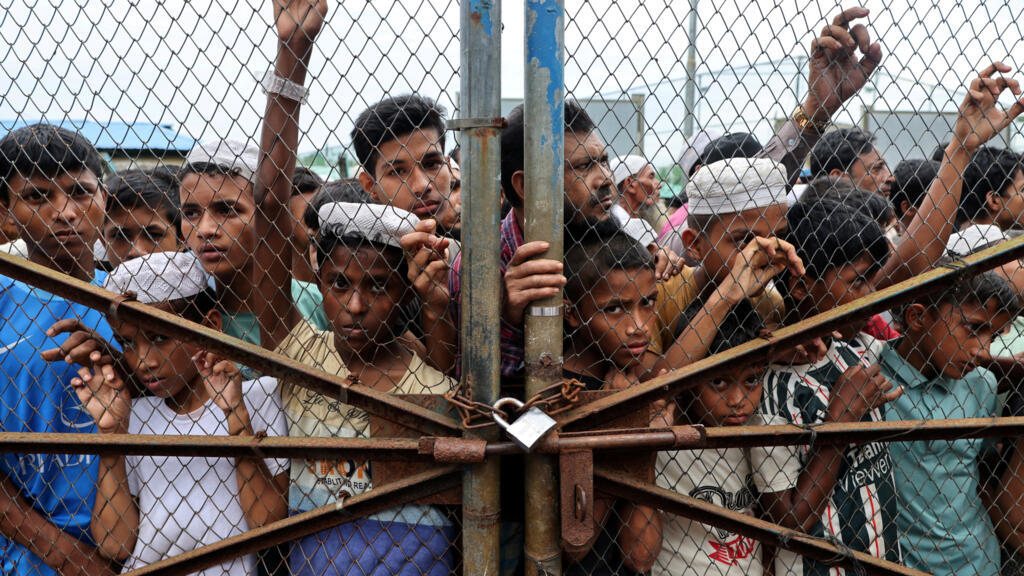
Fourteen countries from Europe, Africa and Oceania have formally acknowledged a landmark ruling by the International Court of Justice that Myanmar committed genocide against its Rohingya minority. In their statements, the governments called on Myanmar to comply with its obligations under international law, placing the question of compliance back at the centre of the debate.
The United Kingdom has gone further than acknowledgement. London separately announced sanctions against five senior figures in Myanmar's military and said it would formally recognise the genocide. The measures target individuals who hold command positions within the armed forces rather than the state as a whole, which makes them one of the most direct responses so far to the court's findings.
The Rohingya are a Muslim minority from Rakhine State in western Myanmar, and they have long been at the centre of international concern over violence and displacement. The ICJ ruling, which the 14 countries now recognise, addresses the state's responsibility for atrocities against this community. The court's findings carry real weight in international law, although enforcement depends largely on the political will of member states and on the cooperation of Myanmar itself.
The coordinated acknowledgement from countries on three continents signals a growing diplomatic consensus around the court's conclusions. Because the statements come from governments in very different regions, they show that the ruling is being treated as a matter of general international concern rather than a dispute confined to the parties directly involved. The British sanctions add a concrete measure of accountability to that consensus.
Observers following the case note that recognition by individual states does not by itself change conditions on the ground in Rakhine State. It does, however, shape the diplomatic pressure that can be brought to bear on Myanmar's leadership and on the wider international community. The statements make clear that the ruling is intended to be treated as binding in substance, not merely as a judgement with symbolic value, and that countries outside the immediate region are prepared to say so publicly.
For the Rohingya community, the recognition of the court's findings by such a broad group of states may be read as an affirmation of accounts of suffering that have been documented for years. Whether that affirmation translates into protection, return or justice will depend on steps taken after the statements, including how Myanmar responds to the call to meet its legal obligations and whether further measures follow from the countries that have already spoken.
Source: france24.com
14