France edges past Paraguay in controversial World Cup match
France secured a narrow 1-0 victory over Paraguay in the World Cup round of 16, but the match was marked by controversy over the referee's leniency toward Paraguay's aggressive play.
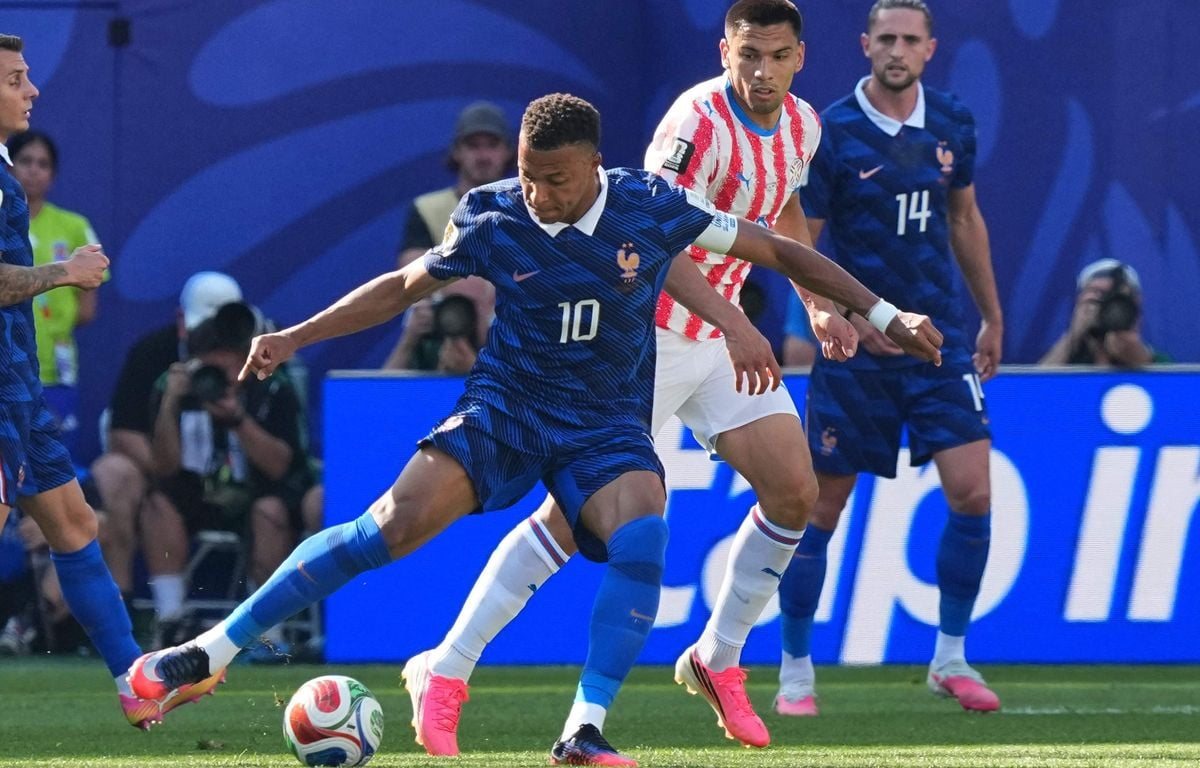
France secured a hard-fought 1-0 victory over Paraguay in the round of 16 of the 2026 World Cup, but the match has sparked widespread debate over the referee's handling of Paraguay's aggressive tactics. The game, played on July 4 in Philadelphia, saw the French side struggle to break down a physically imposing opponent that repeatedly engaged in rough challenges and provocative behavior without receiving a single yellow or red card.
The only goal of the match came in the 70th minute when Kylian Mbappé converted a penalty awarded after a video assistant referee review. The penalty was given for a foul on Mbappé himself, who had been a constant threat despite the physical attention he received from Paraguayan defenders. The goal was Mbappé's seventh of the tournament, keeping him at the top of the scoring charts.
Paraguay's approach to the game was described by observers as a deliberate strategy of provocation and physical intimidation. The team, known for its "garra guaraní" spirit, repeatedly engaged in what many considered cynical fouls, time-wasting, and verbal confrontations with French players. Despite the frequency and severity of these incidents, referee Ilgiz Tantashev from Uzbekistan issued no disciplinary sanctions against any Paraguayan player.
The officiating has drawn sharp criticism from French media and fans. Several outlets described the performance as "incomprehensible" and "close to professional misconduct." Critics argue that Tantashev's leniency allowed Paraguay to effectively disrupt France's rhythm and turn the match into a physical battle that favored the underdogs. The lack of cards was particularly notable given that Paraguay committed numerous fouls, including several that appeared to warrant at least a yellow card.
France's path to the quarterfinals was far from smooth. The team struggled to create clear chances against a well-organized Paraguayan defense that often employed a low block and aggressive pressing. French attackers Michael Olise and Ousmane Dembélé were largely ineffective, failing to impose themselves on the game. Mbappé's individual brilliance ultimately proved decisive, but the performance raised questions about France's ability to break down stubborn defenses in future matches.
The match also highlighted the growing role of VAR in World Cup tournaments. The penalty decision came after a lengthy review, during which the referee consulted the pitchside monitor. While the decision was ultimately correct, the delay and the controversy surrounding the overall officiating have reignited debates about consistency in refereeing standards.
Paraguay's journey to the round of 16 had already been remarkable. The team had upset Germany in the group stage, a result that sent shockwaves through the tournament. Their physical style of play, while effective in frustrating opponents, has drawn criticism from those who believe it crosses the line into unsportsmanlike conduct. However, Paraguay's defenders have argued that their approach is simply a reflection of their competitive spirit and determination to succeed on the world stage.
France will now face Morocco in the quarterfinals on July 9. The match promises to be a tactical battle, with Morocco having impressed with their defensive solidity and counterattacking prowess. France will need to improve their performance significantly if they are to progress further, particularly in terms of creating chances from open play and maintaining composure under physical pressure.
The controversy surrounding the Paraguay match is unlikely to fade quickly. Questions about the referee's performance and the broader issue of how to handle overly physical play in international football are likely to be discussed in the coming days. For now, France can take solace in having advanced, but the manner of the victory has left a sour taste for many observers.
95