Germany Ratifies UN High Seas Treaty
Germany has officially joined the UN High Seas Treaty, depositing its instrument of ratification at the United Nations in New York. The country now stands among 94 states that have ratified the agreement.
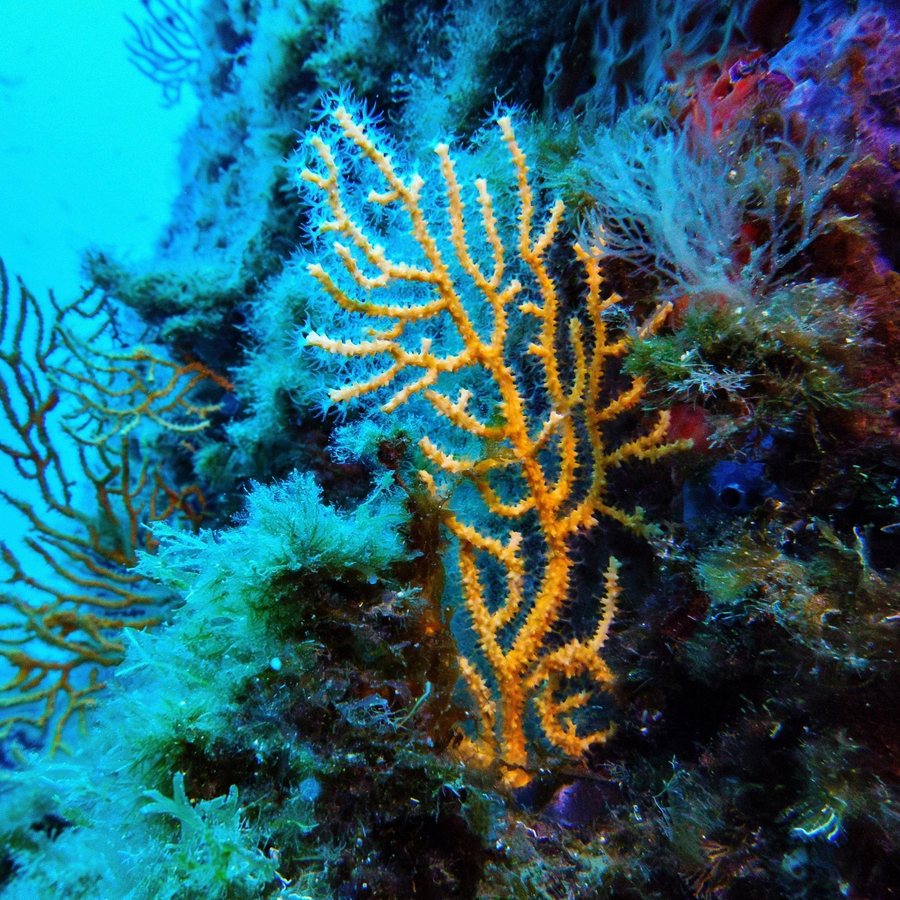
Germany has formally ratified the United Nations High Seas Treaty, becoming one of 94 states to join the international agreement aimed at protecting marine biodiversity in areas beyond national jurisdiction. Federal Environment Minister Schneider deposited the instrument of ratification at the United Nations in New York, according to the environment ministry.
The treaty, formally known as the Agreement on the Conservation and Sustainable Use of Marine Biological Diversity of Areas Beyond National Jurisdiction, establishes a legal framework for the conservation and sustainable use of marine life in the high seas — waters that lie outside any country's exclusive economic zone and cover nearly two-thirds of the world's oceans.
By ratifying the accord, Germany commits to a set of binding provisions that include the creation of marine protected areas, environmental impact assessments for activities in international waters, and the fair and equitable sharing of benefits derived from marine genetic resources. These measures are intended to address the growing pressures on ocean ecosystems from overfishing, shipping, deep-sea mining, and climate change.
The high seas have long been governed by a patchwork of regional and sectoral bodies, often with limited authority to enforce conservation measures. The new treaty seeks to fill those gaps by providing a comprehensive global framework under the UN Convention on the Law of the Sea. Supporters argue that without such coordination, the degradation of marine habitats and the loss of species will continue largely unchecked.
Germany's ratification follows a series of national approvals that have brought the treaty closer to the threshold required for entry into force. The agreement needs ratification by at least 60 states to become legally binding, a milestone that was reached earlier this year. However, the treaty will only take effect twelve months after the 60th instrument of ratification or accession is deposited, and implementation will depend on the active participation of a broad coalition of countries.
Environmental organizations have welcomed Germany's move but stress that ratification alone is not enough. They call for robust enforcement mechanisms, adequate funding, and the rapid designation of marine protected areas. The treaty's success, they say, will hinge on political will and international cooperation in the years ahead.
For Germany, the ratification aligns with its broader commitment to multilateral environmental governance. The country has been an active participant in ocean protection initiatives and has supported scientific research on marine ecosystems. The environment ministry noted that the treaty offers a historic opportunity to safeguard the health of the oceans for future generations.
With 94 states now having ratified the agreement, the focus shifts to implementation. The first Conference of the Parties to the treaty is expected to convene within a year of its entry into force, where signatories will begin the work of translating the accord's provisions into concrete action. Germany's ratification adds momentum to that process, signaling continued support for a rules-based approach to managing the global commons.
2