Hamad bin Khalifa Al Thani, former emir who transformed Qatar, dies at 74
Hamad bin Khalifa Al Thani, the former emir of Qatar who turned the small Gulf state into a global economic and diplomatic power, has died at the age of 74. His reign from 1995 to 2013 saw the rise of Al Jazeera, massive natural gas investments, and Qatar's emergence as a key international player.
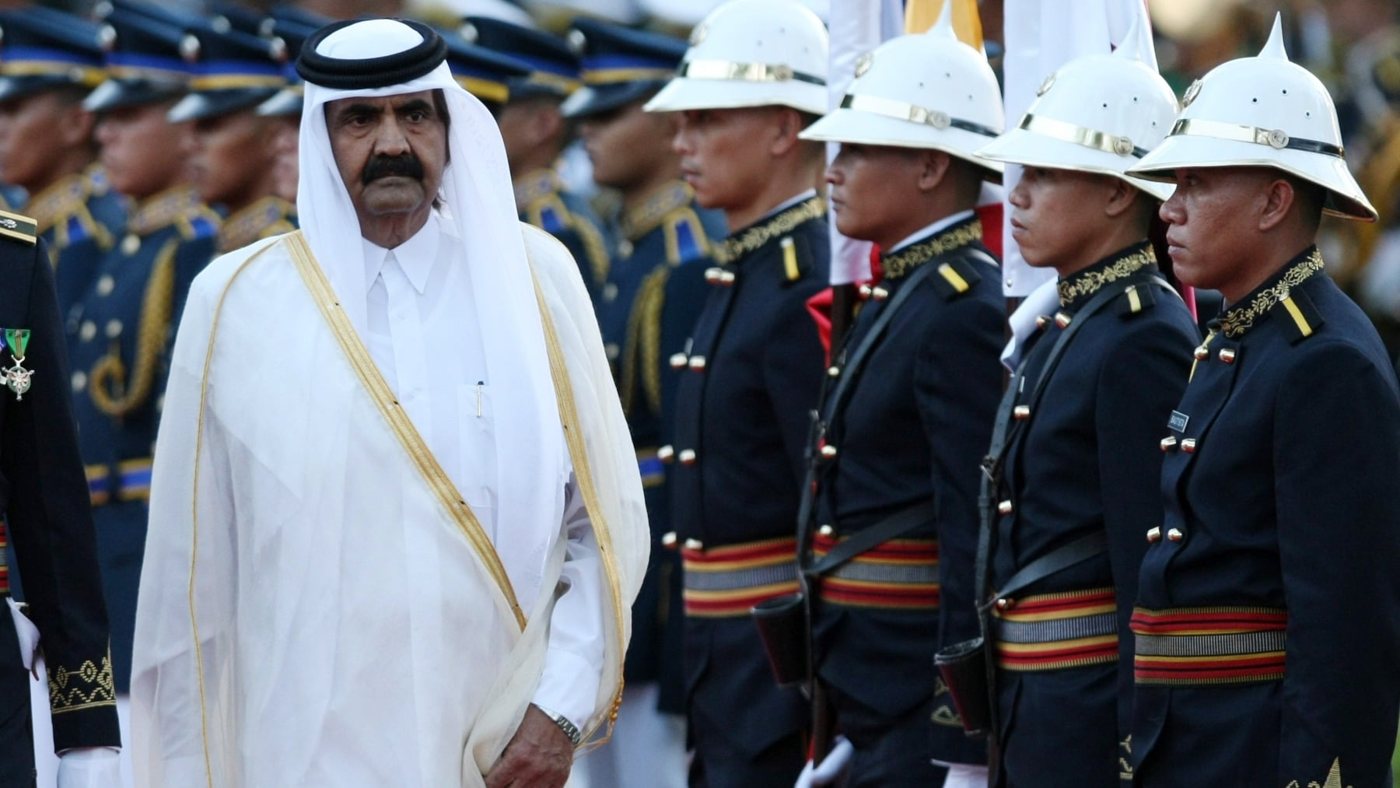
Hamad bin Khalifa Al Thani, the former emir of Qatar who transformed the small Gulf emirate into a global economic and diplomatic powerhouse, has died at the age of 74. The Diwan Amiri, Qatar's official government headquarters, confirmed his death in a statement released on social media early Sunday, saying he passed away on the morning of July 12, 2026. The statement described him as «the great leader of the nation» and «the Father Emir,» reflecting the deep respect he commanded at home and abroad.
Sheikh Hamad bin Khalifa Al Thani ruled Qatar from 1995 until his voluntary abdication in 2013, a rare move in the region, when he handed power to his son, Tamim bin Hamad Al Thani, who remains emir today. During his 18-year reign, he oversaw a sweeping modernization of the country, leveraging its vast oil and natural gas reserves to catapult Qatar onto the world stage. Under his leadership, Qatar became one of the world's largest exporters of liquefied natural gas, amassing enormous wealth that funded ambitious infrastructure projects, a sovereign wealth fund with global reach, and a foreign policy that punched far above the country's size.
One of his most enduring legacies is the founding of Al Jazeera, the satellite news network that revolutionized media in the Arab world. Launched in 1996 with a generous state subsidy, Al Jazeera quickly became a household name, offering uncensored news and debate that challenged authoritarian regimes across the Middle East. Its coverage of the 2003 Iraq war drew both praise for its on-the-ground reporting and sharp criticism from the United States, which accused it of broadcasting propaganda. Despite the controversies, Al Jazeera cemented Qatar's role as a media powerhouse and gave the small state an outsized voice in global affairs.
Sheikh Hamad's ambition extended beyond energy and media. He pursued an activist foreign policy, positioning Qatar as a mediator in regional conflicts, a host for U.S. military bases, and a patron of Islamist movements such as the Muslim Brotherhood. This approach often put Doha at odds with its neighbors, particularly Saudi Arabia and the United Arab Emirates, but it also made Qatar an indispensable interlocutor in crises from Lebanon to Sudan. His reign saw the establishment of the Qatar Investment Authority, which now holds stakes in some of the world's most recognizable brands, including Harrods, the Shard in London, and Volkswagen.
His last major public appearance on the global stage came during the 2022 FIFA World Cup, the first to be held in the Middle East. The tournament was mired in controversy from the start, with critics condemning Qatar's human rights record, treatment of migrant workers, and laws against homosexuality. Several international artists, including Rod Stewart, Dua Lipa, and Shakira, declined to perform at the event, citing these concerns. Yet for Qatar, the World Cup was a crowning achievement, a symbol of its rise from a sleepy pearl-diving backwater to a hub of luxury and influence. Sheikh Hamad received a standing ovation during the opening ceremony, a tribute to the man who had spent decades projecting Qatar's image abroad.
Throughout his rule and after, Sheikh Hamad was rarely seen without his wife, Sheikha Mozah bint Nasser, who became a global icon in her own right. Known for her impeccable style and sharp intellect, Sheikha Mozah transcended the traditional role of a consort, building a network of relationships with world leaders, business magnates, and European royalty. She championed education and women's rights, founding the Qatar Foundation and Education City, a campus that hosts branches of top Western universities. Her fashion-forward appearances at international events made her a fixture in style magazines, while her diplomatic work helped soften Qatar's image in the West. She also paved the way for other Gulf women to take on prominent public roles.
Sheikh Hamad's death marks the end of an era for Qatar. He is widely credited with transforming a small, resource-rich state into a global player with influence far beyond its borders. His vision turned Doha into a city of gleaming skyscrapers, world-class museums, and a major aviation hub. He also navigated the delicate balance of maintaining close ties with the United States, hosting the largest U.S. military base in the region at Al Udeid, while also engaging with Iran and other adversaries of Washington. His legacy, however, is not without controversy. Critics point to Qatar's support for Islamist groups, its opaque governance, and the labor abuses that marred the World Cup preparations. But for many Qataris and observers, he remains the architect of their country's modern identity.
As Qatar mourns, the focus now shifts to Emir Tamim bin Hamad Al Thani, who has continued his father's policies of assertive diplomacy and economic diversification. The transition of power in 2013 was smooth, a testament to the stability Sheikh Hamad built. His death at 74, while relatively young, comes at a time when Qatar faces new challenges, including the aftermath of the World Cup, regional rivalries, and the global energy transition. Yet the foundation he laid — a wealthy, confident, and internationally connected state — is likely to endure. The Diwan Amiri has announced a period of mourning, and world leaders are expected to pay their respects in the coming days.
79