Iran Offers Seven-Day Plan for Strait of Hormuz as US Talks Continue
Tehran has proposed reopening the Strait of Hormuz within a week in exchange for the lifting of the US naval blockade and oil sanctions, but President Trump has reportedly rejected the offer, according to unnamed US officials.
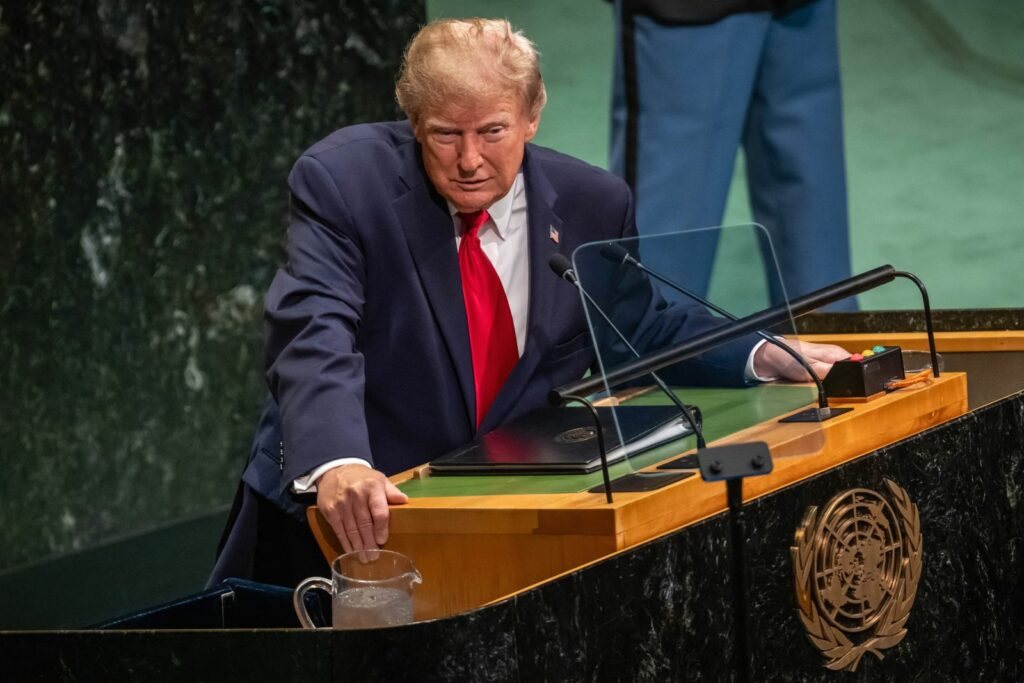
Iran has presented a proposal to reopen the Strait of Hormuz within seven days in exchange for the lifting of the US naval blockade and oil sanctions, according to a plan outlined by Iranian Foreign Minister Abbas Araghchi during the United Nations General Assembly in New York. The initiative was conveyed to the American side through intermediaries in Qatar, according to information cited by The Independent.
The Iranian plan calls for the reopening of the strategic waterway and the resumption of negotiations over Tehran's nuclear program. In return, Iran is demanding that the United States lift its naval blockade, abandon oil sanctions, and respect a ceasefire that would include Lebanon. Araghchi stated that if the conditions are accepted, a seven-day period would begin, at the end of which navigation through the strait could return to normal.
Reuters had previously reported that Iran was prepared to reopen the strategic maritime route within a week if Washington reduced military pressure and lifted the blockade. The proposal had been transmitted to the US through intermediaries, and the Iranian delegation that traveled to New York had a mandate for diplomatic negotiations.
The situation remains unclear regarding Washington's official response. The Independent cites The Wall Street Journal, which in turn invokes unnamed US officials, according to whom Donald Trump has rejected the offer. The American president is said to be skeptical that Iran will honor its commitments and has told associates that he considers a new bombing campaign likely. According to the same account, Trump expects a possible resumption of hostilities after the US midterm elections in November. The information is attributed to anonymously cited officials and does not represent, in the provided material, a public announcement by the American president.
At the same time, a US official cited by Reuters described the talks conducted through intermediaries as «positive and constructive.» Trump has maintained pressure on Tehran. The cautious stance toward a new agreement fits the public line recently adopted by Trump. In his speech at the UN General Assembly, the US president reiterated that Washington will not accept Iran obtaining a nuclear weapon. Reuters reported on September 22 that Trump had not at that time shown interest in immediately resuming negotiations, despite signals sent by Tehran, while Secretary of State Marco Rubio indicated a willingness for dialogue.
The stakes go beyond relations between Washington and Tehran. The Strait of Hormuz is one of the most important maritime routes for global energy transport, and disruption of traffic through this area has direct implications for international oil supply and prices. For now, Iran is awaiting an official response to the proposal presented in New York, while messages coming from Washington simultaneously indicate continued contacts through intermediaries and the maintenance of strong pressure on Tehran.
6