Iranian Revolutionary Guards Claim Drone Strike Destroyed US Radar in Kuwait
Iran's Islamic Revolutionary Guard Corps claims its forces destroyed a US early warning radar system in Kuwait with a drone strike, while the United States continues airstrikes on Iran for the ninth consecutive night.
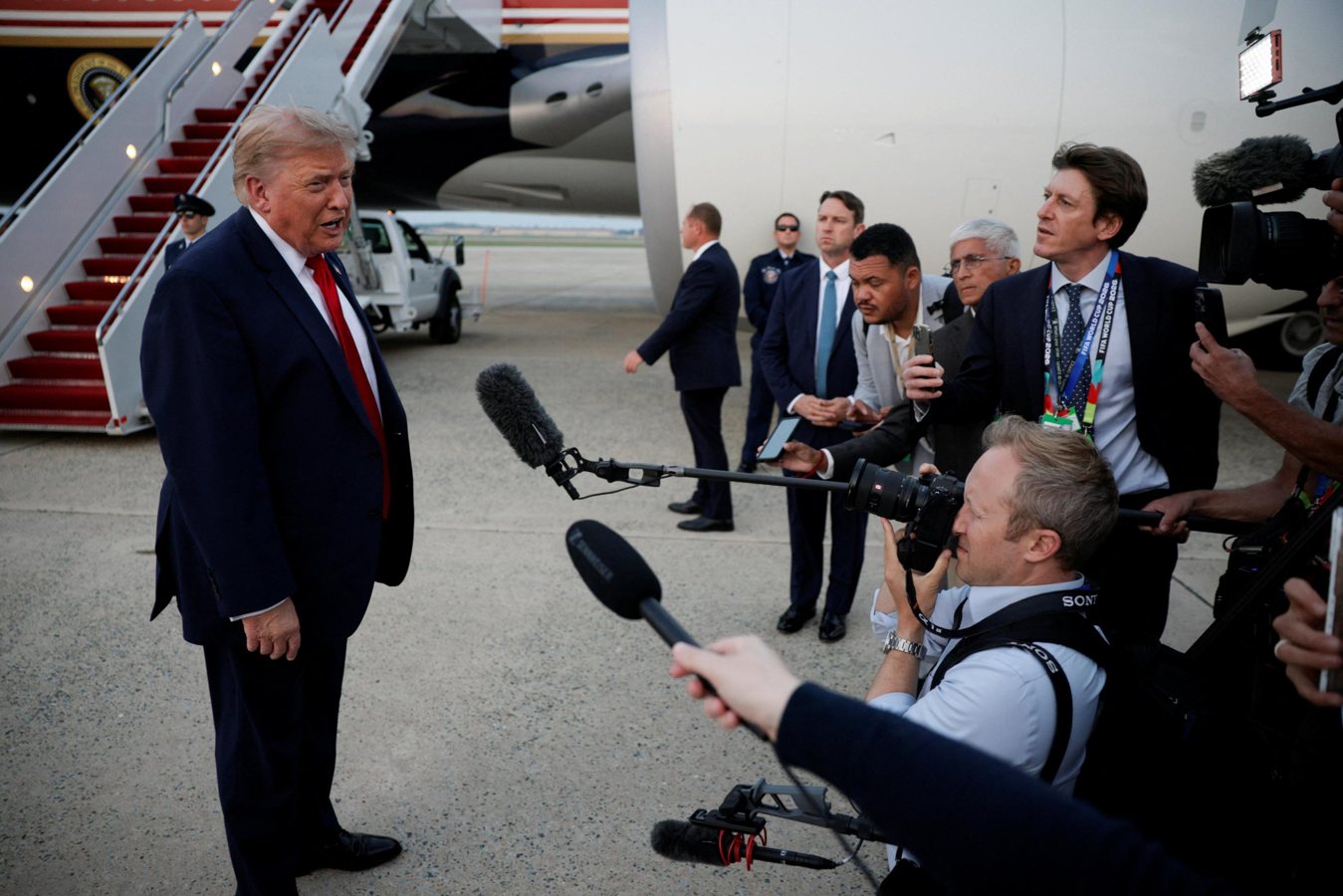
Iran's Islamic Revolutionary Guard Corps (IRGC) has claimed responsibility for a drone strike that it says completely destroyed an American early warning radar system in Kuwait. The announcement, made by the ideological army of Tehran, marks a significant escalation in the ongoing conflict between Iran and the United States, which has seen the US conduct airstrikes on Iranian targets for the ninth consecutive night.
The IRGC stated that its forces successfully targeted and obliterated the US radar installation in a precision drone attack. While the claim has not been independently verified, it underscores the expanding scope of hostilities in the Middle East, where both sides have engaged in increasingly bold military operations. The United States has not yet officially commented on the alleged strike on its assets in Kuwait, a key ally in the region that hosts American military personnel and equipment.
Meanwhile, the US military has continued its bombing campaign against Iran, now entering its ninth straight night. These airstrikes are part of a broader strategy to degrade Iranian military capabilities and retaliate for previous attacks on American forces. The sustained air campaign has drawn international attention, with concerns mounting over the humanitarian impact on Iranian civilians and the potential for a wider regional war.
The conflict between the US and Iran has intensified dramatically in recent weeks, following a series of tit-for-tat strikes. The US airstrikes were initiated after Iranian-backed militias killed American soldiers in the region, prompting President Donald Trump to authorize a robust military response. Trump has publicly stated that the US is hitting Iran «very hard» to avenge the deaths of American troops, signaling a no-holds-barred approach to the confrontation.
The IRGC's claim of a drone strike on US forces in Kuwait, if confirmed, would represent a direct attack on a US ally and a significant broadening of the battlefield. Kuwait, a small but strategically important Gulf state, hosts Camp Arifjan, a major US military base, as well as other facilities used for logistics and operations across the region. An attack on US assets there could force Washington to reassess its force posture and potentially escalate its response.
Regional analysts have warned that the conflict risks spiraling out of control, drawing in other nations and destabilizing an already volatile area. The US has been careful to frame its airstrikes as defensive and retaliatory, while Iran portrays its actions as resistance against American aggression. The IRGC, a powerful faction within Iran's military structure, has been at the forefront of these operations, using drones and missiles to strike at what it calls American interests.
The international community has called for restraint, but diplomatic efforts have so far failed to de-escalate the situation. The United Nations has urged both sides to cease hostilities and return to negotiations, but the cycle of violence shows no signs of abating. The US has also imposed new sanctions on Iranian entities, while Iran has threatened to disrupt shipping in the Strait of Hormuz, a critical chokepoint for global oil supplies.
As the conflict enters its second week, the human toll continues to rise. Reports from Iran indicate significant casualties from the US airstrikes, though exact numbers remain unclear due to restricted access for journalists. The IRGC's latest claim adds a new layer of complexity, as it suggests that Iran is willing and able to strike US forces in allied nations, not just within its own borders or in proxy theaters like Syria and Iraq.
The situation remains fluid, with both sides showing no willingness to back down. The US has reinforced its naval presence in the Persian Gulf, while Iran has conducted military exercises to demonstrate its readiness. The coming days will be critical in determining whether the conflict can be contained or whether it will escalate into a full-scale war with far-reaching consequences for the Middle East and beyond.
65