Italy Threatens Schengen Suspension With Spain Over Ceuta Migration Crisis
Spain summoned the Italian ambassador after Prime Minister Giorgia Meloni suggested suspending the Schengen free-movement agreement following a surge in migrant arrivals in the Spanish enclave of Ceuta. Foreign Minister José Manuel Albares condemned the remarks as inappropriate and called for European solidarity.
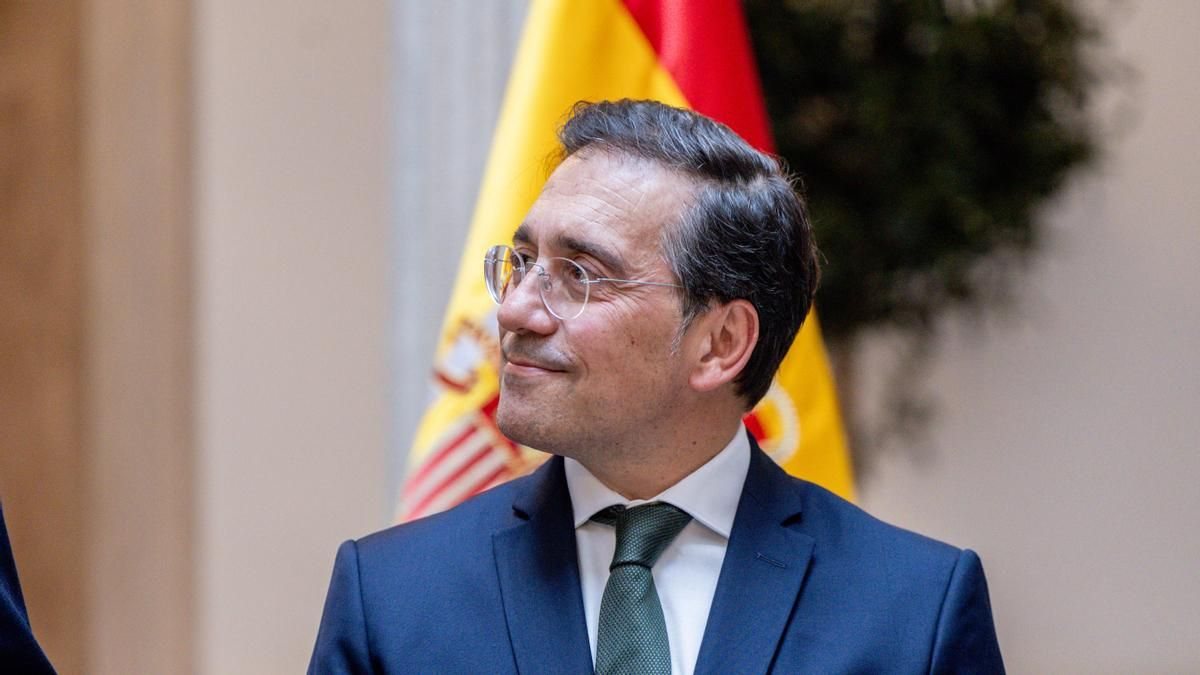
Spain has summoned the Italian ambassador for consultations after Italy’s Prime Minister Giorgia Meloni publicly floated the idea of suspending the Schengen free-movement agreement with Spain. The diplomatic escalation follows a sharp increase in attempted migrant crossings into the Spanish enclave of Ceuta, where thousands of people tried to enter from Morocco this week.
Spanish Foreign Minister José Manuel Albares announced the ambassador’s recall on Thursday, calling the Italian government’s stance “improper” and accusing Rome of resorting to “partisan demagoguery” instead of showing European solidarity. In a social media post, Albares responded directly to a message from his Italian counterpart, Antonio Tajani, who had linked the Ceuta events to Spain’s decision to grant citizenship to over 500,000 irregular migrants living in the country.
“This message is inappropriate from the foreign minister of a partner country from which we expect European solidarity, not partisan demagoguery,” Albares wrote. He firmly denied Tajani’s suggestion that the regularization had triggered the current crisis. “What happened today is linked to a court ruling, not to what the tweet claims,” he added, referring to a recent Supreme Court judgment that declared maritime pushbacks illegal.
The situation in Ceuta escalated dramatically on Thursday, with hundreds of people, mostly young Moroccans and other North Africans, attempting to cross into the Spanish territory by swimming around the Tarajal breakwater or climbing border fences. Witnesses described a relentless wave of arrivals that overwhelmed local reception facilities. In response, the Spanish government deployed military personnel to reinforce border security in the enclave.
Human rights organisations have rejected any suggestion that the Supreme Court ruling created a “pull effect”. Sur Acoge, a Spanish migrant support group, stated that “the evolution of events, with both maritime and land entry attempts, points to a much more complex reality” than a simple cause-and-effect relationship. The group stressed the need for a comprehensive migration policy rather than political point-scoring.
Italy’s Prime Minister Meloni confirmed that her government was “considering extraordinary measures” to protect Italian borders, including the temporary suspension of the Schengen agreement with Spain. “The images from Ceuta are shocking and show, once again, that uncontrolled illegal immigration poses a real threat to the security of European borders,” she wrote on social media. Meloni said she had convened a meeting with Interior Minister Matteo Piantedosi and that after those discussions, Italy would be ready to act. “We will not yield an inch on illegal immigration,” she declared, vowing to protect borders, stop human traffickers, and ensure effective repatriations.
The White House also weighed in, with Deputy Press Secretary Anna Kelly telling Fox News that the Trump administration had long warned Europe about the consequences of “far-left globalist policies” that facilitate mass migration. “Spain and other countries that have adopted this destructive philosophy should correct course immediately or risk their own disappearance,” Kelly said. The US statement echoed the criticisms from Rome, further internationalising the dispute.
Under EU rules, Schengen suspensions are allowed only in exceptional circumstances and require prior notification, but Meloni’s threat marks a significant escalation in intra-European tensions over migration policy. The affair has placed the issue of border security back at the centre of political debate in both Italy and Spain, and may complicate efforts to reach a common European migration framework.